.png)
 Japanese
  English
  Spanish
  Korean
  Russian
  Chinese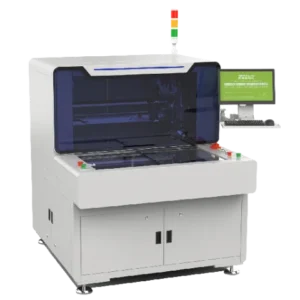






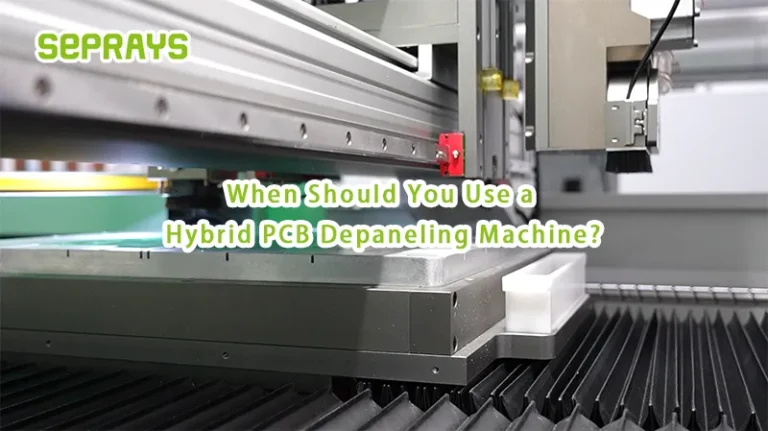
When Should You Use a Hybrid PCB Depaneling Machine?
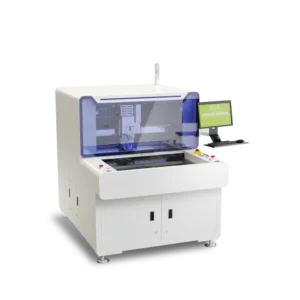
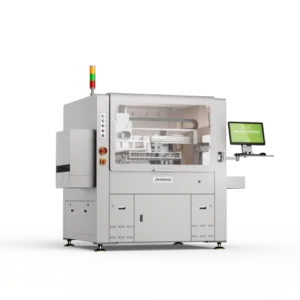
When should you use a hybrid PCB depaneling machine? This question usually comes up when a single method—router or saw blade—no longer fits all your boards. Router or saw blade?What if you actually need both in one process? That’s where hybrid depaneling starts to make sense. 🔍 Why One Cutting Method Is No Longer Enough In many SMT lines today, PCB designs are no longer uniform. You may be dealing with: One method works well for part of the board.But not all of it. That mismatch creates problems: ⚙️ What a Hybrid Depaneling Machine Actually Solves A hybrid PCB depaneling machine combines: In one system. Instead of forcing one method to do everything,you assign the right method to the right
Why Wrong Depaneling Methods Increase Your Production Cost
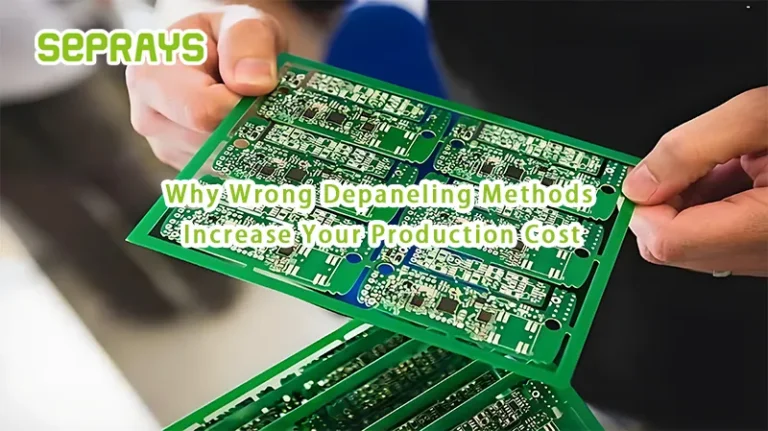
Why wrong depaneling methods increase your production cost is something many factories only realize after problems start appearing on the line. At first, everything seems fine. The boards are cut. Output looks normal. But over time, hidden costs begin to surface. Not from the machine itself.From the method behind it. 🔍 The Hidden Nature of Depaneling Costs Depaneling is often treated as a simple final step. Cut the board. Move on. But in reality, it affects: The wrong method doesn’t always fail immediately. It fails quietly. ⚙️ Where the Extra Costs Actually Come From Most cost increases are indirect. They appear in areas like: These are harder to measure. But they accumulate quickly. 💥 Common Cost Triggers Caused by Wrong
Common Mistakes When Choosing a PCB Depaneling Machine
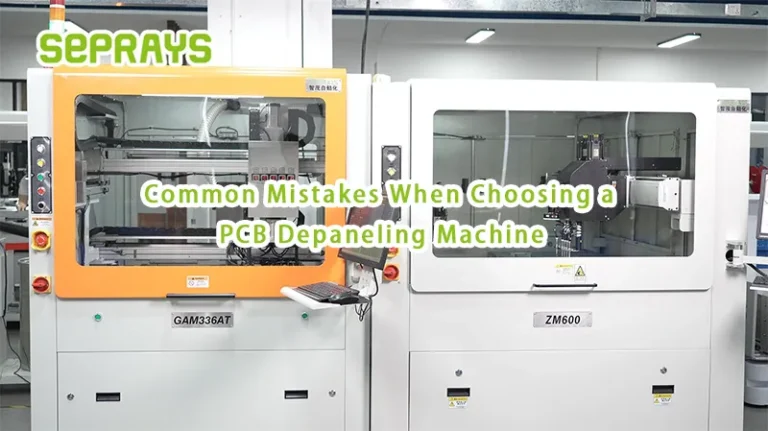
Common mistakes when choosing a PCB depaneling machine often don’t show up during evaluation. They appear later—on the production floor, during peak orders, or worse, in product failures. At that point, switching is expensive.And sometimes too late. 🔍 Why These Mistakes Keep Happening Most decisions are made under pressure: So teams focus on what is easy to compare: But real performance depends on something else. Application fit. ⚙️ Mistake #1 — Choosing Based on Price Alone This is the most common—and most costly. Low-cost machines may seem attractive, but often lead to: Counterintuitive insight:The cheapest machine can become the most expensive one over time. Because cost is not just the purchase price.It’s the total cost of ownership. ⚡ Mistake #2
How to Choose a PCB Depaneling Supplier for Your Factory
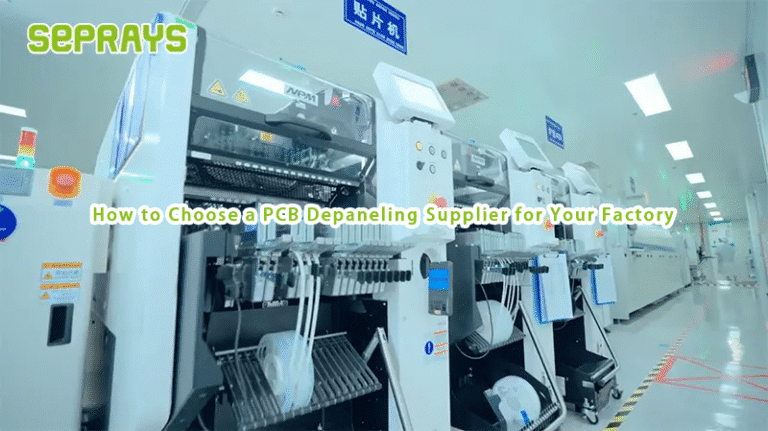
How to choose a PCB depaneling supplier for your factory is not just a procurement task. It’s a long-term production decision. The wrong choice doesn’t only affect cutting quality—it impacts yield, efficiency, and even delivery schedules. Many factories realize this too late.Usually, after problems start showing up on the line. 🔍 Why Supplier Choice Matters More Than You Think At first glance, most depaneling machines look similar. But in real production, differences appear quickly: The supplier is not just selling equipment.They are shaping your process capability. ⚙️ Start from Your Production Reality (Not the Machine) Before comparing suppliers, define your own conditions: Without this, even the best machine may not fit. A common mistake: Choosing based on specs, not application.


