.png)
 Japanese
  English
  Spanish
  Korean
  Russian
  Chinese
 移動とともに、業績|Seprays2026チームビルディングおよび2025年に忘年会が開催
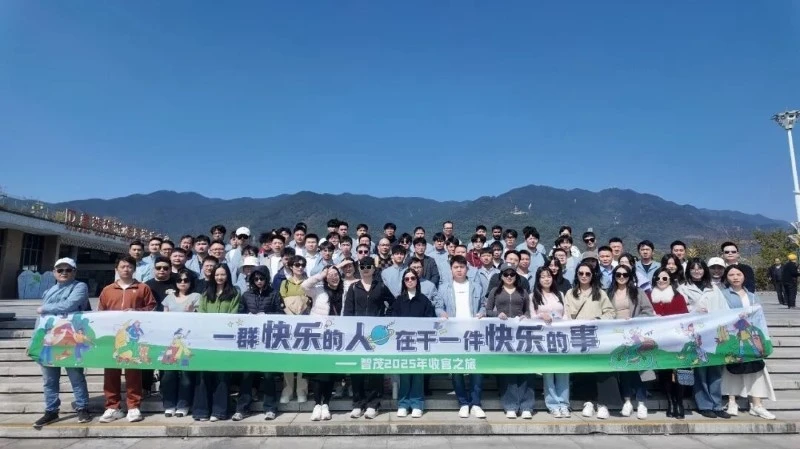
From January 31 to February 1, 2026, Seprays colleagues stepped away from daily routines and into the mountains, rivers, and—most importantly—into each other’s company. This two-day journey was more than a team-building activity or an annual meeting.It was a reflection on the past year, a shared experience as a team, and a quiet preparation for the year ahead. 🚍 Journey to Zhaoqing | Over a Hundred Colleagues, One Shared Departure On the morning of January 31, more than one hundred Seprays employees departed from Dongguan by bus, officially beginning our “Team Building + Annual Meeting” trip. By noon, we arrived in Zhaoqing. After lunch and a short break, everyone headed […]
はインライン基板のルーター depaneling原作に忠実(キャラらしさ)
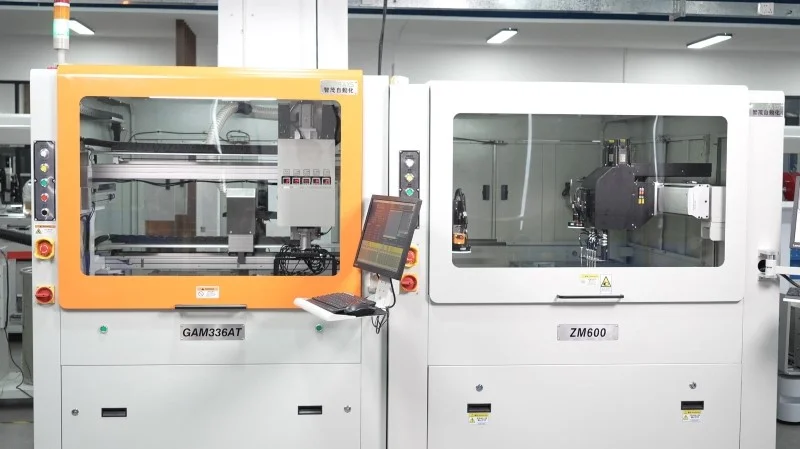
For some factories, it clearly is. For others, it becomes an expensive upgrade that never fully pays back. The real value depends less on the machine itself and more on how your SMT line actually runs day to day. This article looks at inline PCB router depaneling from a production-floor perspective—what problems it really solves, where it struggles, and when the investment makes sense. 🧩 What “inline” really changes Inline PCB router depaneling connects directly to the SMT line. Panels move automatically from reflow or AOI into depaneling without manual loading. What changes in practice: What doesn’t change: Inline doesn’t make routing magically faster—it makes the flow smoother. ⚠️ The […]
Is saw blade PCB depaneling faster than routing?
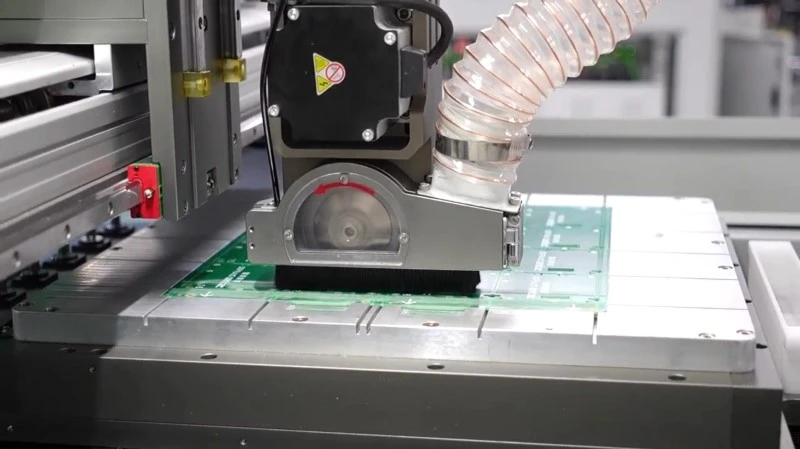
In most real production environments, yes—saw blade depaneling is usually faster, but speed alone rarely tells the full story. The better question engineers ask after a few projects is: faster for which boards, at what cost, and with what long-term risk? This article breaks the answer down from a production and reliability perspective. ⚡ Short answer first Speed matters—but only when it doesn’t compromise yield. 🧩 Where the speed difference really comes from 🔪 Cutting path length Saw blade depaneling follows straight, continuous lines. Once aligned, the blade cuts through the panel in a single motion. Routing removes material gradually, following programmed paths, which naturally takes longer. 🔄 Tool motion […]
When Should You Choose Router Depaneling Instead of V-Cut?
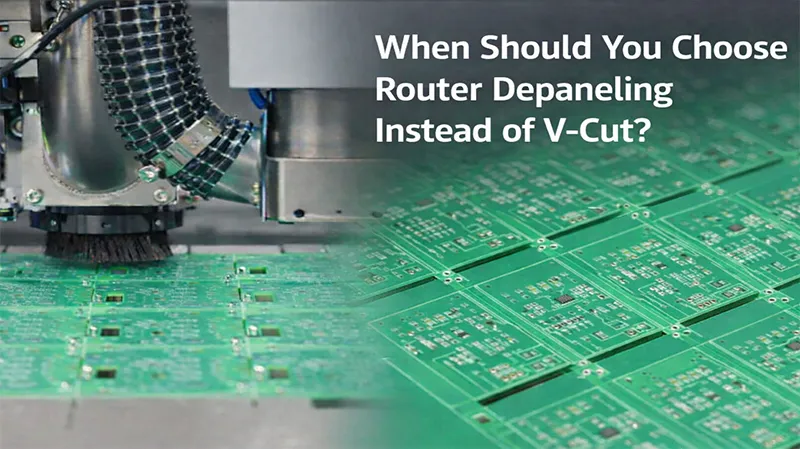
Router depaneling vs V-cut is one of the most practical decisions PCB engineers face when balancing cost, quality, and long-term reliability. The short answer is simple: choose router depaneling when mechanical stress, design flexibility, and edge quality matter more than raw speed. Below, we break this down from real production experience—not theory. 🔍 What problem are engineers really trying to solve? Most depaneling issues don’t show up at the cutting stage. They appear later as: The depaneling method often becomes the hidden root cause. ⚙️ When V-cut starts to struggle ⚠️ High mechanical stress V-cut relies on the bending force to separate boards. This force travels through the entire PCB, […]
Safety issues to watch in laser PCB depaneling

Laser PCB depaneling is increasingly used for low-stress, high-precision applications. However, choosing laser technology does not automatically mean “risk-free.” Based on real production experience, most problems come not from the laser itself, but from overlooked safety details in setup, operation, and process design. This checklist-style article highlights where teams often get it wrong—and how to avoid those pitfalls. ⚠️ Why Safety Is Often Underestimated in Laser Depaneling Laser depaneling is a non-contact process, so it feels safer than routing or sawing. No blades, no vibration, no mechanical force.That perception can lead to relaxed standards, especially during early deployment. Common pain points engineers report include: Safety in laser depaneling is not […]
Which PCB depaneling method causes the least stress?
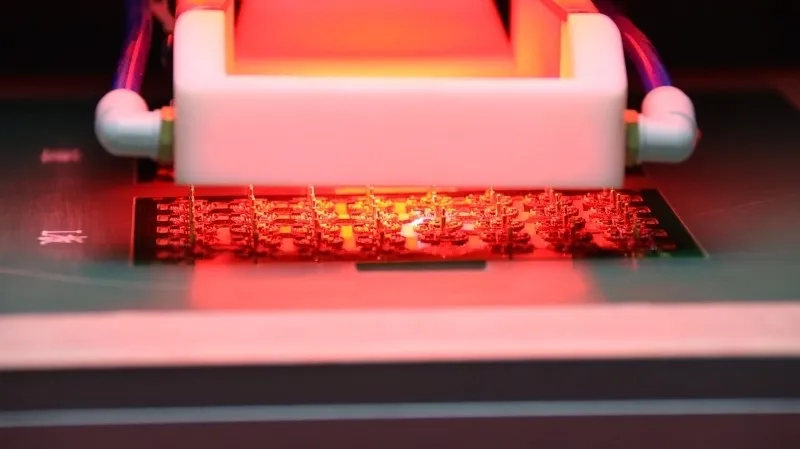
This question comes up whenever PCBA reliability, fine-pitch components, or thin substrates are involved. The short, experience-based answer is: laser depaneling introduces the lowest mechanical stress, but it is not always the default choice. Below is a clear comparison to help engineers make a practical decision. 🧠 Why Depaneling Stress Matters More Than You Think Mechanical stress during depaneling is a hidden risk. It may not show up during visual inspection, but it often leads to: As component density increases and boards become thinner, depaneling stress becomes a design constraint, not a secondary process issue. ⚙️ Common PCB Depaneling Methods at a Glance In practice, manufacturers mainly choose between four […]
When should I choose router depaneling over V-cut?
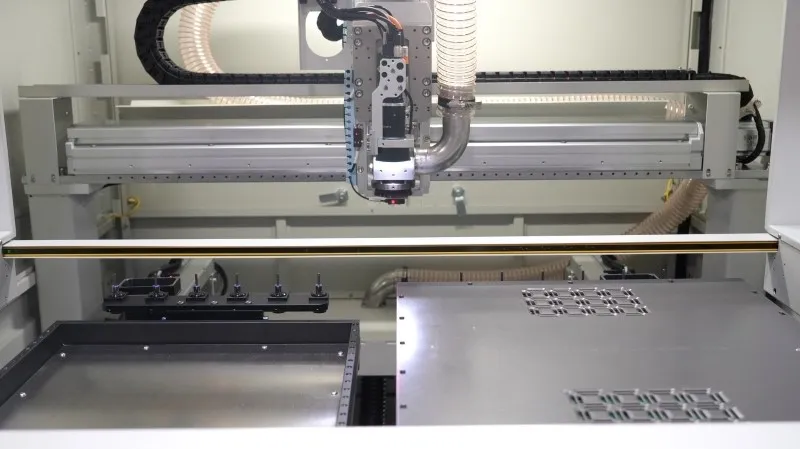
The choice between router depaneling and V-cut largely depends on the design and requirements of your PCBA. While both are popular methods for separating boards, each method offers distinct advantages depending on factors like board thickness, component sensitivity, and precision needs. This article will explore when router depaneling is the better choice over V-cut, with a focus on practical considerations and real-world examples. ⚙️ What are the differences between router depaneling and V-cut? Before we discuss when router depaneling is preferred, let’s compare both methods briefly. V-Cut Depaneling: Router Depaneling: 🔍 When should you choose router depaneling over V-cut? Router depaneling is the preferred choice in the following situations: 1. […]
When should you choose laser depaneling over routing?
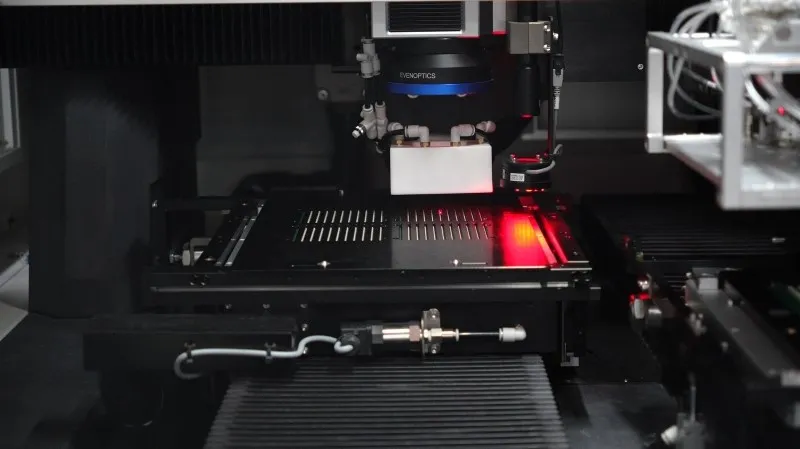
This is a common question for PCB and PCBA engineers facing tighter tolerances, denser layouts, and rising cost pressure. The short answer: choose laser depaneling when mechanical stress, edge quality, or design freedom becomes a limiting factor. Below is a practical, experience-based breakdown to help you decide. 🔍 Understanding the Core Difference Routing (milling) relies on physical contact between a rotating tool and the PCB. Laser depaneling, by contrast, uses a focused laser beam to separate boards without contact.The real difference shows up in stress, precision, and design flexibility—not just cutting speed. ⚠️ Key Pain Points with Traditional Routing Engineers often start questioning routing when they encounter these issues: Routing […]
Is laser depaneling suitable for flexible PCBs?
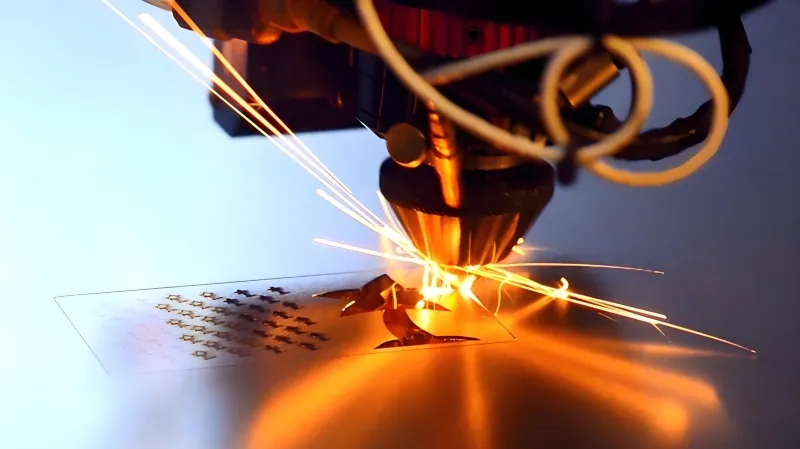
Laser depaneling for flexible PCBs is increasingly popular in high-density electronics. Flexible PCBs are thin, stress-sensitive, and often densely populated. Mechanical methods like routing or V-cut can introduce micro-cracks, fiber pull-out, or board warping. Laser depaneling removes these risks, making it highly suitable when applied correctly. This article shares practical insights, production challenges, and cost considerations, with examples from EMS and OEM lines, including selective use of Seprays-supported laser depaneling. 🔍 Why Flexible PCBs Need Special Care Flexible PCBs bend and twist easily. Even minor mechanical stress during depaneling can lead to: For high-value products—automotive sensors, wearables, medical electronics—avoiding stress is critical. Laser depaneling eliminates mechanical contact, directly addressing these […]
What PCB materials are suitable for laser depaneling?
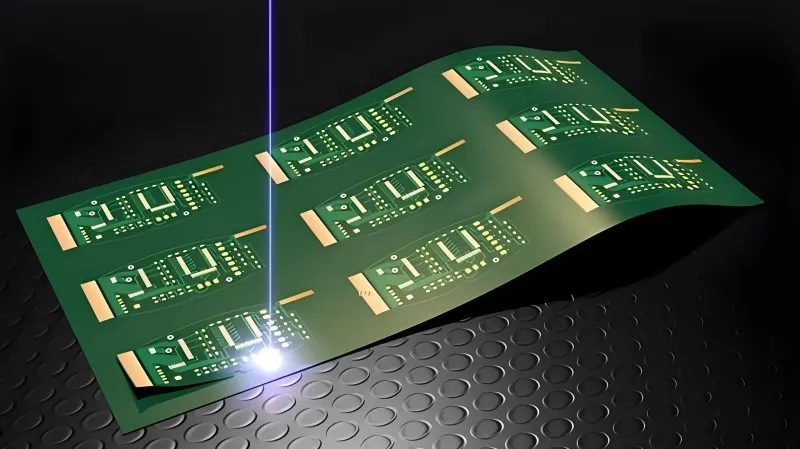
PCB materials suitable for laser depaneling are not unlimited, and laser is not always the right answer. In real SMT production, laser depaneling performs extremely well for specific materials and use cases, while being less effective or inefficient for others. So instead of asking “Can laser cut this PCB?”, engineers usually ask a more practical question:“Is laser depaneling the most stable and cost-effective option for this material?” 🔍 The Short Answer First Laser depaneling is best suited for PCB materials that are: If your PCB falls into that category, a laser often solves problems that routing or V-cut cannot. ⚙️ PCB Materials That Work Well with Laser Depaneling From real […]


