.png)
 Japanese
  English
  Spanish
  Korean
  Russian
  Chinese
 Should You Use Laser or Router Depaneling for High-Density PCBs?
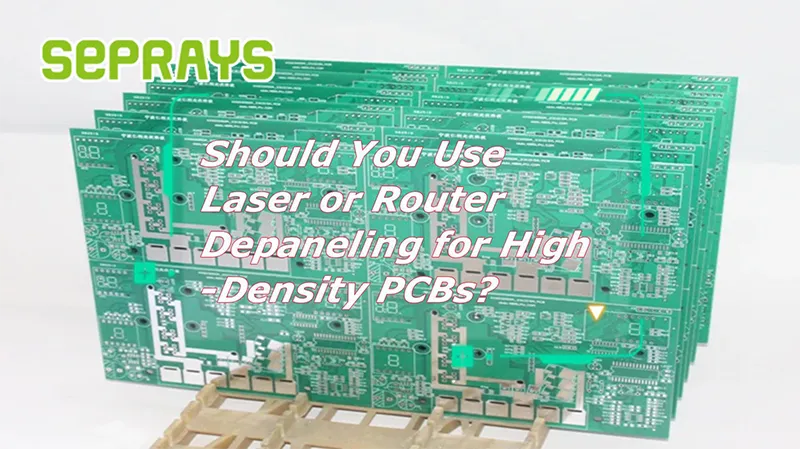
Laser or router depaneling for high-density PCBs? This question appears frequently when engineers design compact boards with tight component spacing. As PCBs become smaller and more complex, choosing the right depaneling method directly affects product reliability, yield rate, and long-term manufacturing cost. Many teams initially choose based on equipment price alone. In practice, the real decision often comes down to board structure, component distance to edge, stress tolerance, and production scale. 🔍 The Core Question Behind Depaneling Choice High-density PCBs usually place components close to the board edge. This makes mechanical stress during separation a critical concern. Two common solutions exist: Both methods are widely used in electronics manufacturing. The […]
Inline or Offline Laser PCB Depaneling — Which to Choose?

This is a common question when manufacturers start using laser depaneling seriously, not just as a lab tool. Both options work. The real issue is where they fit best in your production flow. This article shares practical experience from real SMT lines, not ideal diagrams. 🔍 What “Inline” and “Offline” Really Mean Before comparing, it helps to be clear. Inline laser depanelingThe depaneling system is connected directly to the SMT line. Panels move automatically from upstream processes and continue downstream without manual handling. Offline laser depanelingPanels are loaded manually or via a standalone loader. The machine works independently of the SMT line. The laser technology may be similar. The production […]
When Is V-Cut PCB Depaneling Not Recommended?
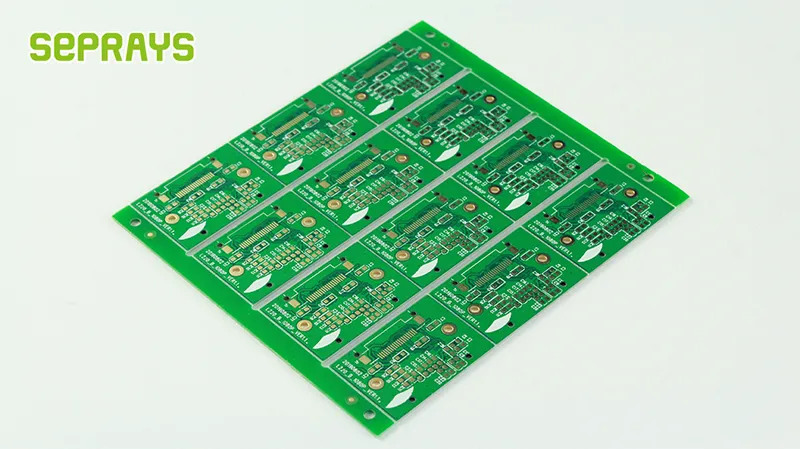
V-cut depaneling is fast, simple, and cost-effective—but it is not a universal solution. In real SMT production, many quality issues appear not because V-cut is “bad,” but because it is used in the wrong situations. This article focuses on where V-cut starts to fail, based on production experience rather than theory. ⚠️ The Core Limitation of V-Cut Depaneling V-cut depaneling works by applying mechanical force along a pre-scored groove.That means: When boards or components cannot tolerate that stress, V-cut becomes risky. 🧩 High-Density PCBA: A Common Problem Area V-cut is not recommended when components are placed close to the board edge. Typical risk scenarios: In these cases, depaneling stress can […]
Can PCB Milling Depaneling Be Automated?
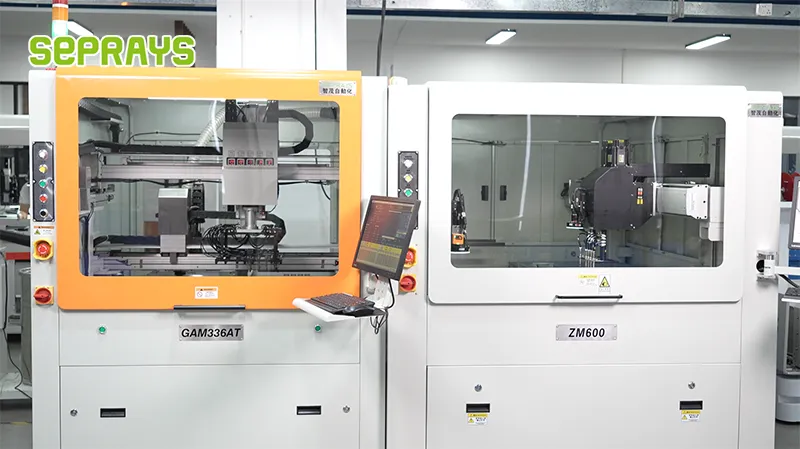
This question comes up frequently when manufacturers move from manual or semi-automatic separation toward higher throughput and more stable quality. The short answer is yes—PCB milling depaneling can be automated. The more useful answer is how far automation really goes, and when it actually pays off. 🤖 What “Automation” Means in PCB Milling Depaneling Automation does not mean just adding a conveyor. In real production, automated PCB milling depaneling usually includes: The goal is not speed alone, but repeatability and reduced human dependency. 🧩 Why Manual Milling Still Exists Many factories still rely on manual or semi-automatic milling depaneling because: Manual systems offer flexibility, but they also introduce operator-to-operator variation, […]
From Seprays Group to the World: Happy Lantern Festival and Warm Wishes for the Year Ahead

🏮 Lantern Festival The Lantern Festival marks a moment of reunion and reflection at the first full moon of the lunar year. On this special day,we eat glutinous rice balls (Tangyuan) 🥣 — a symbol of unity and completeness,and watch beautiful lanterns ✨ lighting up the night with hope and joy. At Seprays Group, we believe shared traditions help connect people across cultures and borders. May the full moon bring yousweetness, warmth, and togetherness,and may the year ahead be filled with clarity, progress, and success. 🌕 Happy Lantern Festival! WhatsApp: +8618929266433 E-mail: sales@seprays.com
How Accurate Is PCB Saw Depaneling?
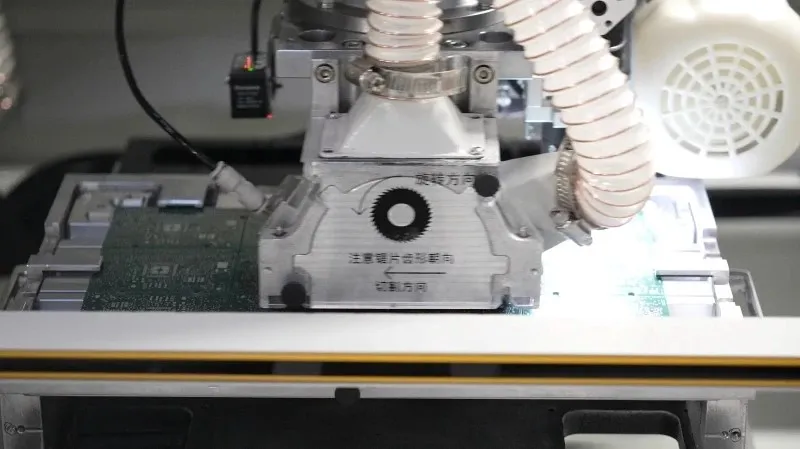
This is one of the first questions engineers ask when evaluating depaneling methods for volume production. Saw blade depaneling is widely used in SMT lines, especially for standard FR4 panels—but accuracy is often misunderstood. The short answer: PCB saw depaneling is accurate enough for many mass-production boards, but it has clear limits. Understanding those limits is what prevents quality issues later. 🧭 What “Accuracy” Really Means in Saw Depaneling Accuracy in saw depaneling is usually discussed in two ways: Repeatability is strong. Once operators set the parameters correctly, the machine delivers the same cut every time. Absolute accuracy, however, depends heavily on panel design, blade condition, and setup discipline. This […]
Does Laser PCB Depaneling Meet Mass Production Demands?
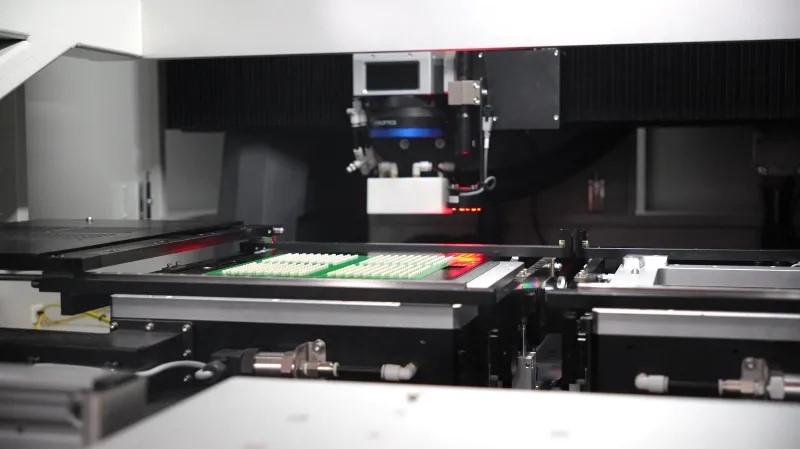
This question comes up frequently as electronics move toward higher density, thinner materials, and stricter reliability requirements. Laser depaneling is often associated with precision and flexibility—but can it really keep up with volume manufacturing? The short answer: yes, but only under the right conditions. This article looks at where laser depaneling works well in mass production, where it struggles, and how manufacturers are using it today. ⚡ Why Manufacturers Are Even Considering Laser Depaneling Laser PCB depaneling wasn’t originally developed for high-volume lines. It gained traction because traditional mechanical methods introduced stress, vibration, and design limitations. Today, the drivers are clear: For many engineers, the question isn’t about precision anymore—it’s […]
New Year, Full Speed: Seprays Is Back in Action

Glorious Resumption of Work · Embarking on a New Journey On the twelfth day of the first lunar month, February 28, 2026, Seprays Group officially resumed operations, marking the start of a new chapter in the year ahead. As we move into the new year, we remain committed to creating long-term value for our global clients through professionalism, reliability, and strong execution. Guided by clear goals and steady progress, we continue to turn plans into action and standards into results. Back in action. Ready for what’s next. WhatsApp: +8618929266433 E-mail: sales@seprays.com
は鋸刃Depaneling損傷部品?
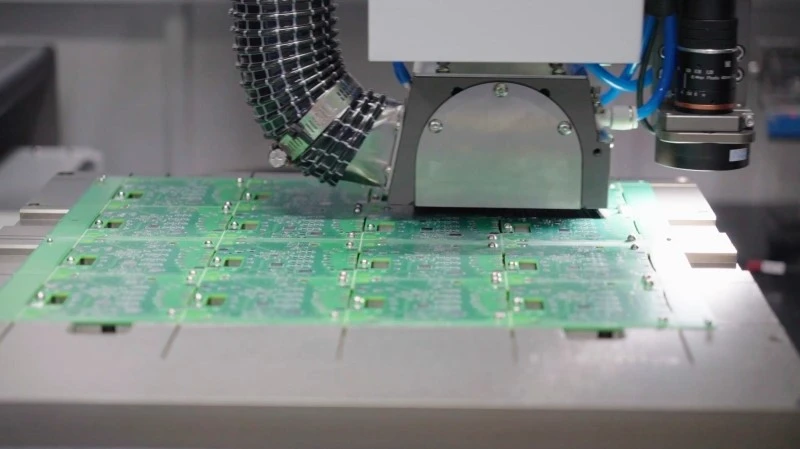
This is one of the most common questions engineers ask when evaluating depaneling methods for high-volume SMT production. The short answer is: it depends on how the process is designed, not just the cutting method itself. Saw blade depaneling can be fast and consistent, but it also introduces mechanical forces that must be controlled carefully. In this article, we share real-world observations from production lines, discuss where risks come from, and explain when saw blade depaneling is safe—and when it isn’t. ⚙️ Where Component Damage Concerns Come From Component damage rarely comes from the saw blade alone. It usually comes from stress transfer. During depaneling, stress can be introduced through: […]
Seprays|中国新年祝日程-設備の停止および保守催

2026 Chinese New Year Holiday Schedule Dear Customers and Partners, In celebration of the 2026 Spring Festival, Seprays will observe a holiday break during the following period. Holiday Schedule• February 15 – February 27, 2026• Regular operations resume on February 28, 2026 We wish you a joyful Chinese New Year and a happy Year of the Horse. Important Notice for Equipment During the Holiday To ensure equipment safety and long-term stability during the extended shutdown, please complete the following checks before the holiday. No.1* Equipment Cleaning Clean all workpieces, fixtures, electrical cabinets, and residual debris inside the machine.Wipe the external panels to keep the equipment clean and dust-free. No.2* Anti-Rust […]


