.png)
 Japanese
  English
  Spanish
  Korean
  Russian
  Chinese
 Does Laser PCB Depaneling Meet Mass Production Demands?
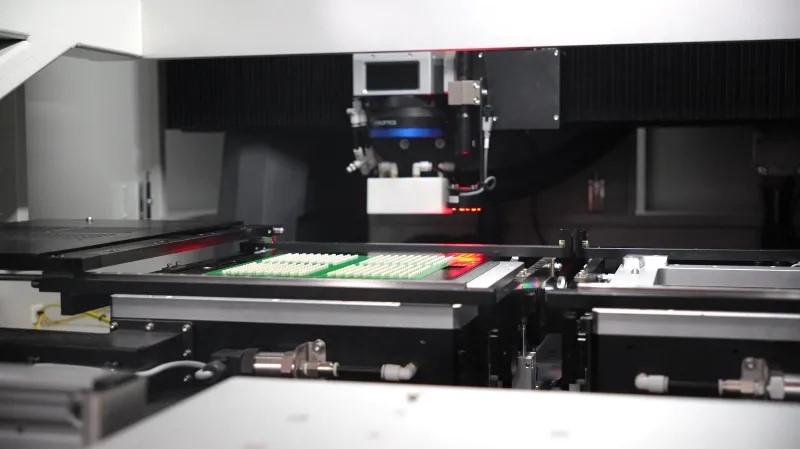
This question comes up frequently as electronics move toward higher density, thinner materials, and stricter reliability requirements. Laser depaneling is often associated with precision and flexibility—but can it really keep up with volume manufacturing? The short answer: yes, but only under the right conditions. This article looks at where laser depaneling works well in mass production, where it struggles, and how manufacturers are using it today. ⚡ Why Manufacturers Are Even Considering Laser Depaneling Laser PCB depaneling wasn’t originally developed for high-volume lines. It gained traction because traditional mechanical methods introduced stress, vibration, and design limitations. Today, the drivers are clear: For many engineers, the question isn’t about precision anymore—it’s […]
New Year, Full Speed: Seprays Is Back in Action

Glorious Resumption of Work · Embarking on a New Journey On the twelfth day of the first lunar month, February 28, 2026, Seprays Group officially resumed operations, marking the start of a new chapter in the year ahead. As we move into the new year, we remain committed to creating long-term value for our global clients through professionalism, reliability, and strong execution. Guided by clear goals and steady progress, we continue to turn plans into action and standards into results. Back in action. Ready for what’s next. WhatsApp: +8618929266433 E-mail: sales@seprays.com
は鋸刃Depaneling損傷部品?
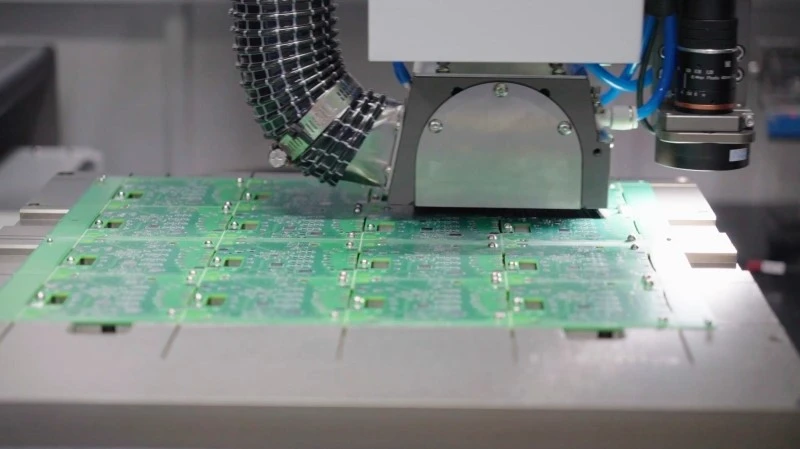
This is one of the most common questions engineers ask when evaluating depaneling methods for high-volume SMT production. The short answer is: it depends on how the process is designed, not just the cutting method itself. Saw blade depaneling can be fast and consistent, but it also introduces mechanical forces that must be controlled carefully. In this article, we share real-world observations from production lines, discuss where risks come from, and explain when saw blade depaneling is safe—and when it isn’t. ⚙️ Where Component Damage Concerns Come From Component damage rarely comes from the saw blade alone. It usually comes from stress transfer. During depaneling, stress can be introduced through: […]
Seprays|中国新年祝日程-設備の停止および保守催

2026 Chinese New Year Holiday Schedule Dear Customers and Partners, In celebration of the 2026 Spring Festival, Seprays will observe a holiday break during the following period. Holiday Schedule• February 15 – February 27, 2026• Regular operations resume on February 28, 2026 We wish you a joyful Chinese New Year and a happy Year of the Horse. Important Notice for Equipment During the Holiday To ensure equipment safety and long-term stability during the extended shutdown, please complete the following checks before the holiday. No.1* Equipment Cleaning Clean all workpieces, fixtures, electrical cabinets, and residual debris inside the machine.Wipe the external panels to keep the equipment clean and dust-free. No.2* Anti-Rust […]
移動とともに、業績|Seprays2026チームビルディングおよび2025年に忘年会が開催
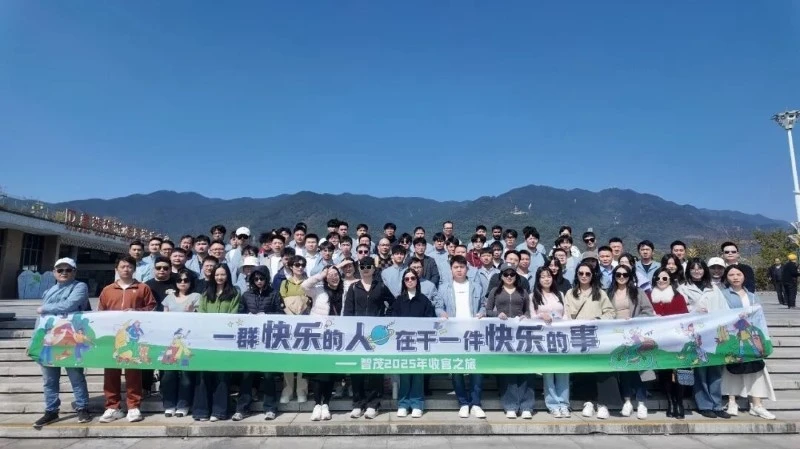
From January 31 to February 1, 2026, Seprays colleagues stepped away from daily routines and into the mountains, rivers, and—most importantly—into each other’s company. This two-day journey was more than a team-building activity or an annual meeting.It was a reflection on the past year, a shared experience as a team, and a quiet preparation for the year ahead. 🚍 Journey to Zhaoqing | Over a Hundred Colleagues, One Shared Departure On the morning of January 31, more than one hundred Seprays employees departed from Dongguan by bus, officially beginning our “Team Building + Annual Meeting” trip. By noon, we arrived in Zhaoqing. After lunch and a short break, everyone headed […]
はインライン基板のルーター depaneling原作に忠実(キャラらしさ)
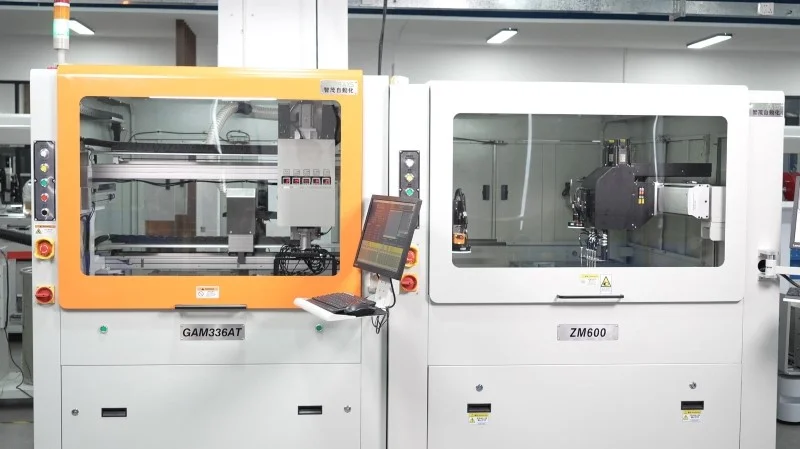
For some factories, it clearly is. For others, it becomes an expensive upgrade that never fully pays back. The real value depends less on the machine itself and more on how your SMT line actually runs day to day. This article looks at inline PCB router depaneling from a production-floor perspective—what problems it really solves, where it struggles, and when the investment makes sense. 🧩 What “inline” really changes Inline PCB router depaneling connects directly to the SMT line. Panels move automatically from reflow or AOI into depaneling without manual loading. What changes in practice: What doesn’t change: Inline doesn’t make routing magically faster—it makes the flow smoother. ⚠️ The […]
Is saw blade PCB depaneling faster than routing?
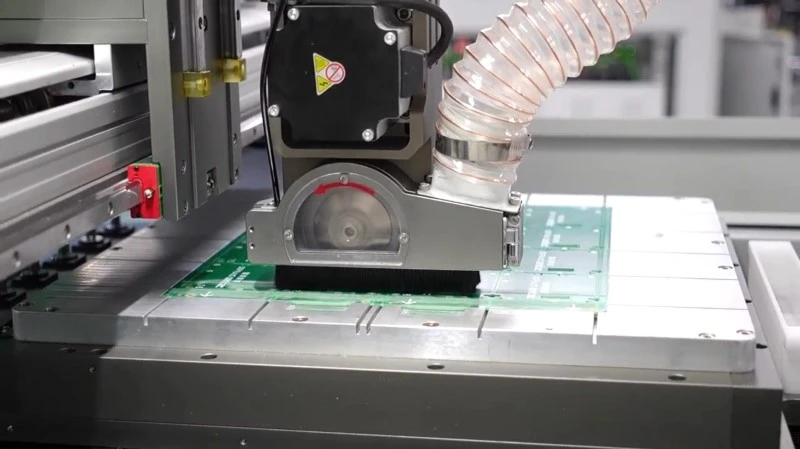
In most real production environments, yes—saw blade depaneling is usually faster, but speed alone rarely tells the full story. The better question engineers ask after a few projects is: faster for which boards, at what cost, and with what long-term risk? This article breaks the answer down from a production and reliability perspective. ⚡ Short answer first Speed matters—but only when it doesn’t compromise yield. 🧩 Where the speed difference really comes from 🔪 Cutting path length Saw blade depaneling follows straight, continuous lines. Once aligned, the blade cuts through the panel in a single motion. Routing removes material gradually, following programmed paths, which naturally takes longer. 🔄 Tool motion […]
When Should You Choose Router Depaneling Instead of V-Cut?
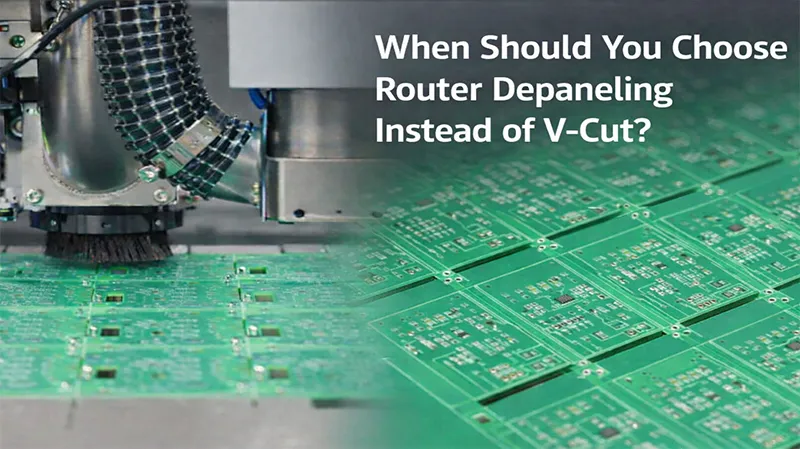
Router depaneling vs V-cut is one of the most practical decisions PCB engineers face when balancing cost, quality, and long-term reliability. The short answer is simple: choose router depaneling when mechanical stress, design flexibility, and edge quality matter more than raw speed. Below, we break this down from real production experience—not theory. 🔍 What problem are engineers really trying to solve? Most depaneling issues don’t show up at the cutting stage. They appear later as: The depaneling method often becomes the hidden root cause. ⚙️ When V-cut starts to struggle ⚠️ High mechanical stress V-cut relies on the bending force to separate boards. This force travels through the entire PCB, […]
Safety issues to watch in laser PCB depaneling

Laser PCB depaneling is increasingly used for low-stress, high-precision applications. However, choosing laser technology does not automatically mean “risk-free.” Based on real production experience, most problems come not from the laser itself, but from overlooked safety details in setup, operation, and process design. This checklist-style article highlights where teams often get it wrong—and how to avoid those pitfalls. ⚠️ Why Safety Is Often Underestimated in Laser Depaneling Laser depaneling is a non-contact process, so it feels safer than routing or sawing. No blades, no vibration, no mechanical force.That perception can lead to relaxed standards, especially during early deployment. Common pain points engineers report include: Safety in laser depaneling is not […]
Which PCB depaneling method causes the least stress?
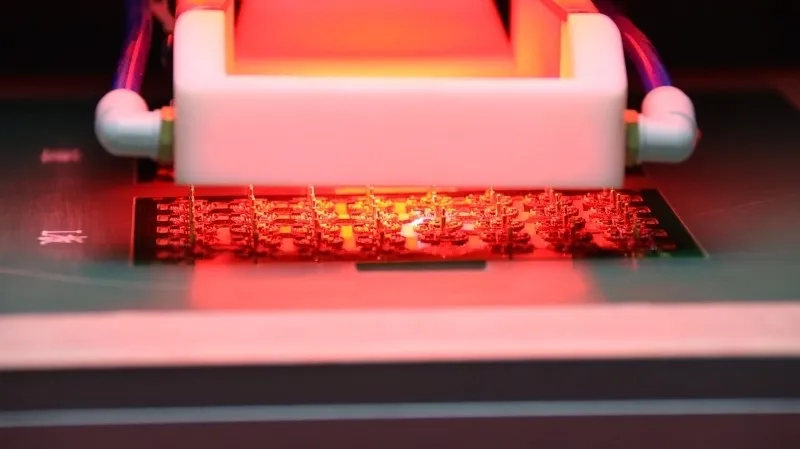
This question comes up whenever PCBA reliability, fine-pitch components, or thin substrates are involved. The short, experience-based answer is: laser depaneling introduces the lowest mechanical stress, but it is not always the default choice. Below is a clear comparison to help engineers make a practical decision. 🧠 Why Depaneling Stress Matters More Than You Think Mechanical stress during depaneling is a hidden risk. It may not show up during visual inspection, but it often leads to: As component density increases and boards become thinner, depaneling stress becomes a design constraint, not a secondary process issue. ⚙️ Common PCB Depaneling Methods at a Glance In practice, manufacturers mainly choose between four […]


