.png)
 Japanese
  English
  Spanish
  Korean
  Russian
  Chinese
 Will there be burrs after cutting the PCB with a milling cutter PCB depaneling machine?
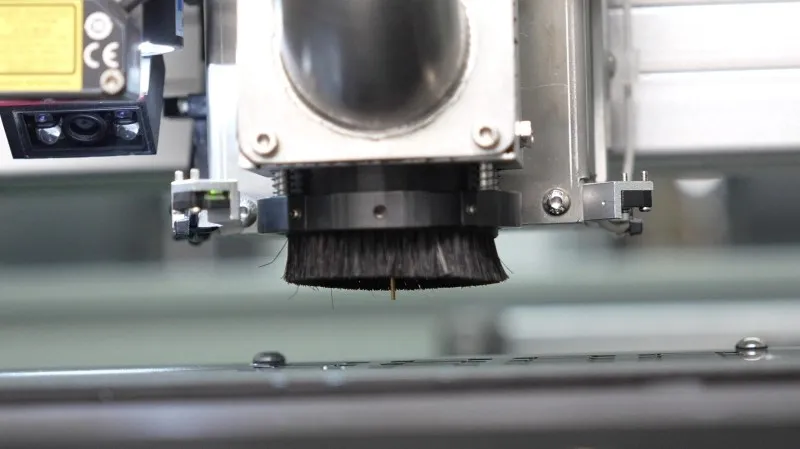
Milling cutter PCB depaneling machine burr formation is one of the most common concerns raised by process engineers—especially when boards move directly into functional testing, coating, or final assembly. Burrs may look minor, but in high-density or high-reliability electronics, they can become a real quality risk. So, will burrs appear after milling and depaneling? The realistic answer is: they can—but they are controllable. This article shares production-level insights from EMS and OEM factories, focusing on industrial quality, durability, and practical process control rather than idealized claims. 🧠 What Engineers Mean by “Burrs” in PCB Depaneling In real production, burrs typically refer to: Not all burrs are equal. Some are cosmetic, […]
How Effective is the Dust Collection System of the Milling Cutter PCB Depaneling Machine?
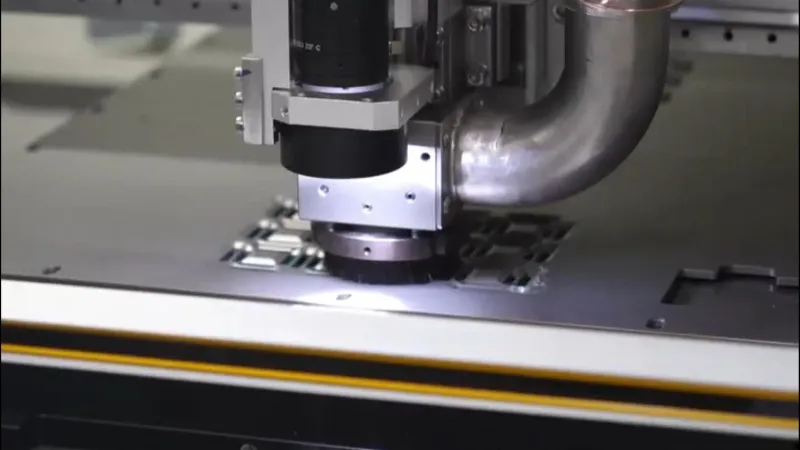
Milling cutter PCB depaneling machine dust collection performance is often underestimated until production problems appear. Fine fiberglass dust, resin particles, and copper debris generated during routing do not just affect cleanliness—they directly influence yield, equipment lifespan, and operator safety. So how effective are modern dust collection systems in real SMT environments? This article shares practical, experience-based insights from global EMS and OEM production lines, focusing on industrial quality, durability, and long-term operational value rather than specifications alone. 🧠 Why Dust Control Matters More Than It Seems In high-density PCBA production, routing dust creates several hidden risks: Many engineers only notice dust issues after yield drops or maintenance intervals are shortened. […]
Can a Milling Cutter PCB Depaneling Machine Achieve a Cutting Accuracy of ±0.05 mm?
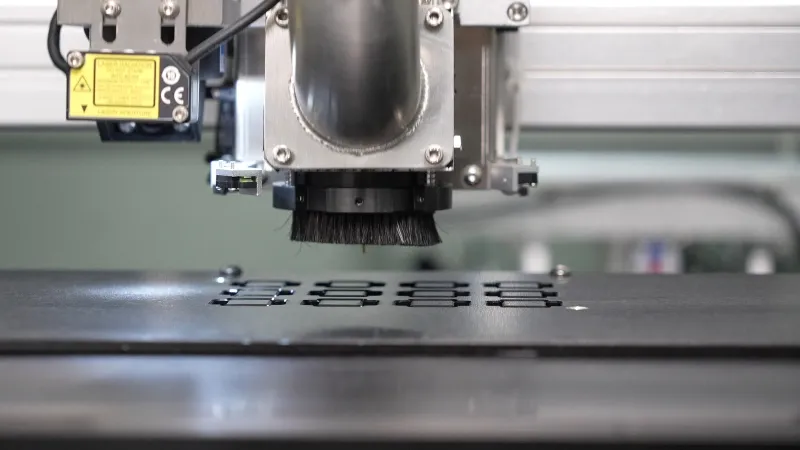
Milling cutter PCB depaneling machine accuracy is a recurring discussion point among process engineers working with high-value and high-density PCBAs. ±0.05 mm is often quoted in specifications—but can it be achieved consistently in real production? The short answer is yes, under defined conditions. The longer answer depends on process control, mechanical design, and expectations around repeatability versus peak performance. This article shares field-proven insights from EMS and OEM production lines, focusing on industrial quality, durability, and realistic cost–performance trade-offs. 🧭 What Does ±0.05 mm Accuracy Actually Mean in Production? In practice, cutting accuracy refers to the deviation between the programmed tool path and the final board edge. Engineers often discover […]