.png)
 Japanese
  English
  Spanish
  Korean
  Russian
  Chinese
 Can PCB Milling Depaneling Be Automated?
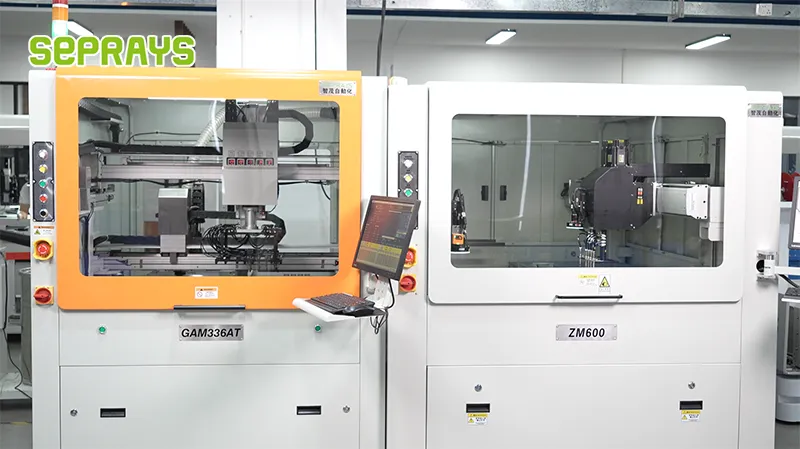
This question comes up frequently when manufacturers move from manual or semi-automatic separation toward higher throughput and more stable quality. The short answer is yes—PCB milling depaneling can be automated. The more useful answer is how far automation really goes, and when it actually pays off. 🤖 What “Automation” Means in PCB Milling Depaneling Automation does not mean just adding a conveyor. In real production, automated PCB milling depaneling usually includes: The goal is not speed alone, but repeatability and reduced human dependency. 🧩 Why Manual Milling Still Exists Many factories still rely on manual or semi-automatic milling depaneling because: Manual systems offer flexibility, but they also introduce operator-to-operator variation, […]
How close can components be to the PCB edge when milling depaneling?
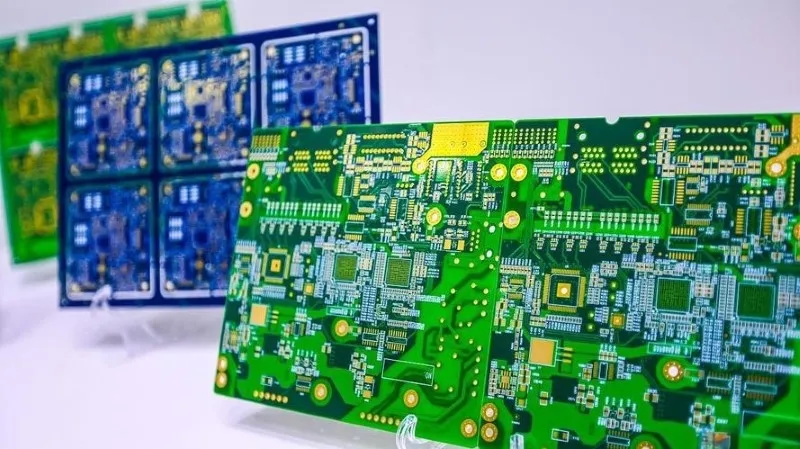
Milling depaneling component-to-edge clearance is one of the most frequently debated topics between PCB designers, SMT engineers, and manufacturing teams. Everyone wants smaller boards, higher density, and lower cost—but routing physics does not disappear just because layouts become tighter. So, how close can components realistically be to the PCB edge when using milling depaneling? The answer is not a single number. It depends on how manufacturers define acceptable yield, as well as their process control standards and risk tolerance in real production. This article shares experience-based insights from global SMT lines, focusing on manufacturability, cost impact, and practical design–process coordination rather than theoretical limits. 🔍 Why Edge Clearance Becomes a […]


