.png)
 Chinese
  English
  Spanish
  Japanese
  Korean
  Russian
 Will there be burrs after cutting the PCB with a milling cutter PCB depaneling machine?
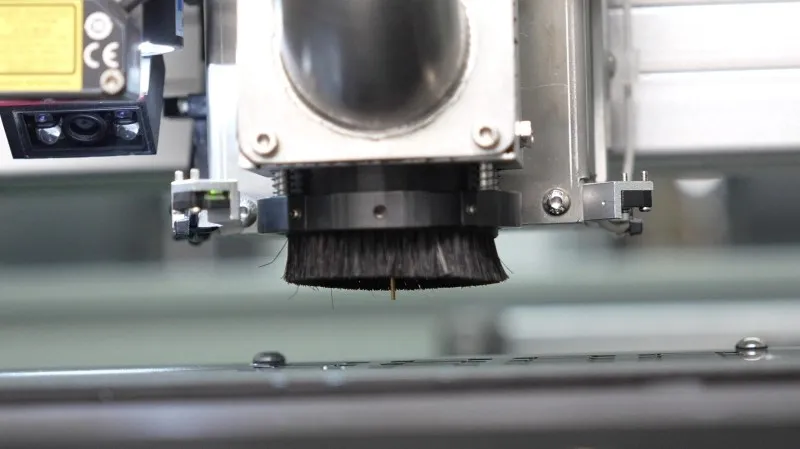
Milling cutter PCB depaneling machine burr formation is one of the most common concerns raised by process engineers—especially when boards move directly into functional testing, coating, or final assembly. Burrs may look minor, but in high-density or high-reliability electronics, they can become a real quality risk. So, will burrs appear after milling and depaneling? The […]
How Much More Efficient is a Dual-Platform Milling Cutter Depaneling Machine Compared to a Single-Platform One?
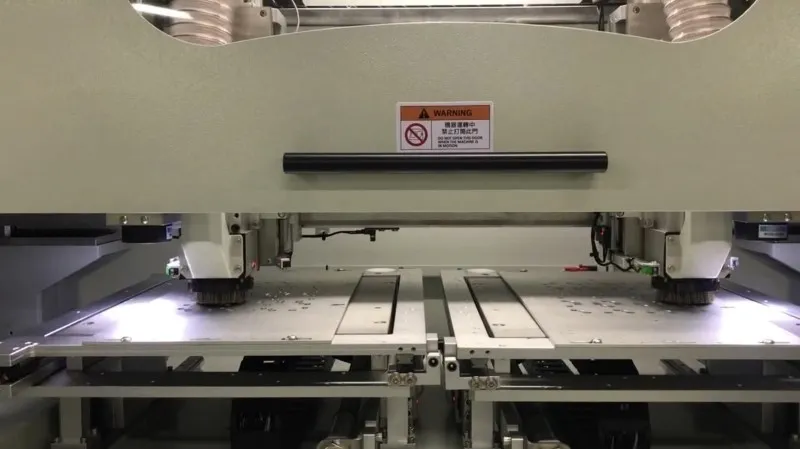
Dual-platform milling cutter depaneling machine efficiency is a topic that frequently arises when SMT lines encounter throughput bottlenecks, but hesitate to add headcount or floor space. On paper, the answer seems simple: dual platforms mean higher output. In reality, the efficiency gain depends on workflow design, product mix, and how “productive time” is defined on […]
How Effective is the Dust Collection System of the Milling Cutter PCB Depaneling Machine?
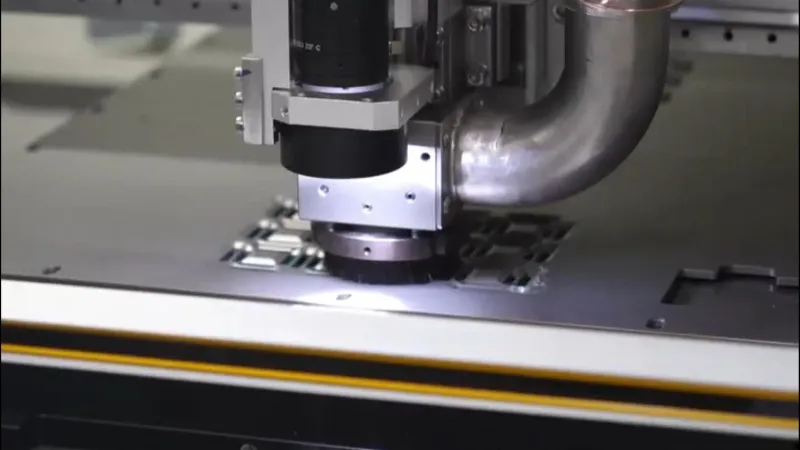
Milling cutter PCB depaneling machine dust collection performance is often underestimated until production problems appear. Fine fiberglass dust, resin particles, and copper debris generated during routing do not just affect cleanliness—they directly influence yield, equipment lifespan, and operator safety. So how effective are modern dust collection systems in real SMT environments? This article shares practical, […]
Can a Milling Cutter PCB Depaneling Machine Achieve a Cutting Accuracy of ±0.05 mm?
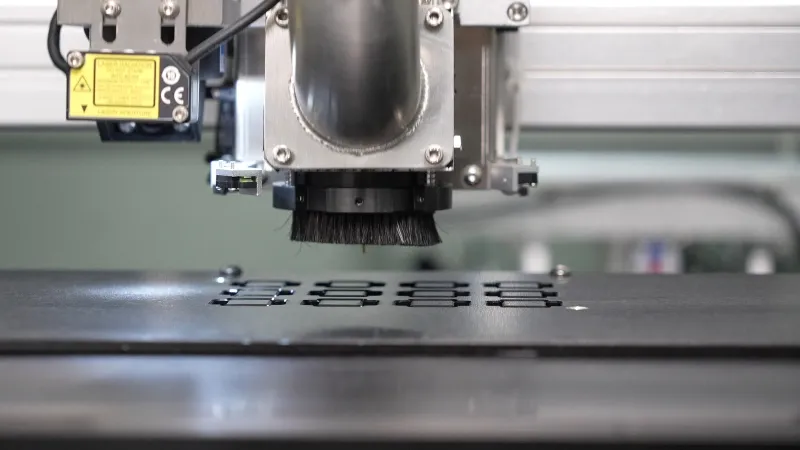
Milling cutter PCB depaneling machine accuracy is a recurring discussion point among process engineers working with high-value and high-density PCBAs. ±0.05 mm is often quoted in specifications—but can it be achieved consistently in real production? The short answer is yes, under defined conditions. The longer answer depends on process control, mechanical design, and expectations around […]
PCB Milling Depaneling Machine: Maintaining Edge Accuracy for High-Value PCBA

PCB Milling Depaneling Machine has become a cornerstone for high-value, high-density PCBAs where precision, edge integrity, and component safety are critical. Unlike V-cut or blade depaneling, milling provides controlled material removal and is especially effective for dense layouts, fragile boards, and applications demanding high reliability. This article explores practical strategies, common challenges, and field-tested solutions […]
Low-Stress Depaneling Solutions: Practical Approaches for Fragile and Dense PCBAs

Low-Stress Depaneling Solutions have become a priority as PCBAs grow thinner, denser, and more functionally integrated. In applications such as automotive electronics, industrial controls, and medical devices, depaneling is no longer viewed as a simple mechanical step—it is a process that can directly influence long-term reliability. This article shares practical approaches that engineers report actually […]
PCB Depaneling Stress Reduction Techniques: What Actually Works in High-Density PCBA

PCB Depaneling Stress Reduction Techniques have become a crucial topic in high-density PCBA production. As boards become more compact, populated with sensitive components, and multi-layered, mechanical stress during depaneling can lead to micro-cracks, solder joint fatigue, and long-term reliability issues. This article presents field-tested approaches, practical fixes, and engineering insights from global SMT lines. ⚙️ […]
PCB Depaneling for High-Density PCBA: Common Routing Challenges and Best Fixes

PCB Depaneling for High-Density PCBA has become a critical process as component spacing continues to shrink and functional integration increases. In modern SMT lines, routing is often the preferred depaneling method for dense layouts, but real-world production reveals recurring challenges that can affect yield, reliability, and long-term stability. This article summarizes practical lessons and proven […]
FPC Depaneling Solutions for Industrial Electronics: Field-Tested Strategies for Yield Stability

FPC Depaneling Solutions for Industrial Electronics are gaining attention as flexible circuits become more common in control systems, power modules, sensors, and human–machine interfaces. Compared with rigid PCBs, FPCs introduce unique challenges during depaneling due to their thin substrates, mixed materials, and sensitivity to mechanical stress. This article shares field-tested insights from industrial SMT environments […]
How to Reduce Mechanical Stress in PCB Depaneling

How to Reduce Mechanical Stress in PCB Depaneling has become a critical discussion in modern SMT production. As PCBs become thinner, denser, and populated with sensitive components, uncontrolled mechanical stress during separation can lead to micro-cracks, solder joint fatigue, and reduced reliability over time. This article shares insights from global SMT lines on minimizing stress, […]


