.png)
 English
  Spanish
  Japanese
  Korean
  Russian
  Chinese
PCB router depaneling remains one of the most common PCB separation methods in electronics manufacturing. Even with newer technologies like laser cutting, many factories still rely heavily on router systems for daily production.
Why? Because router depaneling sits in a practical middle ground. It offers flexibility, stable cutting quality, and reasonable operating cost. For many PCB designs, that balance makes it the most reliable choice.
In real manufacturing environments, the decision is rarely about technology alone. Engineers care about yield stability, production speed, board design, and long-term reliability.
🔍 Router Depaneling Handles Complex PCB Shapes
One of the biggest advantages of router depaneling is its cutting flexibility.
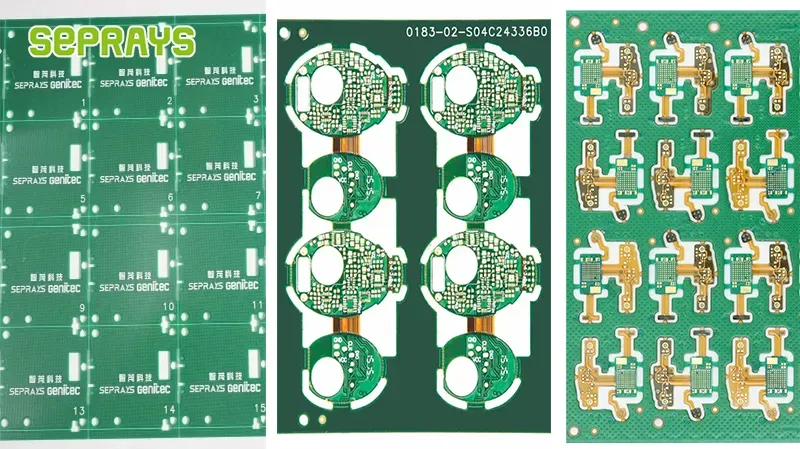
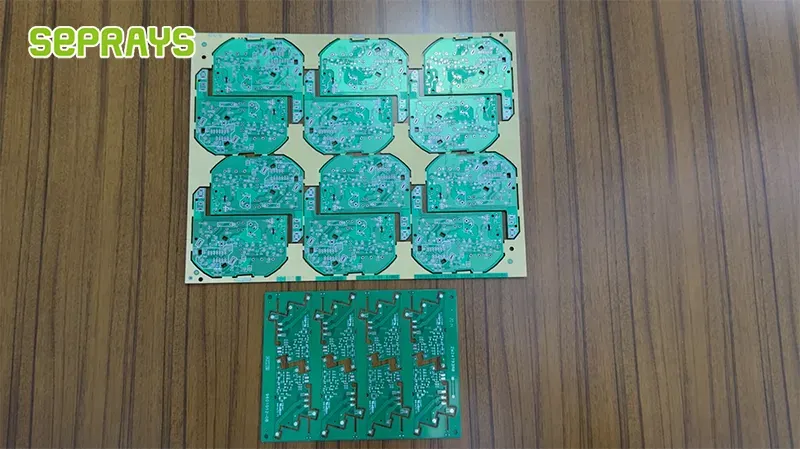
Unlike V-cut separation, which only works along straight panel lines, router systems follow programmable paths. This allows them to cut complex board outlines.
Typical examples include:
- curved PCB edges
- internal cutouts
- irregular product shapes
- connector openings
As electronic products become smaller and more customized, these shapes appear more frequently. Router depaneling adapts easily to these designs.
This flexibility is one reason it remains widely used in electronics factories.
⚠️ Reducing Stress Compared With V-Cut Separation
Another important factor is mechanical stress during board separation.
V-cut depaneling separates PCBs by snapping them along pre-scored lines. The process is fast but creates mechanical force across the board.
For some products, this can introduce risks such as:
- cracked ceramic capacitors
- weakened solder joints
- PCB bending near the edge
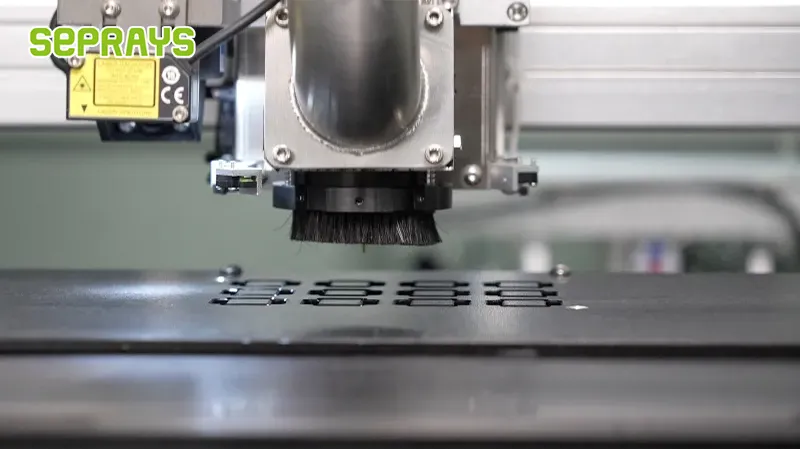
Router depaneling separates the board gradually through controlled milling. The cutting process spreads the force over time instead of applying sudden stress.
For boards with sensitive components near the edge, this difference becomes important.
📏 Suitable for Many Types of PCB Designs
Router depaneling works across a wide range of PCB structures.
Common applications include:
- consumer electronics boards
- industrial control systems
- communication modules
- automotive electronics
These products often require a mix of cutting precision and design flexibility. Router machines provide both without requiring an extremely high equipment investment.
This practical balance explains why the method remains popular across many industries.
📊 H2: Router vs Other Depaneling Methods
Engineers often compare depaneling technologies based on production requirements.
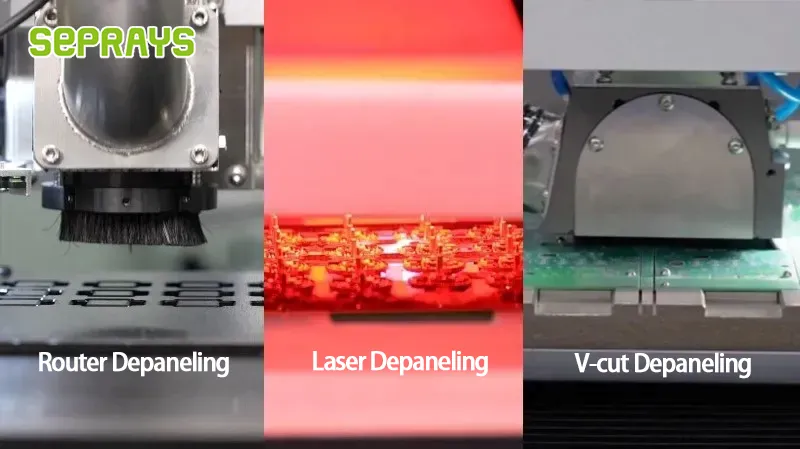
| Factor | V-Cut Depaneling | Router Depaneling | Laser Depaneling |
|---|---|---|---|
| Cutting type | Breaking along scored line | Mechanical milling | Laser beam |
| Shape flexibility | Straight lines only | Very flexible | Very flexible |
| Mechanical stress | Higher | Moderate | Minimal |
| Equipment cost | Low | Medium | Higher |
| Tool wear | None | Milling cutter replacement | None |
Each method has advantages. Router depaneling often becomes the preferred option when design flexibility and stable cutting quality are required.
💰 Cost Considerations in Production
Equipment price is only part of the cost discussion.
In practice, manufacturers also evaluate:
- production yield stability
- maintenance requirements
- cutting tool replacement
- integration with SMT lines
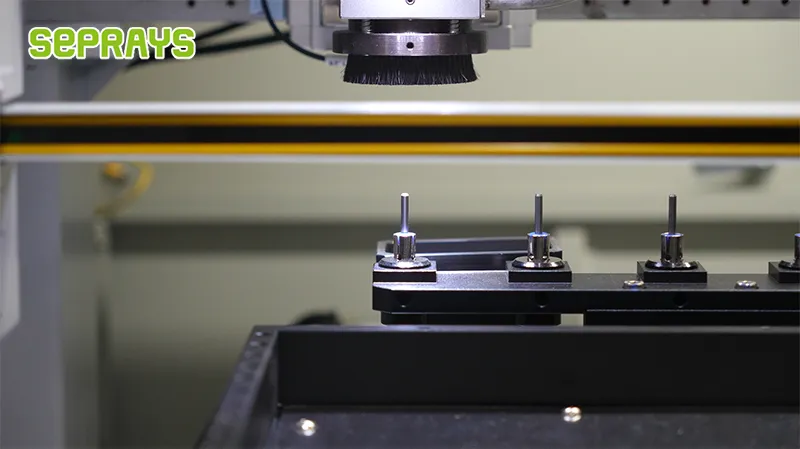
Router depaneling machines require periodic cutter replacement. However, the overall system cost is still manageable compared with high-precision laser equipment.
For many factories, this makes router depaneling a cost-effective long-term solution.
🏭 A Production Example
A factory producing industrial monitoring equipment needed a new PCB design with several irregular board edges.
The original production line used V-cut separation. However, the new design included curved outlines and small connector slots.
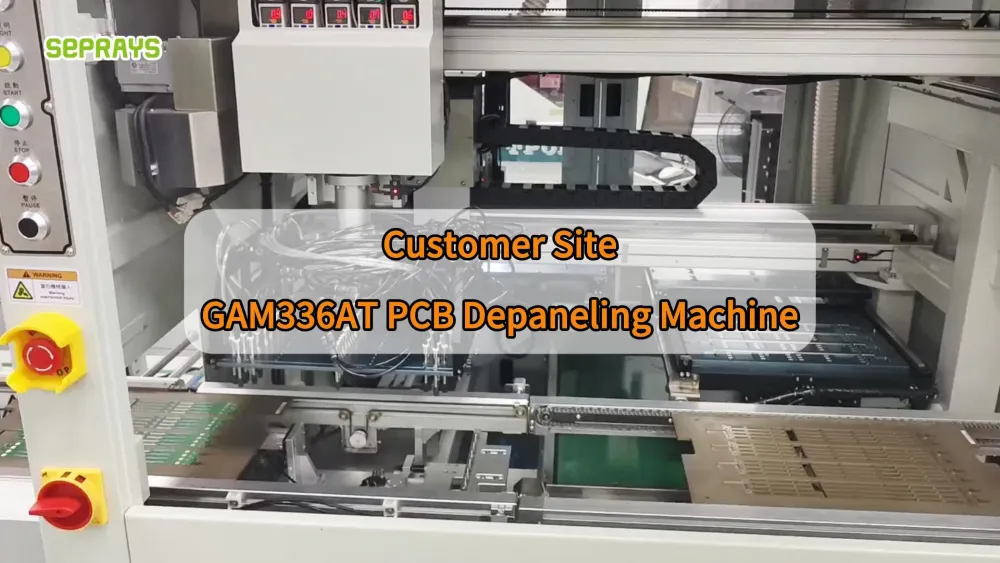
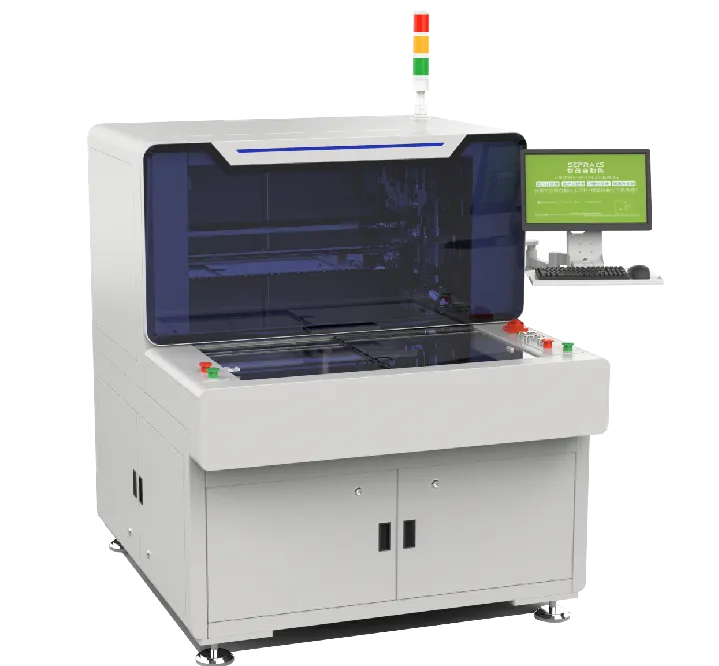
The engineering team evaluated router depaneling and tested a system supplied by Seprays Group.
After trial production, the factory reported several improvements:
- more accurate cutting around complex outlines
- smoother board edges
- stable integration with the existing SMT workflow
Router depaneling was adopted for that product line, while simpler boards continued to use V-cut separation.
This mixed approach is common in many electronics factories.
🧠 Why Many Factories Continue Using Router Depaneling
Despite the development of newer technologies, router depaneling remains widely used because it offers a balanced solution.
Key advantages include:
- adaptable to complex PCB designs
- controlled cutting process
- relatively stable equipment cost
- compatibility with automated production lines
For many engineers, router depaneling simply provides reliable results across different product types.
🔧 Choosing the Right Depaneling Strategy
In modern manufacturing, companies rarely rely on only one depaneling method.
A typical setup may include:
- V-cut depaneling for simple boards
- router depaneling for complex outlines
- laser depaneling for high-density or delicate PCBs
This flexible strategy allows factories to optimize production efficiency, quality control, and long-term cost management.
⭐ Why Choose Seprays Group?
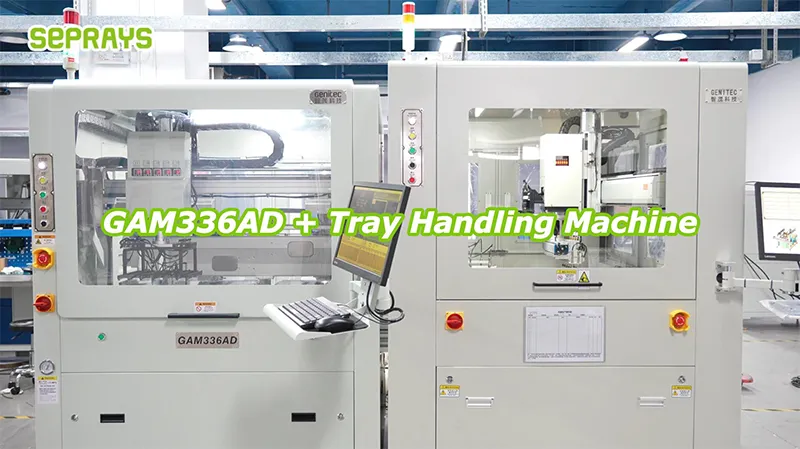
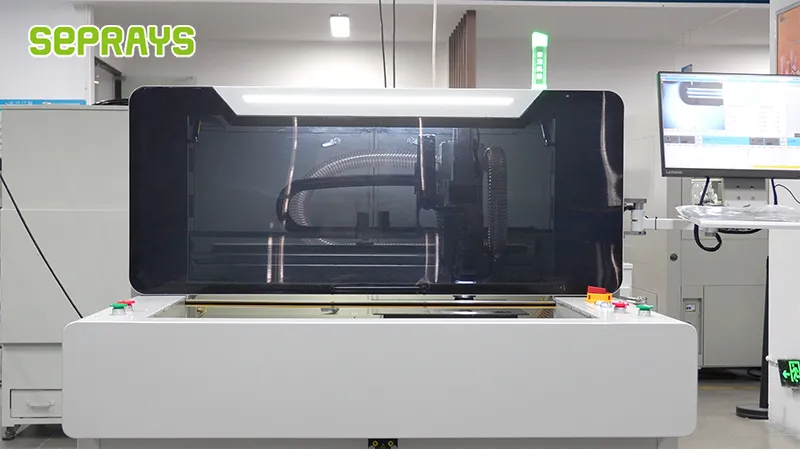
Seprays Group focuses on PCB depaneling technologies used in modern electronics manufacturing. The company provides solutions such as:
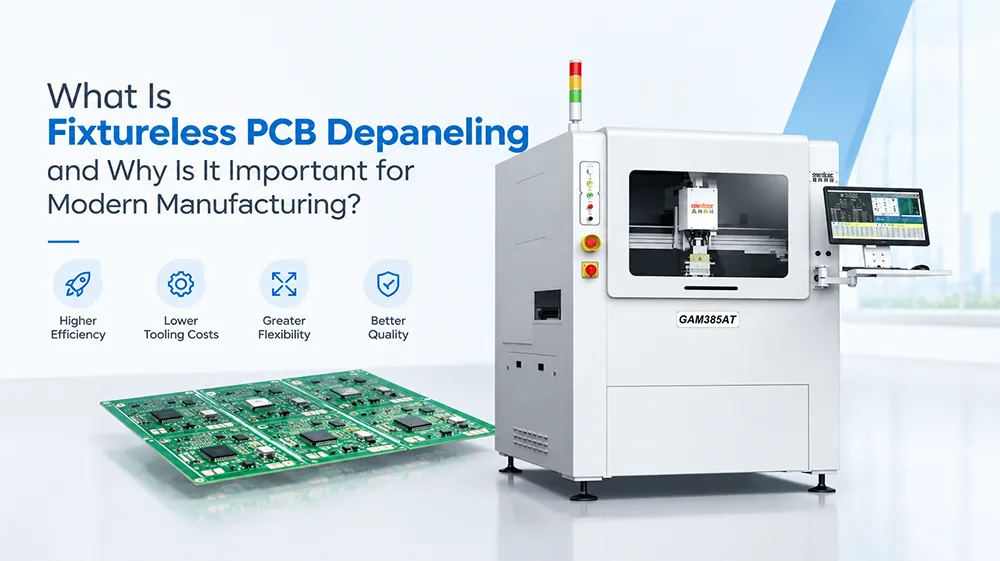
- PCB router depaneling machines
- laser depaneling systems
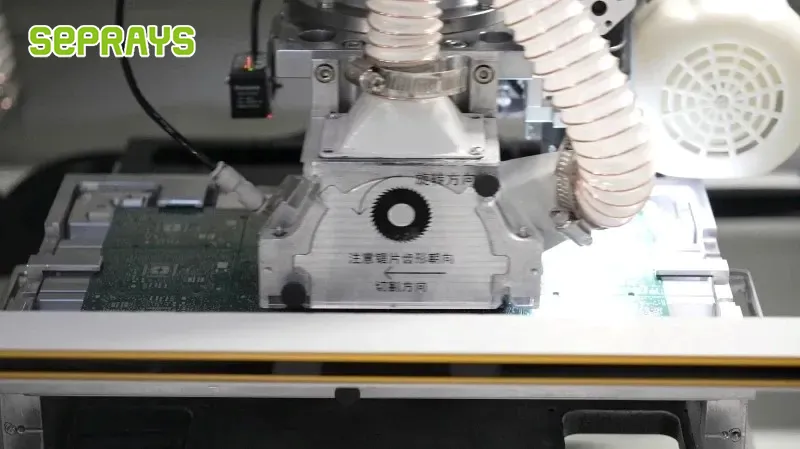
- saw blade depaneling equipment
- inline and offline depaneling automation
With experience across consumer electronics, industrial control systems, and automotive electronics, Seprays works closely with engineers to identify the most suitable depaneling method for each PCB design.
Since 1993, Seprays Group has specialized in PCB and FPC depaneling technologies, providing solutions including router depanelers, laser depanelers, V-groove depanelers, punching systems, and automated handling equipment. Our machines are widely used by manufacturers such as Foxconn, Flex, Luxshare, Compal, Wistron, Quanta, CRRC, OPPO, ZTE, and Bosch in production facilities around the world.
If you are evaluating PCB depaneling solutions, please feel free to contact us for a technical discussion.
WhatsApp: +8618929266433
E-mail: sales@seprays.com
❓ FAQ
1. Why is PCB router depaneling commonly used in electronics manufacturing?
Router depaneling provides flexible cutting paths, stable separation quality, and reasonable operating costs, making it suitable for many PCB designs.
2. Is router depaneling better than V-cut separation?
It depends on the PCB design. V-cut works well for straight lines, while router depaneling is better for complex board outlines.
3. Does router depaneling create mechanical stress on the PCB?
Some mechanical force exists because the process uses a cutting tool, but the stress is generally lower than that of snapping boards using V-cut separation.
4. What types of PCBs commonly use router depaneling?
Consumer electronics, industrial control boards, communication modules, and automotive electronics frequently use router depaneling.
5. Can router depaneling be integrated into automated production lines?
Yes. Many modern router depaneling machines support inline automation and can be connected directly to SMT production lines.