.png)
 English
  Spanish
  Japanese
  Korean
  Russian
  Chinese





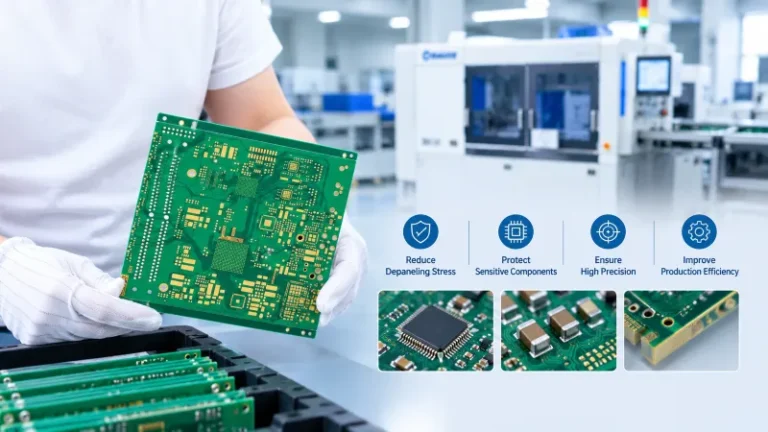
How to Reduce PCB Depaneling Stress Around Sensitive Components
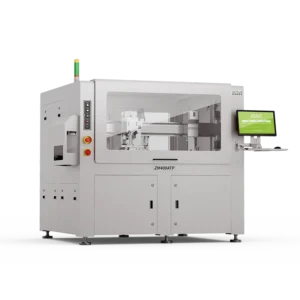
PCB depaneling stress is easy to overlook until a production line starts seeing cracked ceramic capacitors, unstable solder joints, or unexplained failures during reliability testing. For manufacturers producing compact, high-density electronic assemblies, separating boards is not just a cutting operation. It is part of quality control. The challenge becomes more serious when components sit close to the board edge. A small amount of bending or vibration can create problems that are difficult to detect during routine inspection. 🔍 1. Which Components Are Most at Risk? Not every component responds to separation forces in the same way. Multilayer ceramic capacitors (MLCCs), fine-pitch packages, BGAs, and heavy connectors deserve particular attention. Common warning signs include: The damage may not appear immediately after
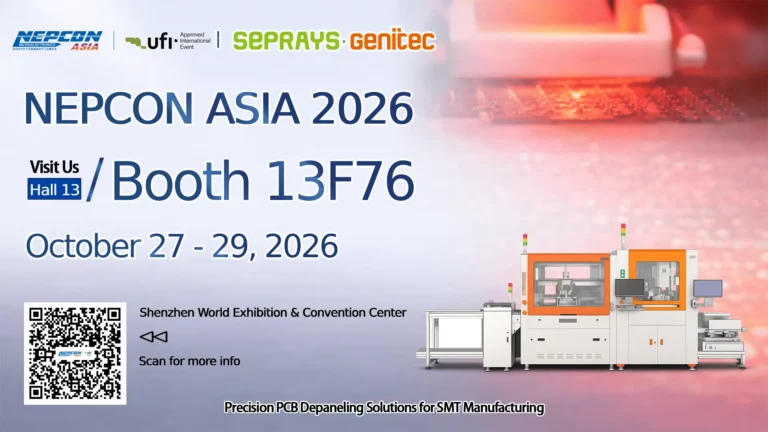
NEPCON ASIA 2026: Connecting the Electronics Manufacturing Industry
NEPCON ASIA 2026 is scheduled to take place from October 27 to 29, 2026, at the Shenzhen World Exhibition & Convention Center in Shenzhen, China. As an industry event focused on electronics manufacturing, NEPCON ASIA provides a platform for professionals to explore developments in surface mount technology (SMT), printed circuit board (PCB) processing, production automation, and related manufacturing technologies. As electronics products continue to evolve, manufacturers face ongoing challenges in improving production efficiency, maintaining consistent quality, and adapting to increasingly sophisticated manufacturing requirements. Industry exhibitions offer opportunities to learn about emerging technologies, exchange technical insights, and better understand changing production needs. Event Information The exhibition is an opportunity to follow developments across the electronics manufacturing ecosystem and learn how new
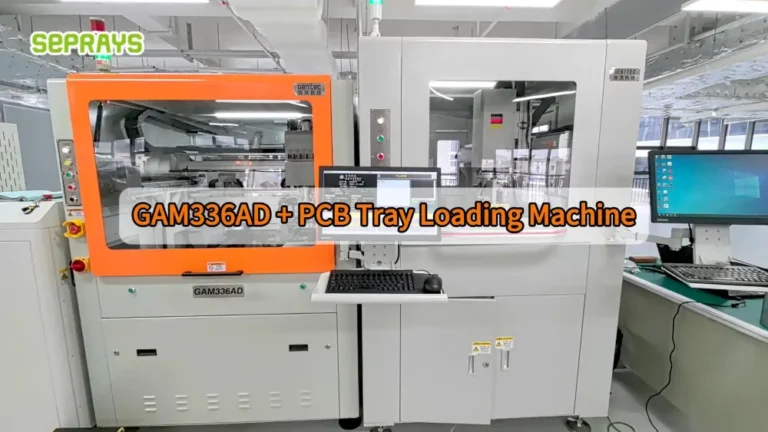
Dual-Spindle PCB Depaneling for Higher Production Efficiency and Automated Tray Loading
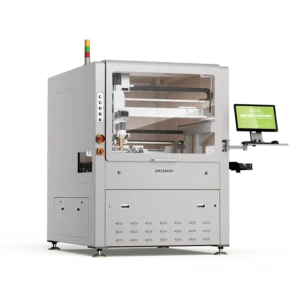
Dual-spindle PCB depaneling is worth considering when a production line needs more output but cannot afford extra manual handling or a larger workstation footprint. In electronics manufacturing, cutting is only part of the cycle. Boards still need to be positioned, separated, collected, and transferred to the next process. When these steps fall behind, a fast machine alone will not solve the bottleneck. 🔍 Why Does Production Slow Down? Imagine an overseas semiconductor-related electronics manufacturer producing assembled circuit boards for industrial or consumer electronics. Orders are increasing, but operators spend too much time moving panels, unloading finished boards, and preparing the next cycle. The cutting machine may be capable of working faster, yet the overall line remains constrained by handling time.
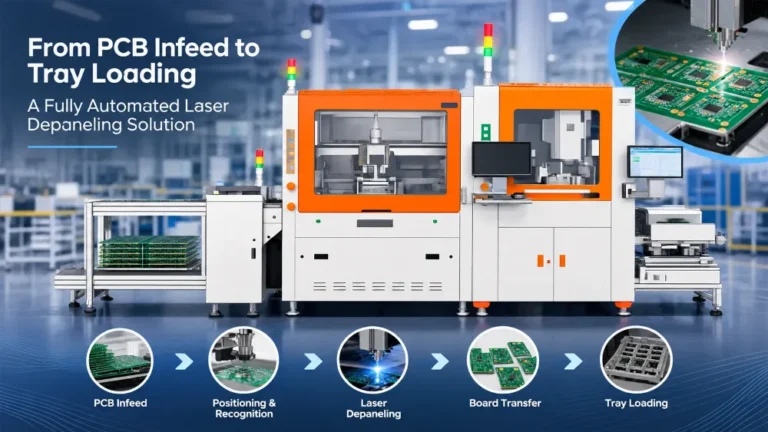
Which PCB Depaneling Machine Manufacturers Serve International Electronics Manufacturers?
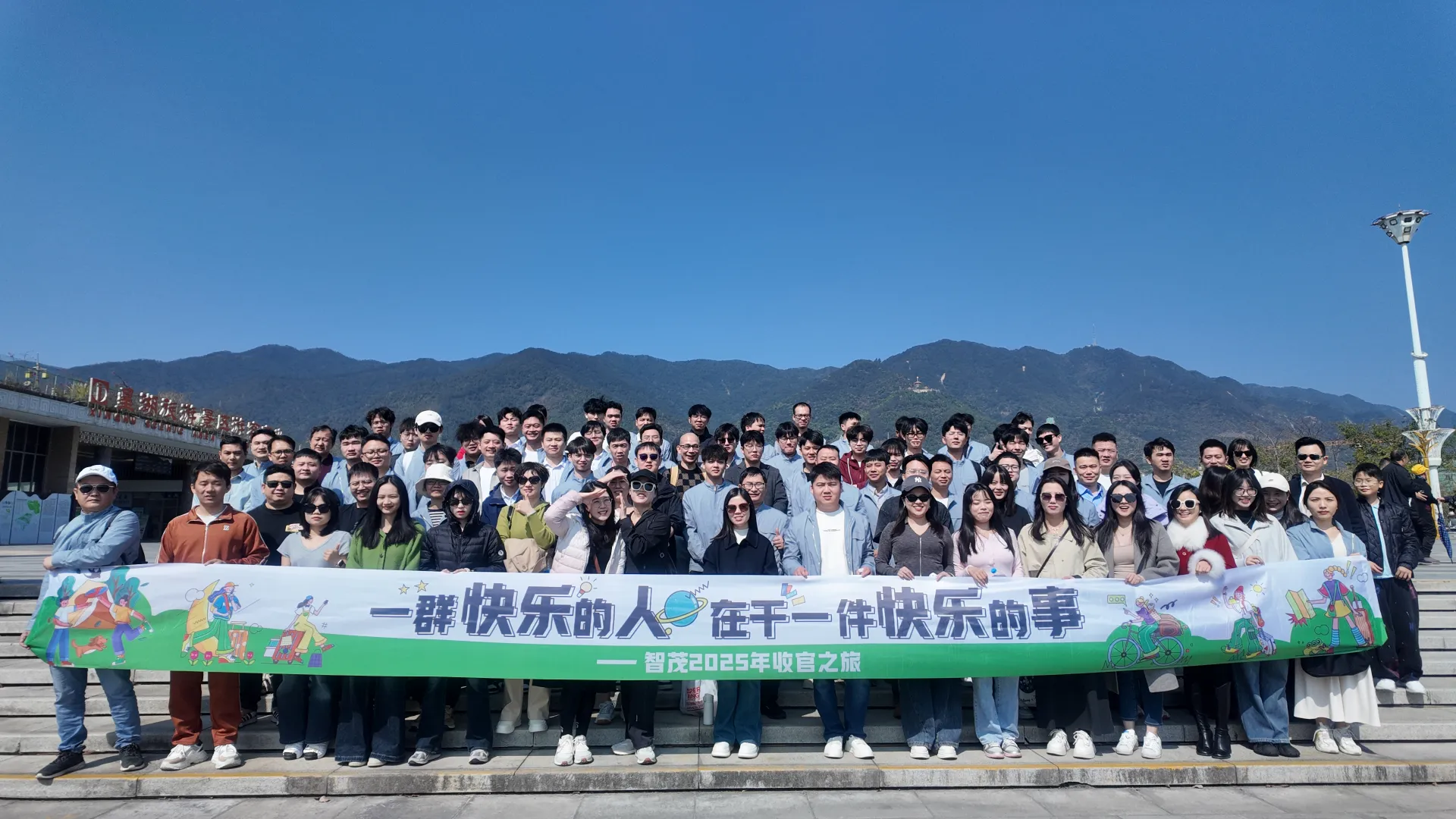
PCB depaneling machine manufacturers serve different needs across the electronics industry. Some focus on routing and milling, while others specialize in laser processing, V-groove separation, or integrated production-line automation. For international electronics manufacturers, choosing a supplier involves more than comparing machine prices. Cutting quality, production compatibility, technical support, and long-term operating costs all deserve attention. 🔍 Which Manufacturers Should You Evaluate? There is no single manufacturer that fits every PCB application. The following companies are starting points for a supplier shortlist, rather than a definitive industry ranking. Before requesting quotations, confirm that each supplier supports your specific board design, production volume, installation region, and service requirements. ⚙️ How Do Their Solutions Differ? The machine technology often matters more than the