.png)
 Spanish
  English
  Japanese
  Korean
  Russian
  Chinese
Avanzando juntos, la creación de logros extraordinarios | Seprays 2026 Equipo de Construcción y 2025 Fiesta de Fin de Año celebrado con éxito
From January 31 to February 1, 2026, Seprays colleagues stepped away from daily routines and into the mountains, rivers, and—most importantly—into each other’s company. This two-day journey was more than a team-building activity or an annual meeting.It was a reflection on the past year, a shared experience as a team, and a quiet preparation for the year ahead. 🚍 Journey to Zhaoqing | Over a Hundred Colleagues, One Shared Departure On the morning of January 31, more than one hundred Seprays employees departed from Dongguan by bus, officially beginning our “Team Building + Annual Meeting” trip. By noon, we arrived in Zhaoqing. After lunch and a short break, everyone headed to Dinghu Mountain for free exploration. The mountain air was cool and refreshing.The pace slowed naturally. For a moment, deadlines were replaced by footsteps, conversations, and laughter. 📍 Butterfly Valley Walking through the forest, cameras quietly captured both nature and genuine smiles. 📍 Flying Lake Photos, casual chats, and quiet moments by the water—work was set aside, and presence took its place. Here, no one was defined by titles or positions.Everyone was simply a Seprays team member, enjoying the journey together. 🎤 Annual Meeting Opening | Nine Hosts, One Energetic
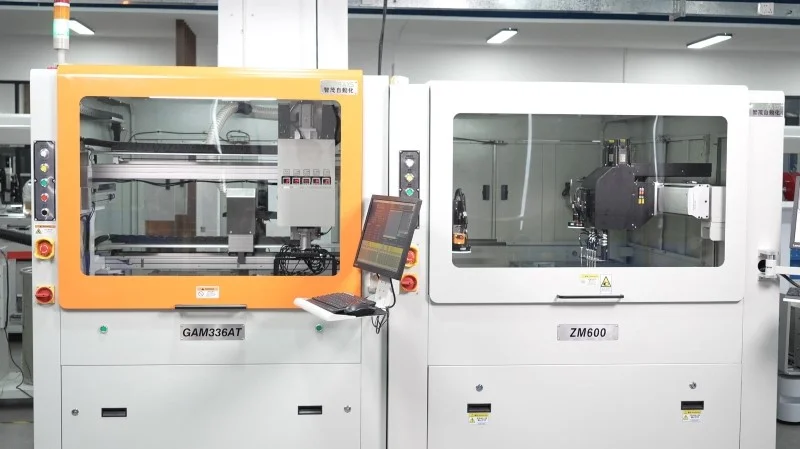
Está en línea fresadora de PCB depaneling la pena?
For some factories, it clearly is. For others, it becomes an expensive upgrade that never fully pays back. The real value depends less on the machine itself and more on how your SMT line actually runs day to day. This article looks at inline PCB router depaneling from a production-floor perspective—what problems it really solves, where it struggles, and when the investment makes sense. 🧩 What “inline” really changes Inline PCB router depaneling connects directly to the SMT line. Panels move automatically from reflow or AOI into depaneling without manual loading. What changes in practice: What doesn’t change: Inline doesn’t make routing magically faster—it makes the flow smoother. ⚠️ The pain points that push teams toward inline systems 👷 Labor pressure Manual router depaneling often depends on skilled operators. When labor turnover rises or shifts become unstable, inline automation starts to look attractive. 🔄 Bottlenecks after reflow Many lines discover that depaneling—not placement or reflow—limits output. Inline routing removes waiting time between processes. 📊 Traceability demands Automotive, medical, and industrial customers increasingly ask: Inline systems integrate naturally with MES and barcode tracking. 💸 Cost reality: what you really pay for Inline router depaneling costs more than standalone machines—not just upfront,
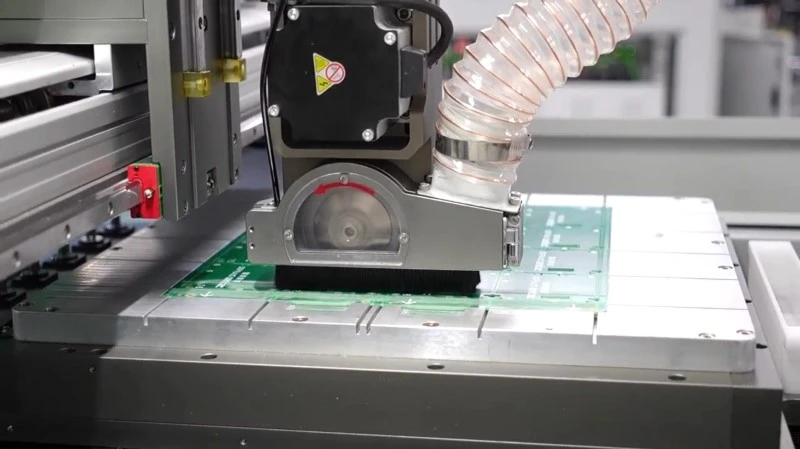
Is saw blade PCB depaneling faster than routing?
In most real production environments, yes—saw blade depaneling is usually faster, but speed alone rarely tells the full story. The better question engineers ask after a few projects is: faster for which boards, at what cost, and with what long-term risk? This article breaks the answer down from a production and reliability perspective. ⚡ Short answer first Speed matters—but only when it doesn’t compromise yield. 🧩 Where the speed difference really comes from 🔪 Cutting path length Saw blade depaneling follows straight, continuous lines. Once aligned, the blade cuts through the panel in a single motion. Routing removes material gradually, following programmed paths, which naturally takes longer. 🔄 Tool motion Routing involves frequent acceleration, deceleration, and direction changes. Saw blade systems maintain constant linear motion, which is why cycle times are shorter. In high-volume SMT lines, this difference becomes very noticeable. ⚠️ The hidden trade-offs engineers notice later 🧱 Mechanical stress Saw blade depaneling applies force along the cut line. While well-designed machines control this force, stress is still higher than routing, especially on thin or dense PCBAs. 📐 Design limitations Saw blades work best with: If your board shape is complex or components sit close to the edge, routing
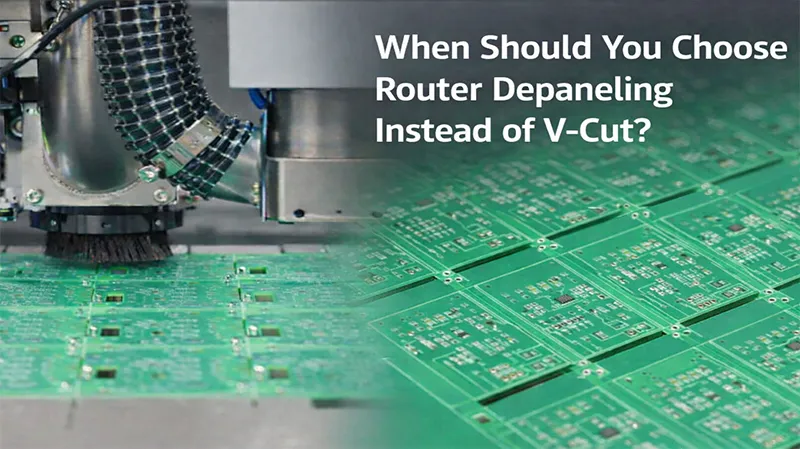
When Should You Choose Router Depaneling Instead of V-Cut?
Router depaneling vs V-cut is one of the most practical decisions PCB engineers face when balancing cost, quality, and long-term reliability. The short answer is simple: choose router depaneling when mechanical stress, design flexibility, and edge quality matter more than raw speed. Below, we break this down from real production experience—not theory. 🔍 What problem are engineers really trying to solve? Most depaneling issues don’t show up at the cutting stage. They appear later as: The depaneling method often becomes the hidden root cause. ⚙️ When V-cut starts to struggle ⚠️ High mechanical stress V-cut relies on the bending force to separate boards. This force travels through the entire PCB, not just the score line. For simple, low-density boards, this may be acceptable. For sensitive designs, it’s risky. ⚠️ Limited design freedom V-cut only works on straight lines and requires strict panel design rules. Once components move closer to the edge, options become limited. ⚠️ Unpredictable failure costs The real cost of V-cut is often hidden: rework, scrap, and field failures—not the machine itself. 🛠️ When router depaneling is the better choice ✅ Dense and high-value PCBA Router depaneling removes material instead of snapping boards apart. Cutting force stays local

Safety issues to watch in laser PCB depaneling
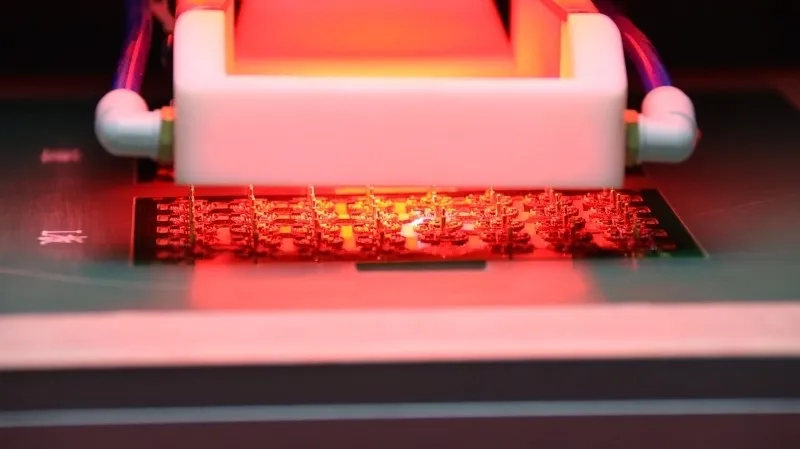
Laser PCB depaneling is increasingly used for low-stress, high-precision applications. However, choosing laser technology does not automatically mean “risk-free.” Based on real production experience, most problems come not from the laser itself, but from overlooked safety details in setup, operation, and process design. This checklist-style article highlights where teams often get it wrong—and how to avoid those pitfalls. ⚠️ Why Safety Is Often Underestimated in Laser Depaneling Laser depaneling is a non-contact process, so it feels safer than routing or sawing. No blades, no vibration, no mechanical force.That perception can lead to relaxed standards, especially during early deployment. Common pain points engineers report include: Safety in laser depaneling is not only about people—it directly affects product quality and cost. 👀 Pitfall 1 – Ignoring Laser Radiation Control The most basic risk is also the most critical. Even Class 1 systems require disciplined enclosure design. Reflected or scattered laser energy may not injure operators immediately, but it can degrade sensors or cameras over time. Avoidance tip:Always verify enclosure integrity and interlock logic during commissioning—not just during factory acceptance. 🌫️ Pitfall 2 – Underestimating Fume and Particle Hazards Laser depaneling vaporizes material instead of cutting it mechanically. This creates: Without proper extraction,
Which PCB depaneling method causes the least stress?
This question comes up whenever PCBA reliability, fine-pitch components, or thin substrates are involved. The short, experience-based answer is: laser depaneling introduces the lowest mechanical stress, but it is not always the default choice. Below is a clear comparison to help engineers make a practical decision. 🧠 Why Depaneling Stress Matters More Than You Think Mechanical stress during depaneling is a hidden risk. It may not show up during visual inspection, but it often leads to: As component density increases and boards become thinner, depaneling stress becomes a design constraint, not a secondary process issue. ⚙️ Common PCB Depaneling Methods at a Glance In practice, manufacturers mainly choose between four methods: Each method removes material differently—and that directly affects stress levels. 📊 Stress Comparison by Depaneling Method Below is a simplified comparison based on field experience and production feedback. Method Mechanical Stress Edge Quality Design Flexibility Hidden Risk V-cut High Medium Low Board bending Saw blade Medium Medium Medium Vibration Routing Low–Medium Good Good Tool pressure Laser Near zero Excellent Excellent Minimal Key takeaway: Laser depaneling consistently produces the lowest stress because it is a non-contact process. 🔍 Why Laser Depaneling Causes the Least Stress Unlike mechanical methods, laser depaneling