.png)
 English
  Spanish
  Japanese
  Korean
  Russian
  Chinese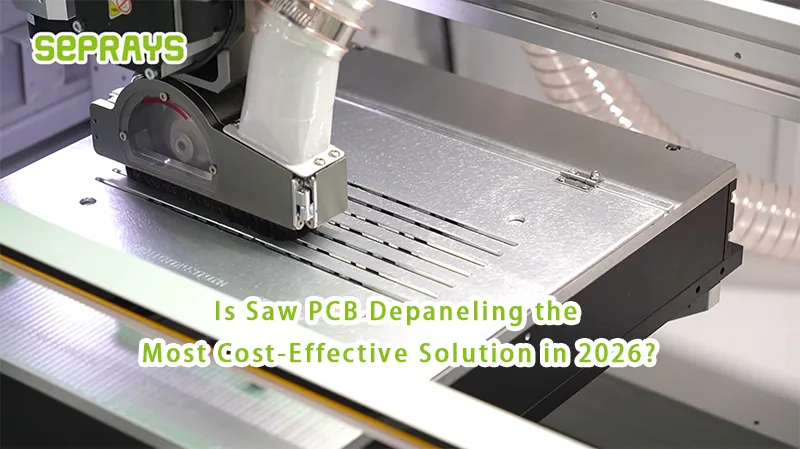
Is saw PCB depaneling the most cost-effective solution in 2026?
At first glance, the answer seems obvious.
Low machine cost.
High cutting speed.
Simple operation.
But once production scales—and product complexity increases—the real cost picture becomes more nuanced.
🔍 Why Saw Depaneling Is Still Widely Used
Saw depaneling has been around for years.
And for good reason:
- Fast straight-line cutting
- Low initial investment
- Easy to integrate into production
For many factories, it is still the “default” choice.
Especially in:
- LED boards
- Power supply PCBs
- Low-density designs
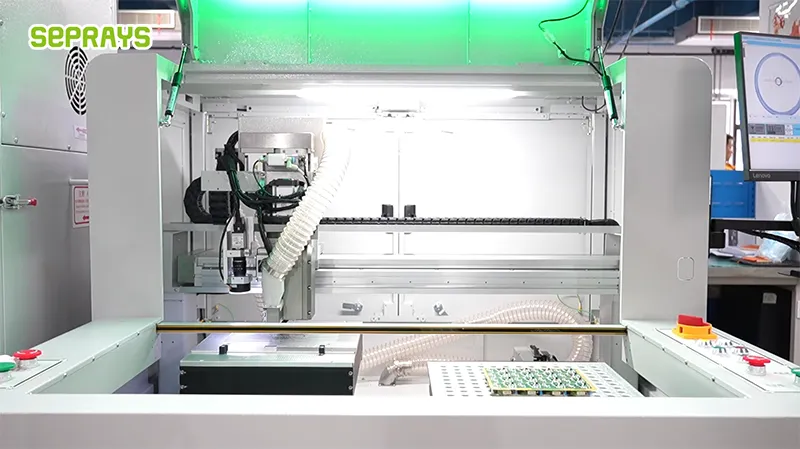
⚙️ What “Cost-Effective” Really Means in 2026
Cost is no longer just about machine price.
In 2026, manufacturers evaluate:
- Yield rate
- Labor cost
- Maintenance frequency
- Downtime
- Product reliability
A cheaper machine can become expensive
If it increases defects or slows production.
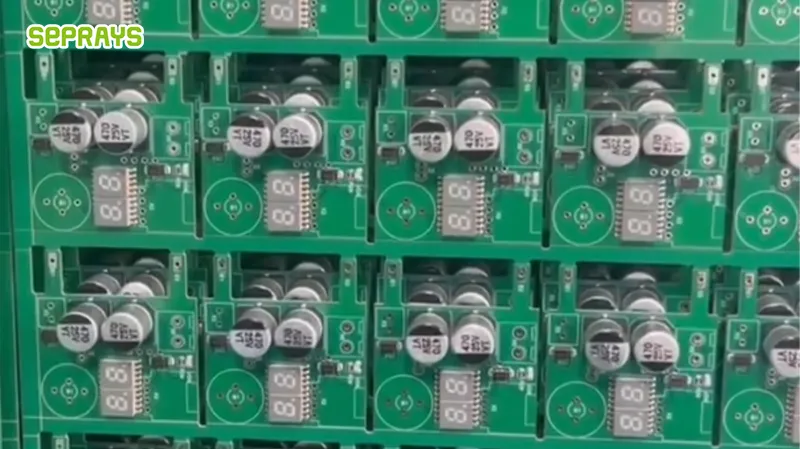
💥 Hidden Costs of Saw PCB Depaneling
Saw depaneling performs well in specific scenarios.
But it also introduces challenges.
1. Mechanical Stress
- Blade vibration affects nearby components
- Risk of micro-cracks
2. Limited Flexibility
- Best for straight lines only
- Not suitable for complex contours
3. Tool Wear and Maintenance
- Blades require regular replacement
- Performance drops over time
4. Edge Quality Concerns
- Burrs or rough edges
- Additional cleaning needed
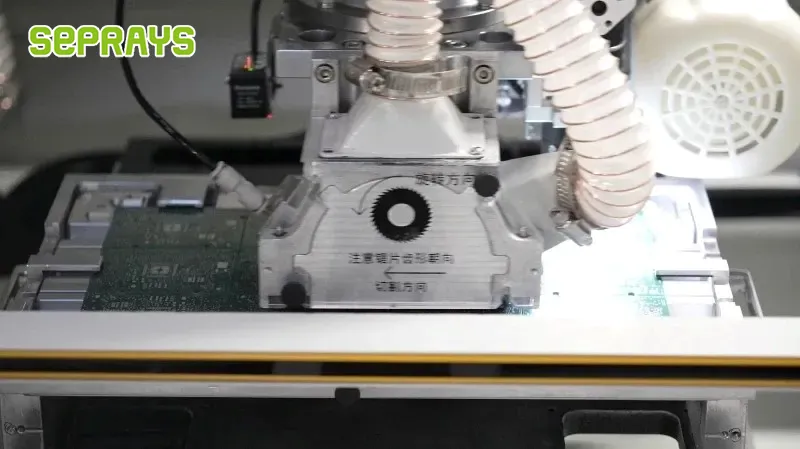
💡 A Counterintuitive Insight
Many assume:
“Faster cutting = lower cost.”
But in practice:
- Faster cutting can increase defect rates
- Rework and scrap raise the total cost
So the cheapest process is not always the fastest.
It’s the most stable.
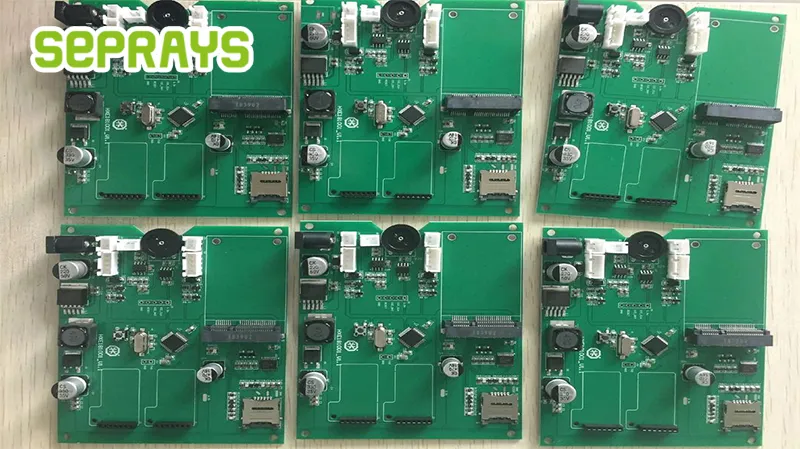
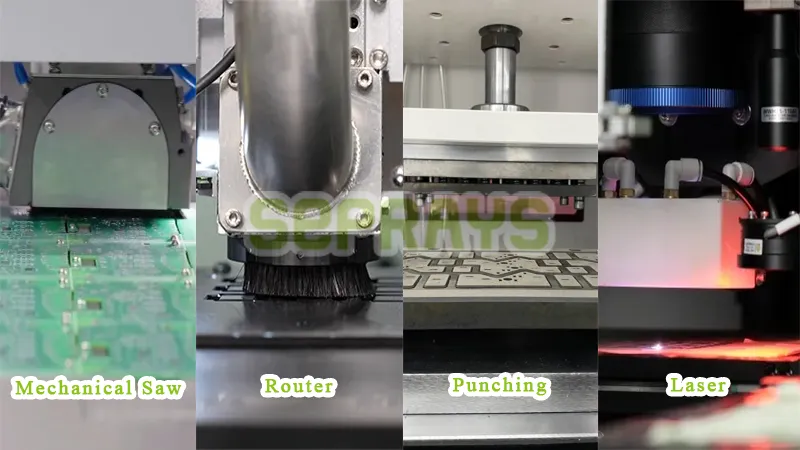
📊 Cost Comparison of Depaneling Methods
| Method | Initial Cost | Operating Cost | Yield Impact | Flexibility | Best Use Case |
|---|---|---|---|---|---|
| Saw Blade | Low | Medium | Medium | Low | Straight-line, simple boards |
| Router | Medium | Medium | High | High | Complex shapes |
| Laser | High | Low-Medium | Very High | Very High | High-density, sensitive PCBs |
| V-Cut | Low | Low | Medium | Low | Pre-scored panels |
🧩 When Saw Depaneling Is Truly Cost-Effective
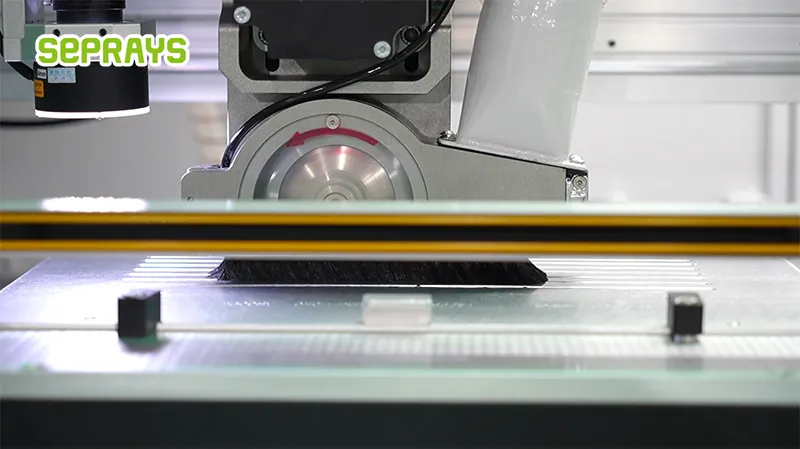
From real production cases, saw depaneling works best when:
1. PCB Design Is Simple
- Straight cutting lines
- No sensitive edge components
2. High-Volume Production
- Stable product types
- Minimal design changes
3. Cost Pressure Is High
- Budget constraints
- Focus on throughput over precision
🔄 When Saw Depaneling Becomes Expensive
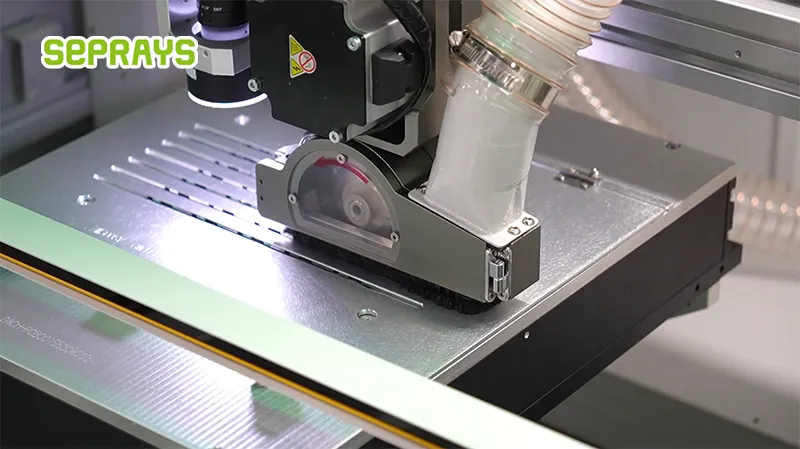
It may no longer be cost-effective if:
- Components are close to the edge
- PCB designs become complex
- Quality requirements increase
- Rework rates rise
In these cases, hidden costs exceed savings.
🧪 Case Example — Rethinking Cost Efficiency
A manufacturer producing consumer electronics PCBs has used saw depaneling for years.
Initial advantages:
- Low equipment cost
- High speed
But over time:
- Increased defect rates
- Edge damage near components
- Rising rework costs
After working with Seprays, they evaluated alternatives:
- Introduced routing for complex boards
- Kept saw cutting for simple panels
Results:
- Reduced overall defect rate
- Balanced cost and quality
- Improved production efficiency
The key insight?
Not replacing saw—but using it selectively.
🛠️ Practical Strategy — Hybrid Cost Optimization
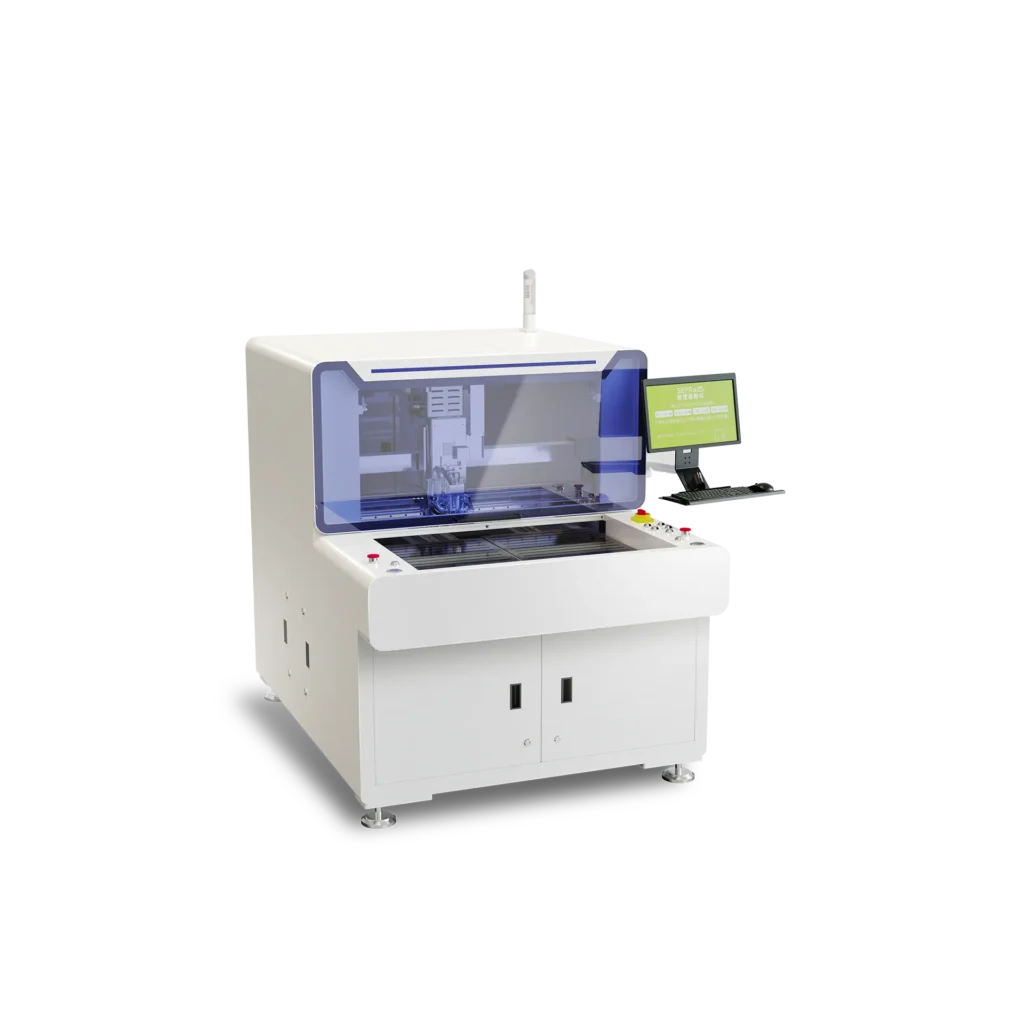
Instead of choosing one method, consider:
- Saw for straight, simple cuts
- Router for complex shapes
- Laser for sensitive areas
This hybrid approach often delivers:
- Better yield
- Lower total cost
- Higher flexibility
💰 Real Cost Breakdown to Consider
When evaluating saw depaneling, include:
- Scrap and rework cost
- Tool replacement cost
- Labor for handling and inspection
- Downtime due to maintenance
Only then can you see the full picture.
🚀 2026 Trend — Smarter Cost Decisions
Manufacturers are shifting from:
“Lowest machine cost”
To:
“Lowest total production cost”
This includes:
- Quality stability
- Process efficiency
- Long-term reliability
🚀 Final Thought — The Right Tool for the Right Job
Saw PCB depaneling is still valuable.
But it is not always the most cost-effective solution.
The best approach is:
Match the method to the application.
🚀 Why Choose Seprays Group?
Seprays Group helps manufacturers evaluate the true cost of different depaneling methods and select the most efficient solution based on real production conditions.
With over 30 years of experience, Seprays Group has been dedicated to PCB/FPC depaneling technology, providing a full range of solutions—milling-cutter, laser, V-groove, and punching depanelers, as well as automated handling systems. Our equipment is trusted by leading manufacturers, including Foxconn, Flextronics, State Grid, Luxshare, Compal, Wistron, China Electronics, Quanta, CRRC, China Aerospace, OPPO, ZTE, and Bosch. It is used in factories across China and worldwide.
With deep industry knowledge and application-driven solutions, Seprays supports customers in reducing total production cost while maintaining high quality and efficiency.
If you are evaluating whether saw depaneling is right for your production, feel free to contact us—we’re here to help.
WhatsApp: +8618929266433
E-mail: sales@seprays.com
❓ FAQ
1. Is saw depaneling the cheapest option?
It has a low initial cost, but the total cost depends on the application.
2. When is the saw depaneling most suitable?
For simple, straight-line PCB designs with high volume.
3. What are the main risks?
Mechanical stress, edge damage, and limited flexibility.
4. Can saw be combined with other methods?
Yes, hybrid approaches are increasingly common.
5. How to reduce costs in depaneling?
Focus on total cost, including yield, maintenance, and efficiency.