.png)
 Japanese
  English
  Spanish
  Korean
  Russian
  Chinese
 How to Depanel High-Density PCBs Without Damaging Components
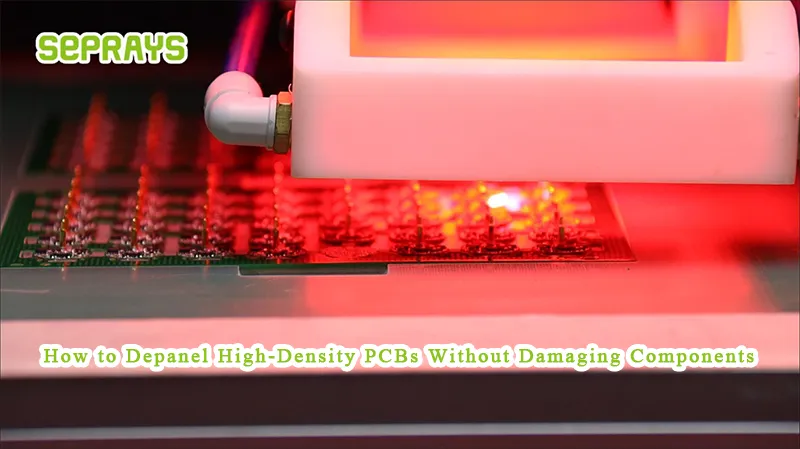
How to depanel high-density PCBs without damaging components? It’s a question that often comes up as designs get tighter and margins shrink. At first, everything looks fine on the SMT line. Then issues appear—cracked solder joints, lifted components, or unexplained failures during testing. In many cases, the root cause is not assembly.It’s the depaneling step. 🔍 Why High-Density PCBs Are More Vulnerable High-density PCBs are built for performance, not forgiveness. They typically include: This means even small mechanical stress can lead to: The risk is higher.And harder to detect early. ⚙️ Where Damage Usually Happens Damage during depaneling is often subtle. Common sources include: These factors combine. And the result […]
How to Address the Stress Generated by a PCB Depaneling Machine?
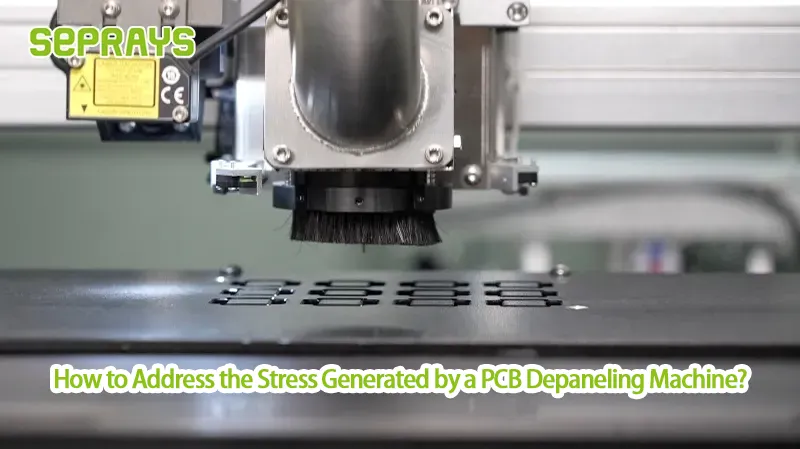
How to address the stress generated by a PCB depaneling machine? It’s a question many engineers don’t ask—until defects start showing up. Cracked edges. Intermittent failures. Reduced yield with no obvious root cause. In many cases, the issue isn’t assembly.It starts with depaneling. 🔍 Where Does Depaneling Stress Come From? Stress is introduced during the separation process. Different sources include: Even small forces can affect: The challenge is not eliminating stress—but controlling it. ⚙️ How Different Depaneling Methods Affect Stress Not all machines behave the same. Here’s a simplified comparison: Method Stress Level Key Characteristics Saw Blade Medium High speed, mechanical contact Router Low-Medium Controlled cutting, flexible paths Laser Very […]
Laser PCB Depaneling for Medical Electronics: What You Need to Know
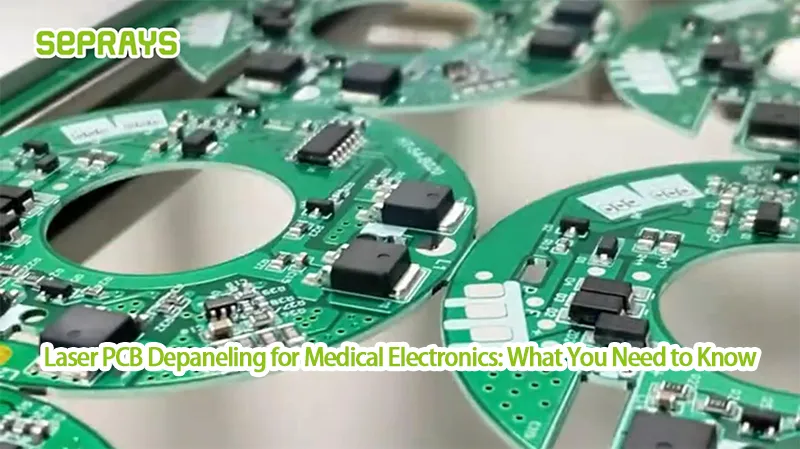
Laser PCB depaneling for medical electronics is not something most teams think about at the start of a project. It usually becomes important later, when edge defects appear, or when reliability testing starts to fail without a clear reason. In medical devices, small issues don’t stay small.They show up in performance.And sometimes, in compliance. 🏥 Why Medical Electronics Require Extra Care Medical PCBs are different from standard consumer products. They often involve: These boards are used in devices where failure is not acceptable. So the depaneling process must avoid introducing any hidden damage. ⚙️ What Makes Laser Depaneling Stand Out Laser PCB depaneling is a non-contact process. No mechanical force.No […]
Not a New Starting Point, but a New Height: Seprays Suzhou Branch Upgrades and Relocates
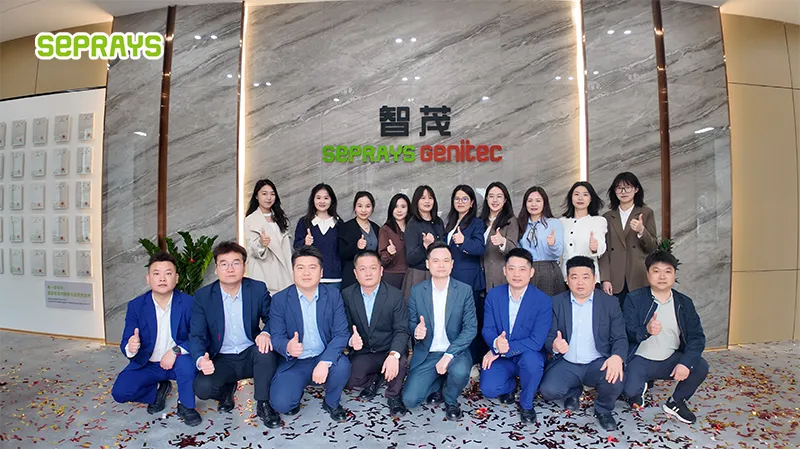
Many of our clients are unaware that… Seprays’ Suzhou branch established its presence there as early as 2022. However, this time, things are different. On March 30, 2026, we officially relocated and upgraded our facility.This isn’t merely a simple change of office space; rather, it represents—Bringing our “service capabilities” directly to our clients’ doorsteps. Why the upgrade? Over the past few years, we have been serving an ever-growing number of clients across East China: And their requirements have become increasingly consistent: Previously, many matters required back-and-forth communication.Now, we have fully established our “on-site capabilities” to handle them directly. What makes the Suzhou branch different? What does this mean for you? […]
Live from the Show Floor | Seprays Showcases at electronica China, Board Separation Automation Takes Center Stage
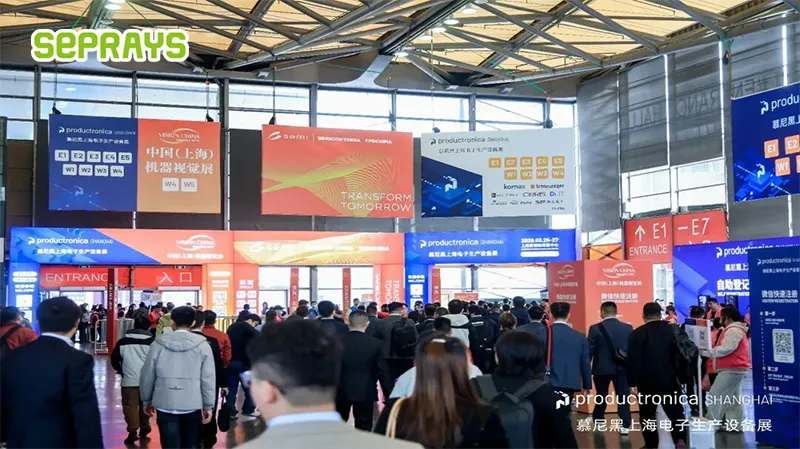
This Year’s Industry Momentum Is Evident from a Single Exhibition On March 25, the Productronica China exhibition officially opened in Shanghai.The scene was a vivid illustration of the industry’s vitality: large crowds, constant inquiries, and even larger throngs gathered around the equipment displays.At Booth 4762 in Hall E4, Seprays found itself “surrounded” by visitors for nearly the entire day.This wasn’t due to mere gimmicks, but rather because—Many customers are genuinely seeking stable, practical solutions for PCB depaneling. 1. Why is everyone focusing on “Depaneling” this time around? Unlike previous years, the questions customers asked most frequently this time were not about technical specifications or parameters, but rather: Simply put, depaneling […]
What’s the Right PCB Depaneling Solution for Automotive Electronics?
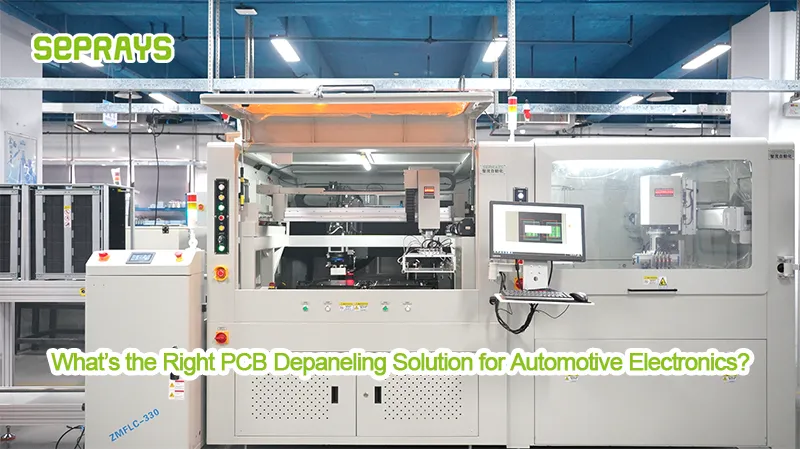
What’s the right PCB depaneling solution for automotive electronics? It’s a question that usually comes up after something goes wrong—edge cracks, unstable yield, or unexpected failures during testing. In automotive manufacturing, depaneling is not just a finishing step. It’s part of reliability control. And the margin for error is small. 🚗 Why Automotive Electronics Raise the Bar Automotive PCBs operate under tougher conditions than most. They face: This means the depaneling process must avoid introducing hidden defects. Even micro-damage can become a field failure later. ⚙️ Common Challenges in Automotive PCB Depaneling From real production lines, several issues appear repeatedly: These are not rare cases. They are daily concerns in […]
How to Choose PCB Depaneling Equipment for Automated SMT Lines
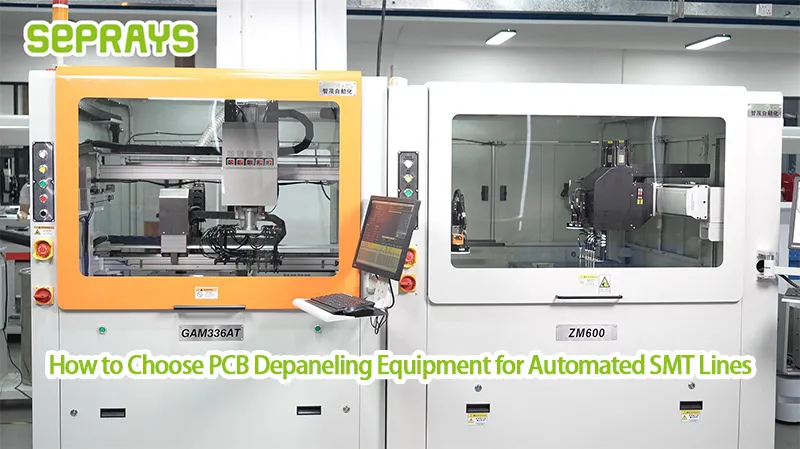
How to choose PCB depaneling equipment for automated SMT lines—this is usually not the first question engineers ask. It comes later, when the SMT line is already running fast, but something downstream can’t keep up. Boards pile up.Operators step in.Consistency drops. That’s when depaneling becomes a real decision point, not just a supporting process. ⚙️ Start from the SMT Line, Not the Machine A common mistake is choosing equipment based on specs alone. In automated SMT lines, what matters more is: Depaneling is not isolated.It must fit into the full production flow. Ask first: Without this, even the best machine won’t solve the problem. 🔍 Understand Your PCB Characteristics Different […]
Laser vs Router Depaneling for ADAS and EV Control Boards
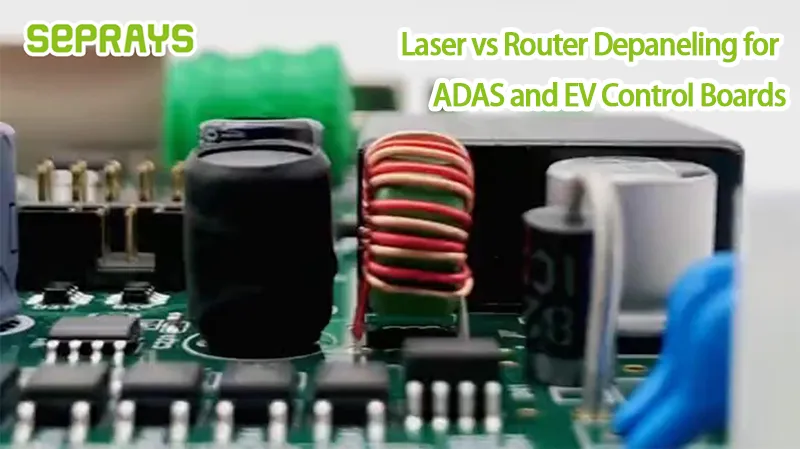
Laser vs router depaneling for ADAS and EV control boards is not just a technical comparison—it’s a decision that directly affects reliability, yield, and long-term performance. In automotive electronics, especially for ADAS modules and EV control units, even minor defects introduced during depaneling can lead to serious consequences down the line. So how do manufacturers choose between these two methods? 🚗 Why ADAS and EV Boards Demand More ADAS and EV control boards are different from standard PCBs. They often feature: This means the depaneling process must balance precision, stress control, and efficiency. Any compromise shows up later—in testing or in the field. ⚙️ Understanding Laser Depaneling Laser depaneling is […]
Inline PCB Depaneling Systems for Smart Factories
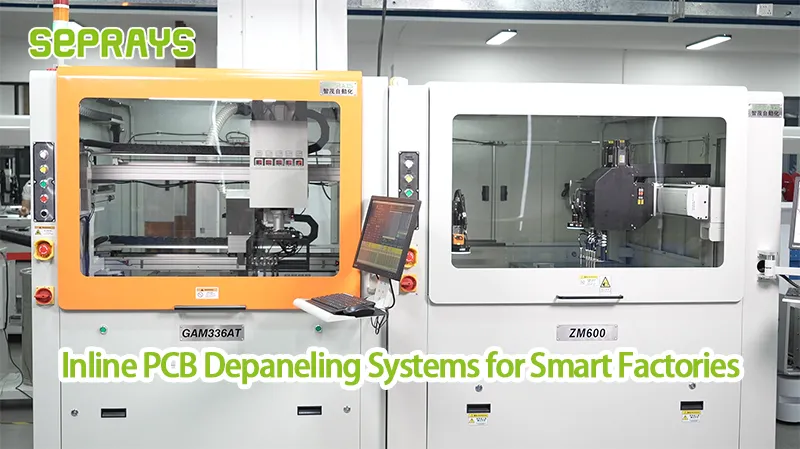
Inline PCB depaneling systems for smart factories are no longer just an upgrade option—they’re becoming a standard requirement. As production lines move toward full automation, the gap between SMT output and manual depaneling is increasingly difficult to ignore. Many factories don’t notice the problem at first.Until throughput drops.Or labor costs rise.Or quality becomes inconsistent. That’s where inline systems start to make sense. 🏭 Why Inline Depaneling Matters in Smart Manufacturing Smart factories are built on flow. Every process is connected.Every delay spreads downstream. Traditional offline depaneling creates friction: Inline PCB depaneling systems remove these gaps. Boards move directly from SMT to separation.No extra steps.No unnecessary pauses. ⚙️ Key Benefits of […]
Best PCB Depaneling Machines for EV and Automotive Electronics Manufacturing
Best PCB depaneling machines for EV and automotive electronics manufacturing—this isn’t just about equipment choice. It’s about reliability under harsh conditions, long product lifecycles, and zero tolerance for failure. In automotive electronics, even a small defect introduced during depaneling can lead to serious downstream risks. So the question becomes practical: which machines actually meet these demands? 🚗 Why Automotive PCBs Are Different Automotive and EV applications are not typical consumer electronics. They involve: Depaneling here is not just separation. It’s a quality control point. Any stress, burr, or micro-crack can compromise long-term performance. ⚙️ Key Challenges in EV PCB Depaneling From real production environments, several issues appear repeatedly: These are […]


