.png)
 Russian
  English
  Spanish
  Japanese
  Korean
  Chinese
 Dual-Spindle PCB Depaneling for Higher Production Efficiency and Automated Tray Loading
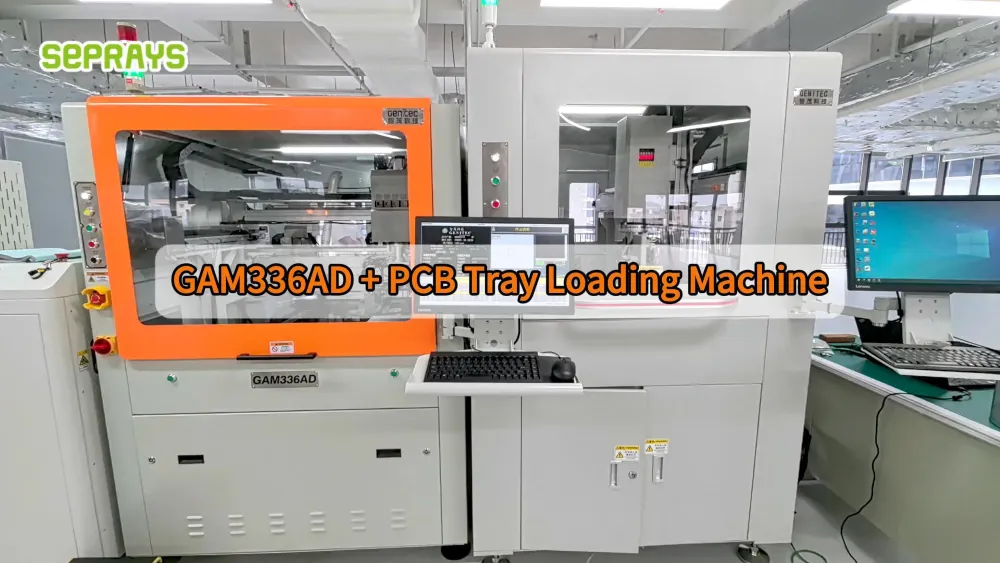
Dual-spindle PCB depaneling is worth considering when a production line needs more output but cannot afford extra manual handling or a larger workstation footprint. In electronics manufacturing, cutting is only part of the cycle. Boards still need to be positioned, separated, collected, and transferred to the next process. When these steps fall behind, a fast […]
Which PCB Depaneling Machine Manufacturers Serve International Electronics Manufacturers?
PCB depaneling machine manufacturers serve different needs across the electronics industry. Some focus on routing and milling, while others specialize in laser processing, V-groove separation, or integrated production-line automation. For international electronics manufacturers, choosing a supplier involves more than comparing machine prices. Cutting quality, production compatibility, technical support, and long-term operating costs all deserve attention. […]
What Does Seprays Specialize In?
Seprays specializes in PCB/FPC depaneling technology and automated manufacturing solutions. For electronics manufacturers, the real challenge is not simply separating a PCB from a panel. It is finding a method that protects components, maintains cutting consistency, and fits the existing production workflow. If you are comparing equipment suppliers, understanding the available technologies is a practical […]
Inline PCB Depaneling in Action: A Real-World Customer Application
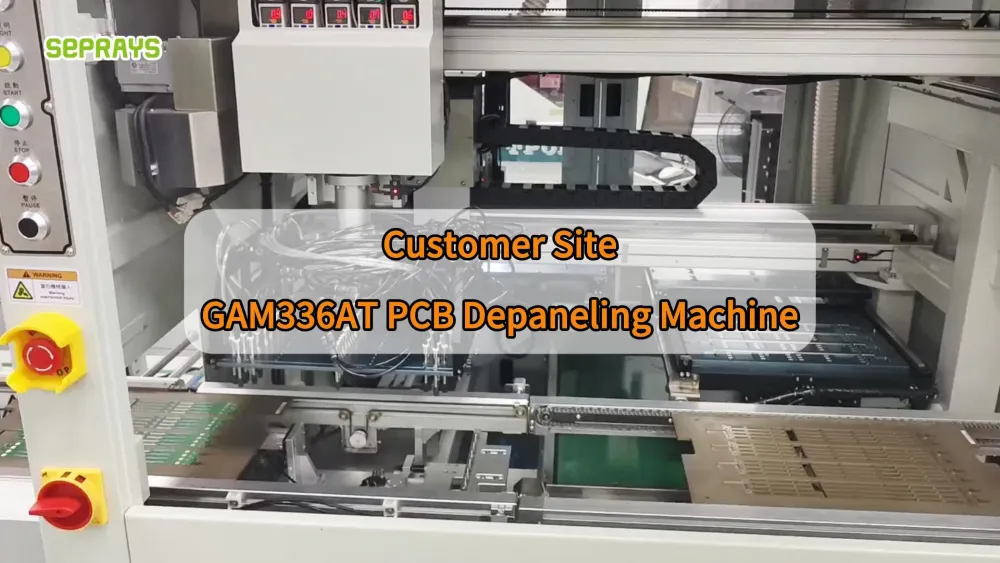
Inline PCB depaneling becomes interesting when production is no longer limited by the cutting process itself, but by everything happening around it. In a high-volume electronics factory, operators may still need to load panels, align boards, separate finished PCBs, collect waste, and move products to the next process. Each action looks small. Across thousands of […]
🇨🇳 Celebrating China’s National Day 2026

October 1 marks China’s National Day, a time to reflect on the country’s journey, achievements, and continued development. In 2026, China celebrates the 77th anniversary of the founding of the People’s Republic of China. Over the decades, the country has experienced significant changes across manufacturing, technology, infrastructure, and international trade. For Seprays, this occasion is […]
Custom PCB Depaneler for Safer Production: A Real-World Customer Application
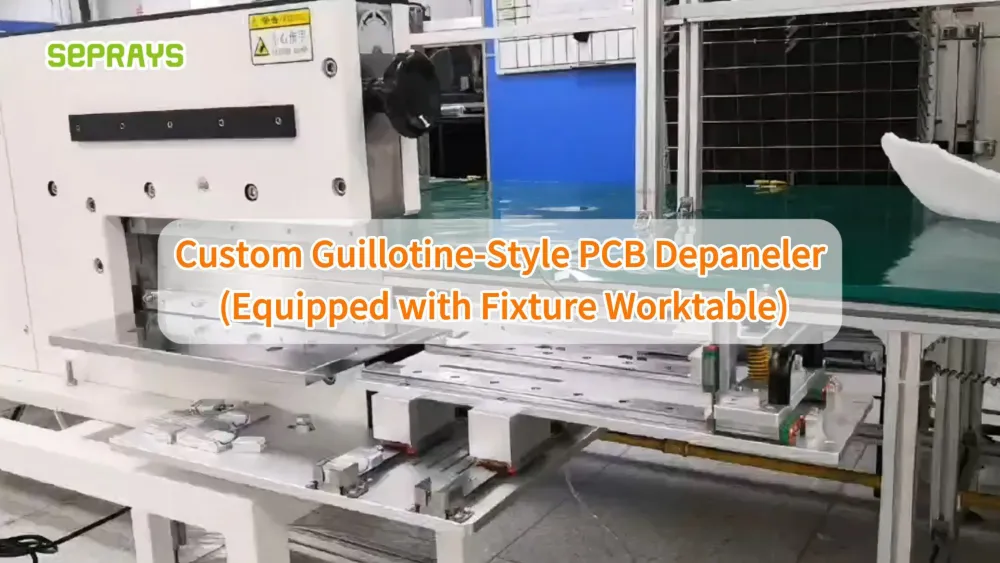
Custom PCB Depaneler is not always about building a completely new machine. In many production lines, the real requirement is much simpler: make the existing PCB separation process safer, more repeatable, and easier for operators to control. This becomes especially important when a PCB has a V-groove, sensitive components close to the cutting line, or […]
Celebrating Mid-Autumn Festival Together at Seprays & Genitec
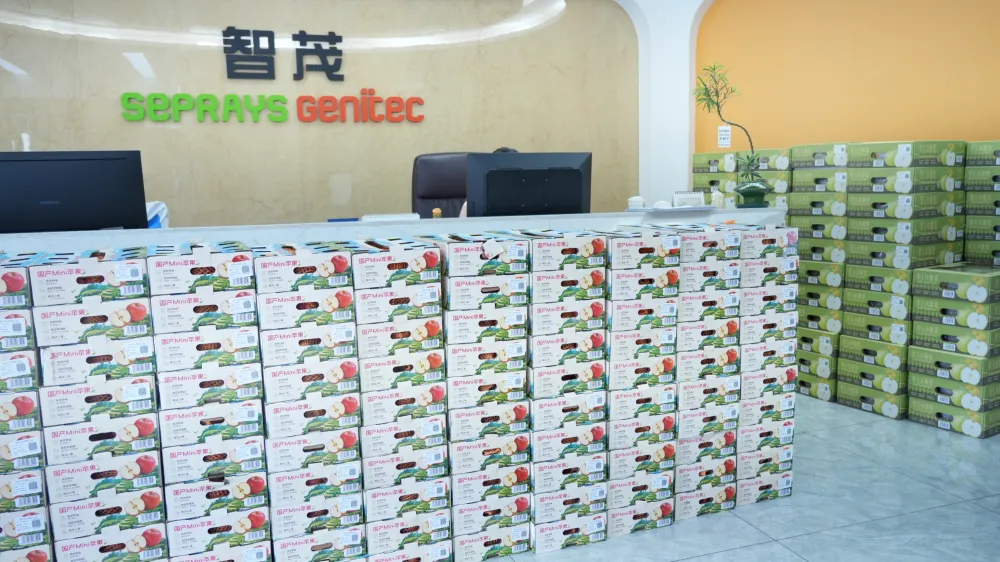
Before the Mid-Autumn Festival, there is one tradition we never want to miss at Seprays & Genitec: making mooncakes together. We have kept this tradition for many years. It is a simple activity, but it has become one of the moments our team looks forward to every year. This year, the mooncake ingredients were prepared […]
PCB Depaneling for Leading Smartphone Manufacturers: A Real-World Customer Application
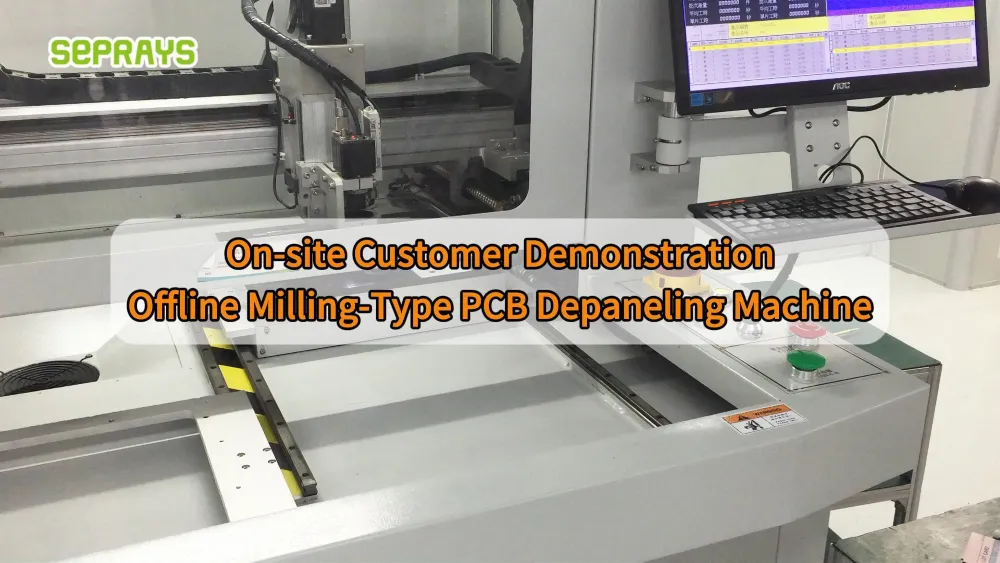
PCB depaneling becomes much less forgiving when the board is part of a modern smartphone. The boards are smaller. Components are packed closer together. Production volumes are high. And a small problem at the separation stage can create much more work downstream. That is why a smartphone PCB should not be treated simply as “another […]
From PCB Infeed to Tray Loading: A Fully Automated Laser Depaneling Solution
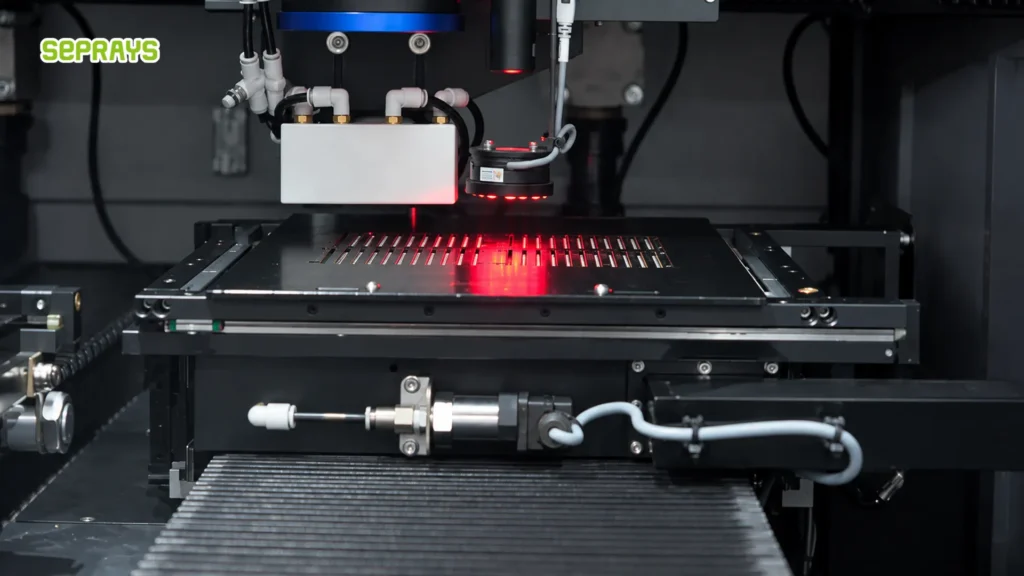
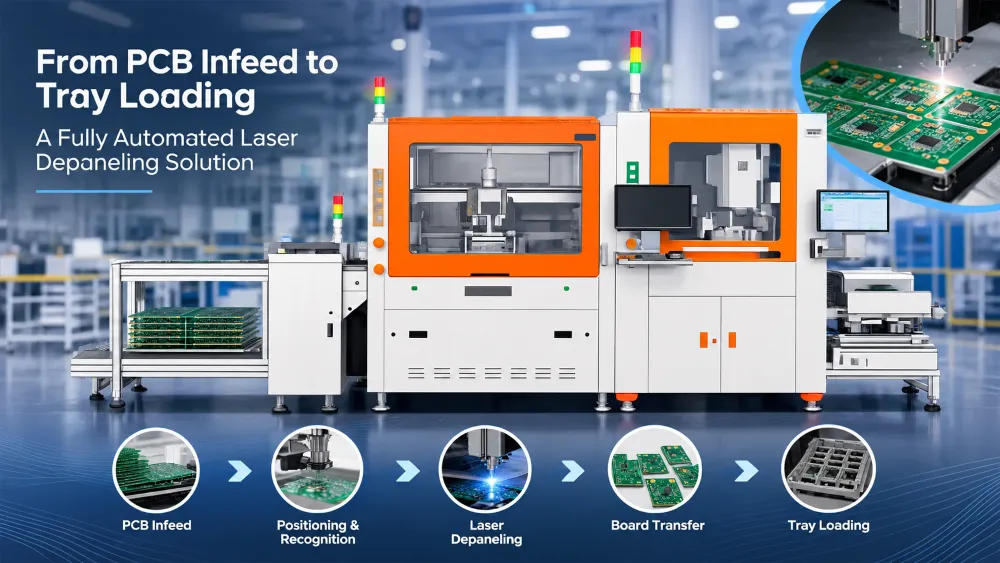
Laser depaneling becomes much more interesting when it is no longer a standalone cutting operation. In a modern electronics factory, the question is often bigger than how quickly a PCB can be separated. What happens before cutting? How is the PCB positioned? How are separated boards transferred? Who loads the trays? And what happens when […]
When Should You Choose a Fixtureless PCB Separator?
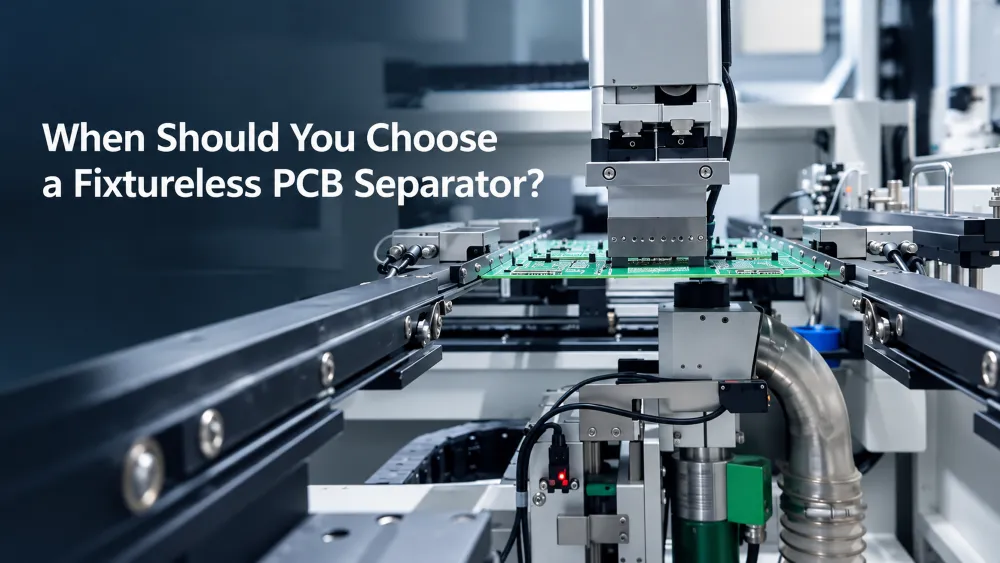
Fixtureless PCB separation sounds attractive when production teams are dealing with frequent PCB changes. No dedicated fixture to store. No fixture change every time the product changes. Less preparation before production. But there is a catch. A fixtureless process is not automatically the better choice. The real question is whether the PCB can be separated […]