.png)
 Russian
  English
  Spanish
  Japanese
  Korean
  Chinese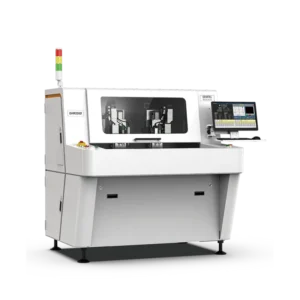
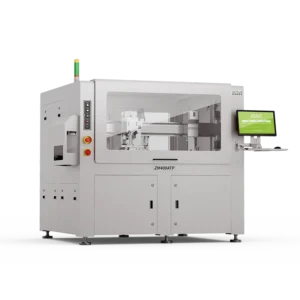
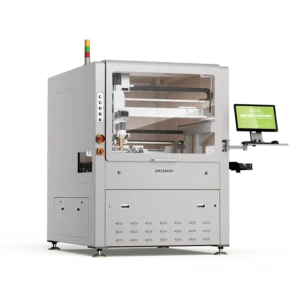





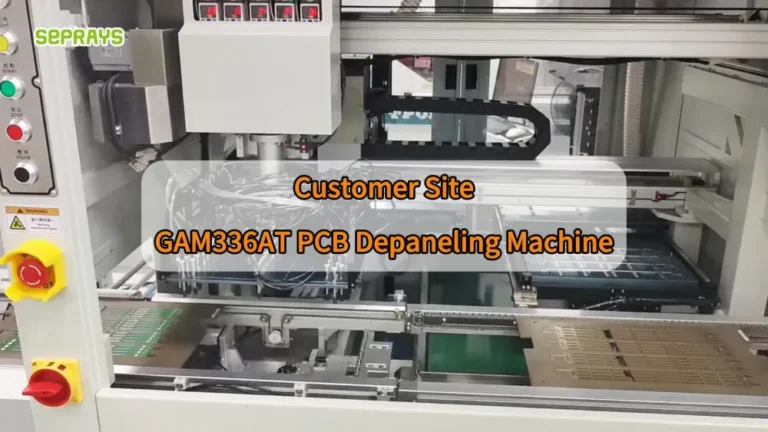
Inline PCB Depaneling in Action: A Real-World Customer Application
Inline PCB depaneling becomes interesting when production is no longer limited by the cutting process itself, but by everything happening around it. In a high-volume electronics factory, operators may still need to load panels, align boards, separate finished PCBs, collect waste, and move products to the next process. Each action looks small. Across thousands of cycles, it becomes a production problem. This is where an overseas semiconductor-related electronics manufacturer started reviewing its depaneling process. 🔍 The Production Problem Was Not Just Cutting The customer was producing assembled PCBs for applications where consistency mattered more than simply achieving a fast cutting cycle. The existing workflow involved several manual steps. Operators had to handle panels between processes, position them correctly, and move

🇨🇳 Celebrating China’s National Day 2026
October 1 marks China’s National Day, a time to reflect on the country’s journey, achievements, and continued development. In 2026, China celebrates the 77th anniversary of the founding of the People’s Republic of China. Over the decades, the country has experienced significant changes across manufacturing, technology, infrastructure, and international trade. For Seprays, this occasion is also an opportunity to appreciate the people, partners, and customers who have been part of our journey. As a manufacturer serving customers in international markets, we continue to focus on practical innovation, manufacturing capabilities, and long-term cooperation across borders. From PCB depaneling solutions to automated production equipment, our work is closely connected with the development of modern electronics manufacturing. 🌏 Looking Toward the Future A
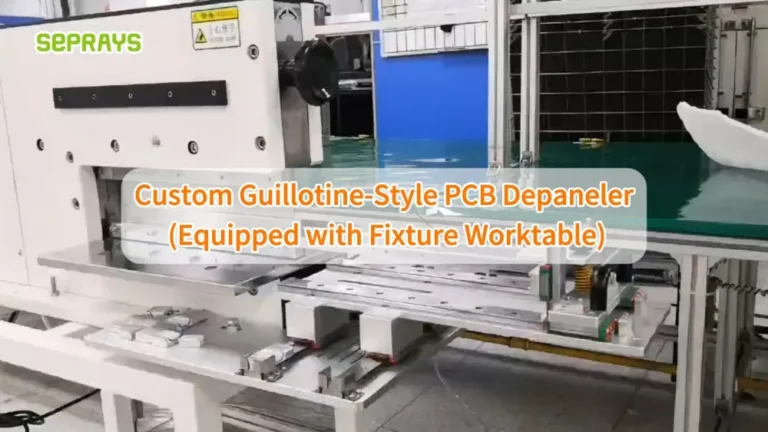
Custom PCB Depaneler for Safer Production: A Real-World Customer Application
Custom PCB Depaneler is not always about building a completely new machine. In many production lines, the real requirement is much simpler: make the existing PCB separation process safer, more repeatable, and easier for operators to control. This becomes especially important when a PCB has a V-groove, sensitive components close to the cutting line, or a production team that needs to run the same operation repeatedly throughout the day. A recent customer application involving an overseas semiconductor manufacturer is a good example. The customer was not simply looking for a machine that could cut a PCB. They wanted to reduce the risk of operator error while keeping the separation process stable. That changed the way the solution was designed. 🔎
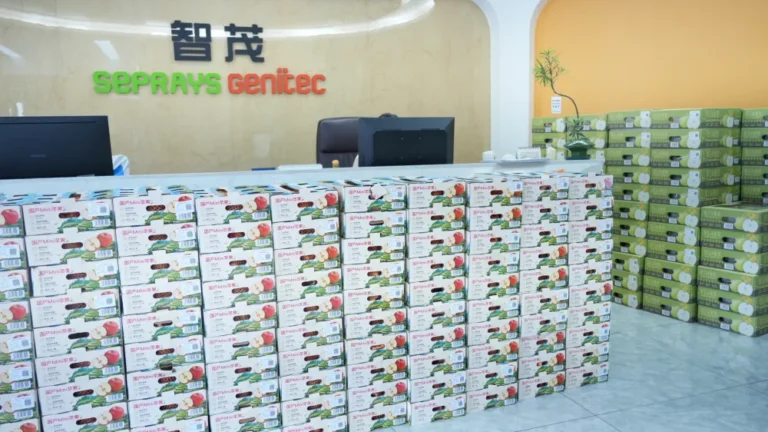
Celebrating Mid-Autumn Festival Together at Seprays & Genitec
Before the Mid-Autumn Festival, there is one tradition we never want to miss at Seprays & Genitec: making mooncakes together. We have kept this tradition for many years. It is a simple activity, but it has become one of the moments our team looks forward to every year. This year, the mooncake ingredients were prepared by Guangzhou Restaurant, with a variety of flavors including custard, chestnut, mixed nuts, lotus seed paste with salted egg yolk, and even Dove chocolate. And then there was one particularly unusual flavor: preserved egg mooncakes. Before we even started, the discussion had already begun. “Which flavor will be the best?” “Who is brave enough to try the preserved egg one first?” The room quickly filled