.png)
 Japanese
  English
  Spanish
  Korean
  Russian
  Chinese
 Common Mistakes When Choosing a PCB Depaneling Machine
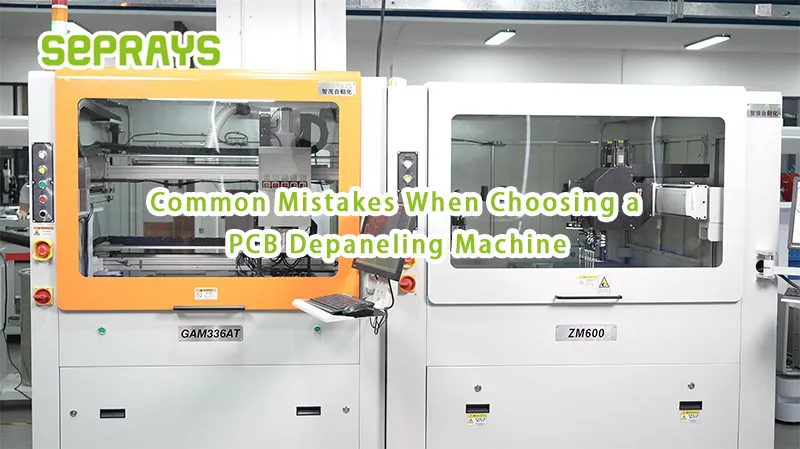
Common mistakes when choosing a PCB depaneling machine often don’t show up during evaluation. They appear later—on the production floor, during peak orders, or worse, in product failures. At that point, switching is expensive.And sometimes too late. 🔍 Why These Mistakes Keep Happening Most decisions are made under pressure: So teams focus on what is easy to compare: But real performance depends on something else. Application fit. ⚙️ Mistake #1 — Choosing Based on Price Alone This is the most common—and most costly. Low-cost machines may seem attractive, but often lead to: Counterintuitive insight:The cheapest machine can become the most expensive one over time. Because cost is not just the […]
How to Choose a PCB Depaneling Supplier for Your Factory

How to choose a PCB depaneling supplier for your factory is not just a procurement task. It’s a long-term production decision. The wrong choice doesn’t only affect cutting quality—it impacts yield, efficiency, and even delivery schedules. Many factories realize this too late.Usually, after problems start showing up on the line. 🔍 Why Supplier Choice Matters More Than You Think At first glance, most depaneling machines look similar. But in real production, differences appear quickly: The supplier is not just selling equipment.They are shaping your process capability. ⚙️ Start from Your Production Reality (Not the Machine) Before comparing suppliers, define your own conditions: Without this, even the best machine may not […]
How to Optimize PCB Router Depaneling for High-Mix Production
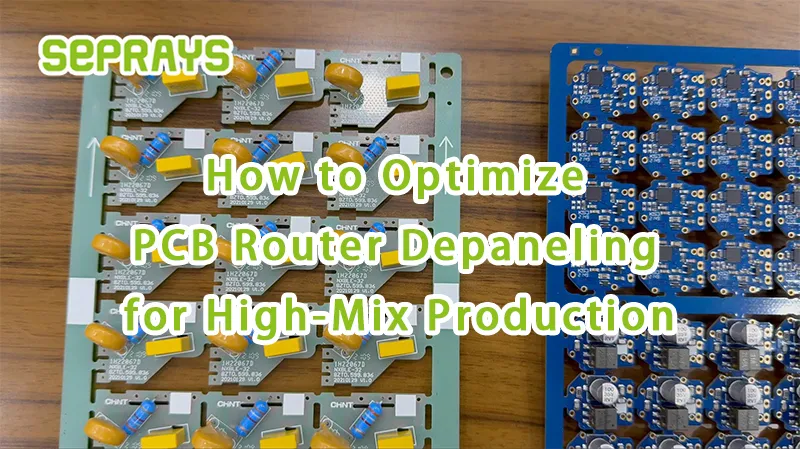
How to optimize PCB router depaneling for high-mix production is becoming a daily question in many SMT factories. Not because machines are slow, but because product changeovers are getting more frequent than ever. One line. Multiple products. Constant switching.And every switch costs time. 🔍 Why High-Mix Production Slows Down Your Line High-mix PCB manufacturing is not just a production model—it is a scheduling challenge. Most engineers face the same problems: The real issue is not cutting speed.It is setup inefficiency. Even a few minutes lost per changeover quickly becomes hours per day. ⚙️ The Hidden Bottleneck — Manual Setup In many router depaneling lines, setup still depends heavily on manual […]
Is Saw Blade PCB Depaneling Still the Fastest Method for Mass Production?
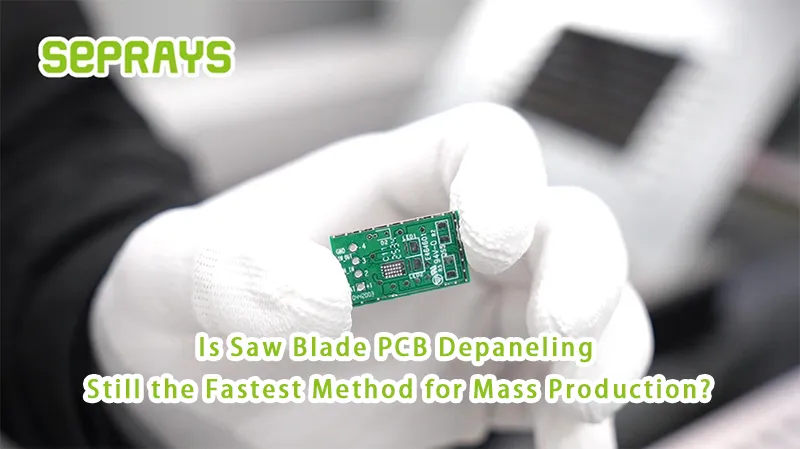
In the fast-paced world of PCB (Printed Circuit Board) manufacturing, speed is of the essence. As production lines demand faster and more efficient processes, PCB depaneling methods must keep up. Saw blade depaneling has long been a go-to method, but is it still the fastest in 2026? Let’s dive into how saw blade depaneling stacks up against newer techniques and explore whether it’s still the best choice for mass production. 🛠️ What Is Saw Blade PCB Depaneling? Saw blade PCB depaneling is a mechanical method used to separate individual PCBs from a larger panel. This process involves using a rotating saw blade to cut through the panel, making it a […]
Is PCB Router Depaneling Still the Most Cost-Effective Method in 2026?

As the demand for faster, more precise, and cost-effective PCB production rises, the question of whether PCB router depaneling remains the most cost-effective method in 2026 has become increasingly relevant. In this post, we’ll explore how the PCB router depaneling method holds up in the current manufacturing landscape and compare it with newer technologies, helping you make an informed decision for your production line. 🔍 What is PCB Router Depaneling? PCB router depaneling involves using a high-speed rotating cutter to separate individual PCBs from the larger panel. It’s been a staple in the industry for decades because of its versatility and cost-effectiveness for various applications, from low to medium-volume production […]
Industry 4.0 in PCB Depaneling: What Equipment Do You Really Need?
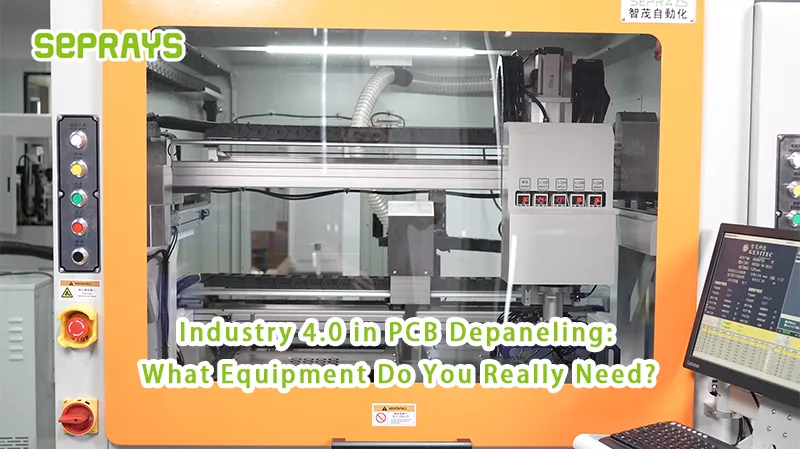
Industry 4.0 in PCB depaneling is often discussed in big terms—smart factories, digital twins, full automation. But on the shop floor, the real question is simpler: what equipment actually makes a difference? Not every upgrade delivers value.And not every factory needs the same setup. 🔍 What Industry 4.0 Means for Depaneling In practical terms, Industry 4.0 is about: For PCB depaneling, this translates into: The goal is not complexity.It’s control and consistency. ⚙️ The Core Equipment You Actually Need Not all equipment labeled “Industry 4.0” is essential. From real production experience, the following matter most: 1. Inline Depaneling Machine This is the foundation. 2. Vision Alignment System Precision matters more […]
Inline PCB Depaneling Machines: What Engineers Are Looking for in 2026
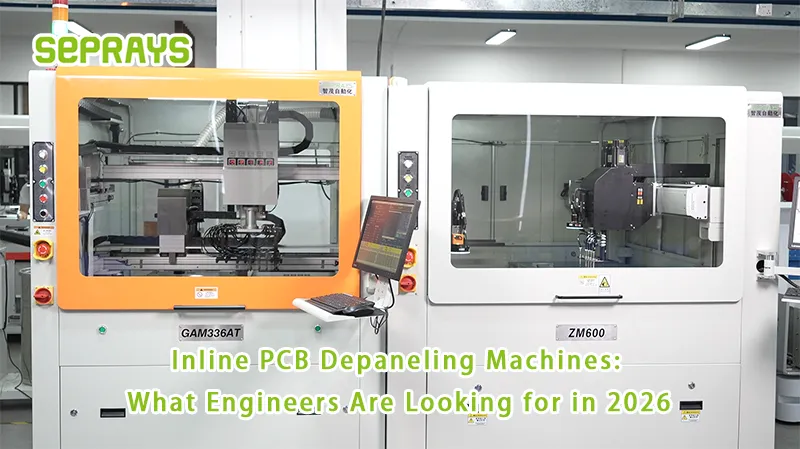
Inline PCB depaneling machines are no longer just an optional upgrade in SMT lines. In 2026, they will become a standard requirement. As production moves toward automation and smart factories, engineers are paying closer attention to how depaneling fits into the entire workflow. It’s no longer about cutting boards faster.It’s about cutting them smarter. 🔍 Why Inline Depaneling Is Gaining Attention Traditional offline depaneling creates gaps in the production flow. Common issues include: Inline PCB depaneling machines solve these problems by integrating directly into SMT lines. The result is a more continuous and controlled process. ⚙️ What Engineers Expect in 2026 Expectations have shifted. Engineers today are not just looking […]
Why Laser PCB Depaneling Is Growing in Modern Electronics Manufacturing (Explained)
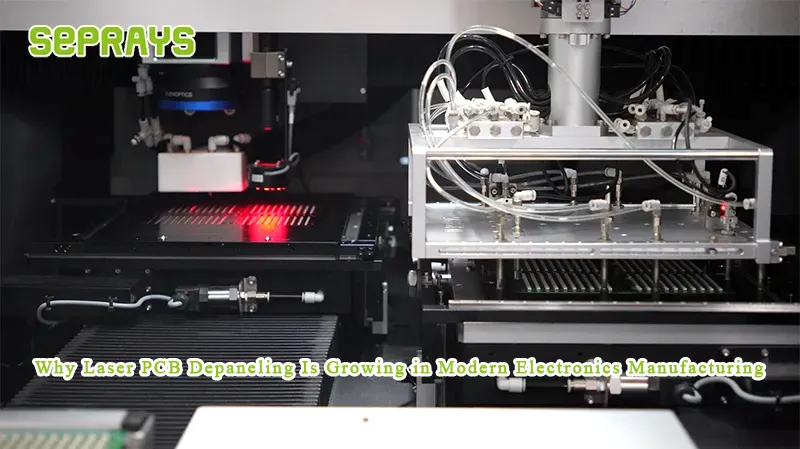
Why laser PCB depaneling is growing in modern electronics manufacturing is something many engineers are noticing on the shop floor. It’s not a trend driven by marketing. It’s driven by real production pressure—smaller devices, tighter layouts, and higher reliability requirements. In the past, mechanical depaneling worked well enough.Today, “good enough” is no longer enough. 🔍 What’s Changing in Electronics Manufacturing Modern electronics are evolving fast. Key shifts include: These changes expose the limits of traditional depaneling methods. What used to be a minor step is now a critical process. ⚙️ The Limits of Mechanical Depaneling Mechanical methods—such as router, saw, and punching—are still widely used. But they come with challenges: […]
Laser vs Mechanical Depaneling: Top Methods for High‑Density PCBA in 2026
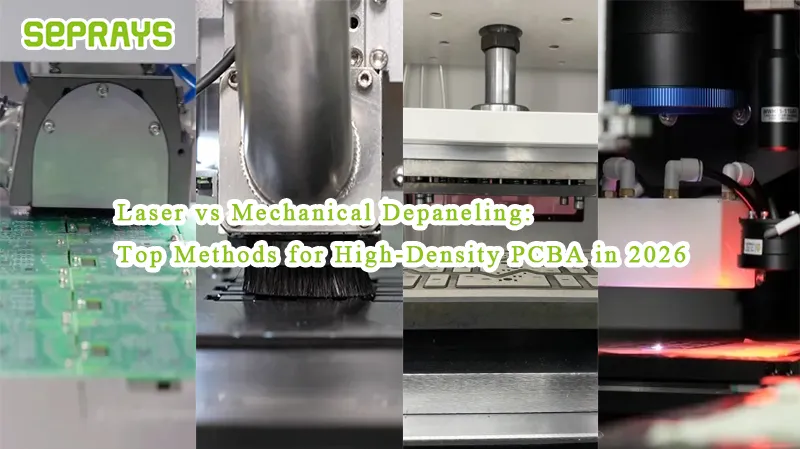
Laser vs mechanical depaneling has become a key discussion among PCB assembly engineers in 2026. With PCBs getting denser and components smaller, selecting the right depaneling method directly affects yield, cost, and reliability. Understanding the trade-offs between laser and mechanical approaches can save manufacturers from costly defects. 🔹 Why Depaneling Choice Matters Depaneling is not just cutting boards.It affects: High-density PCBA, especially for EVs, medical devices, and advanced consumer electronics, demands precise handling. Mistakes here can ripple downstream. ⚡ Mechanical Depaneling — Saw, Router, and Punch Mechanical depaneling remains widely used due to: Common Issues: Optimization Tips: Mechanical methods work well for standard PCBs but struggle with fragile or flexible […]
Common PCB Depaneling Problems and Solutions
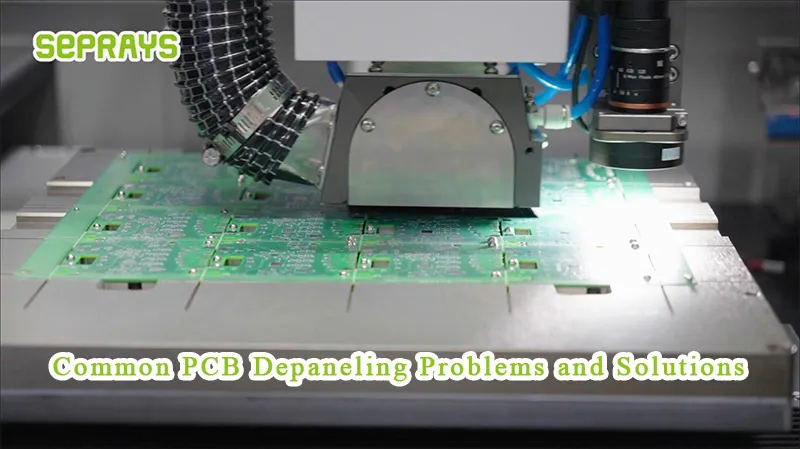
Common PCB depaneling problems and solutions often come into focus only after yield starts to drop. At first, everything looks fine—SMT runs smoothly, inspection passes. Then small issues begin to appear. Edge cracks. Component failures. Inconsistent quality. Depaneling is usually the last step.But it can undo everything done before. 🔍 Why Depaneling Problems Are Often Overlooked Depaneling doesn’t always show immediate defects. Many issues are: This makes troubleshooting difficult. And often, the root cause points back to how the PCB was separated. ⚙️ Problem 1 — Mechanical Stress Damage One of the most common issues. Symptoms include: Cause: Solution: Stress cannot be eliminated.But it can be controlled. 💥 Problem 2 […]