Japanese
 English
 Spanish
 Korean
 Russian
 Chinese
APEC 2026 may influence how electronics manufacturers plan their supply chains, invest in automation, and evaluate production equipment.
For factory managers, the question is practical: Will regional cooperation make manufacturing more predictable, or will factories still need to solve efficiency problems themselves?
The answer is likely both.
The APEC Economic Leaders’ Meeting took place in Shenzhen, China, on November 18–19, 2026, with openness, innovation, and cooperation among its central priorities. APEC
But regional policy discussions do not automatically translate into lower production costs.
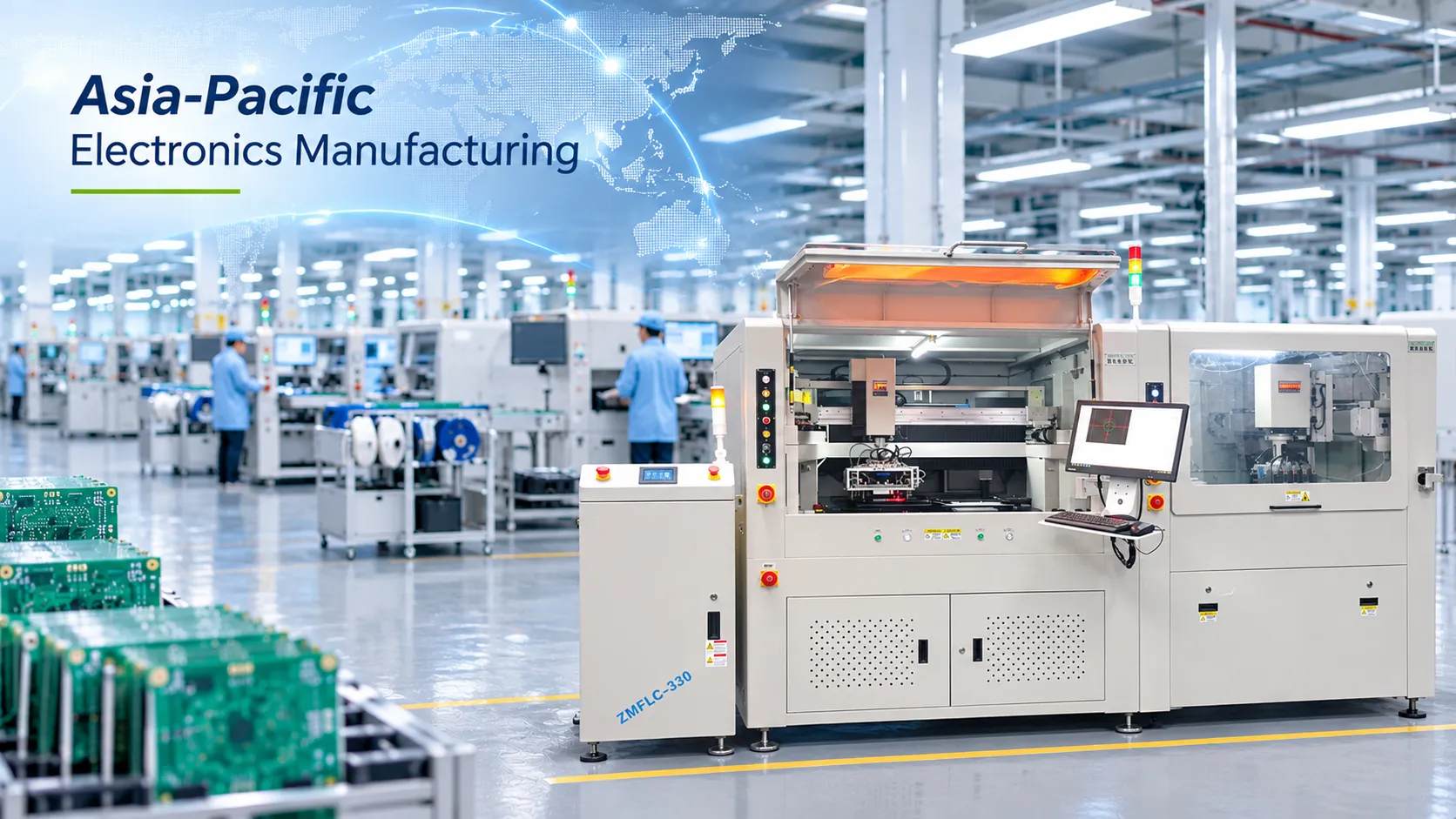
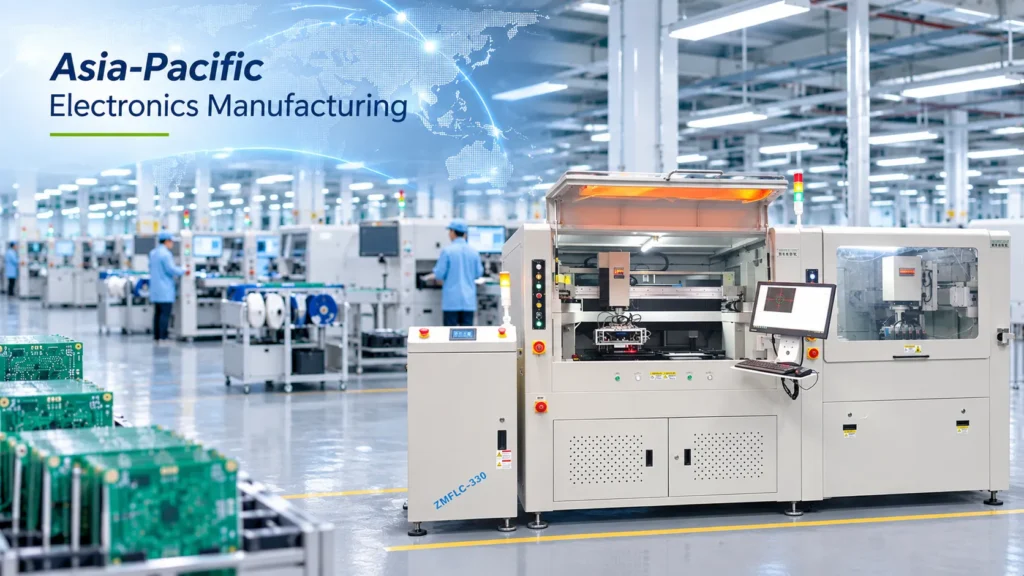
Illustrative image: Asia-Pacific electronics manufacturing and automation. Not a photograph of an APEC event or a documented customer installation.
🏭 Why Does APEC Matter to Electronics Manufacturers?
Electronics manufacturing depends on interconnected supply chains.
A PCB may be fabricated in China, assembled in Vietnam, and integrated into a finished product in Mexico.
Even small disruptions can affect delivery schedules.
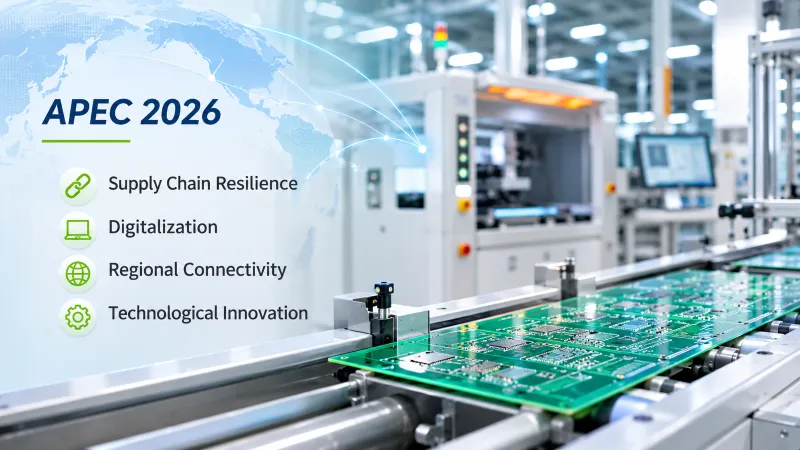
The 2026 Shenzhen Leaders’ Declaration emphasized supply chain resilience, digitalization, regional connectivity, and technological innovation. APEC
For electronics factories, these priorities raise three questions:
- Can suppliers maintain consistent delivery?
- Can production lines adapt to changing demand?
- Can automation improve quality without excessive investment?
These questions matter more than political headlines.
🌏 Three Changes Manufacturers Should Watch
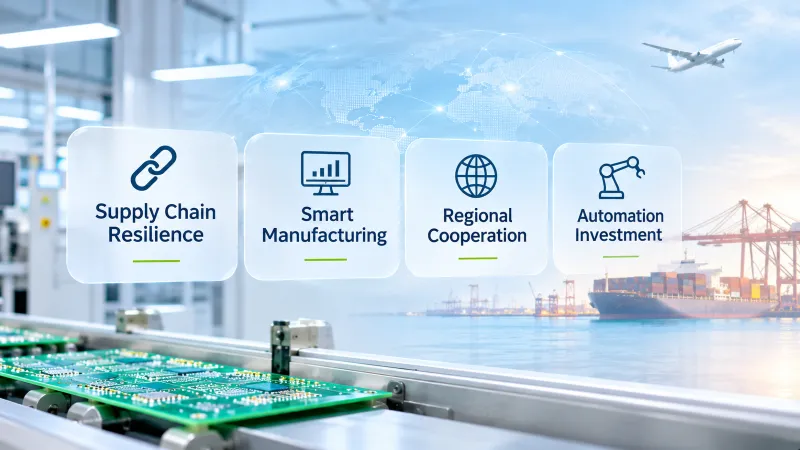
| Industry Trend | Potential Impact | Practical Response |
|---|---|---|
| Supply Chain Resilience | Greater focus on supplier reliability | Qualify alternative suppliers |
| Smart Manufacturing | More interest in digital production | Evaluate MES and traceability |
| Regional Cooperation | Opportunities for cross-border sourcing | Verify logistics and service support |
| Automation Investment | Pressure to improve productivity | Measure total production cost |
These are possible business implications, not guaranteed policy outcomes.
APEC cooperation is voluntary and non-binding. Companies should evaluate actual regulations and market conditions before making investment decisions. APEC
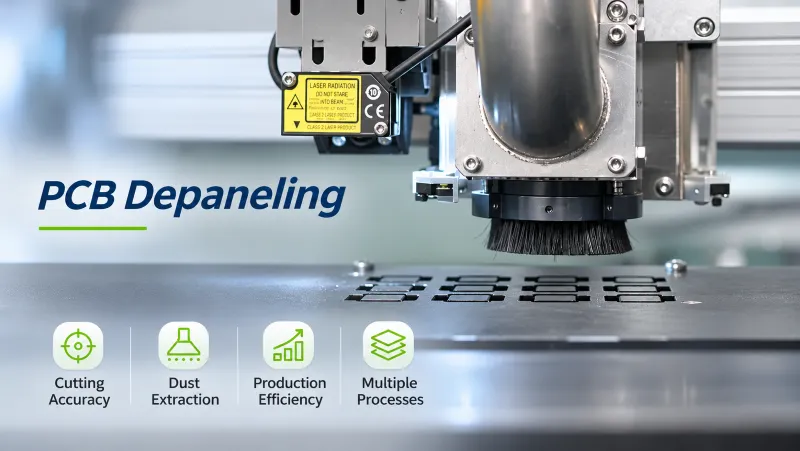
⚙️ Why PCB Depaneling Deserves More Attention
SMT production does not end when components are soldered.
PCB separation is another critical stage.
Excessive cutting stress may affect solder joints. Poor dust extraction can create contamination risks.
Manual handling also adds time between production stages.
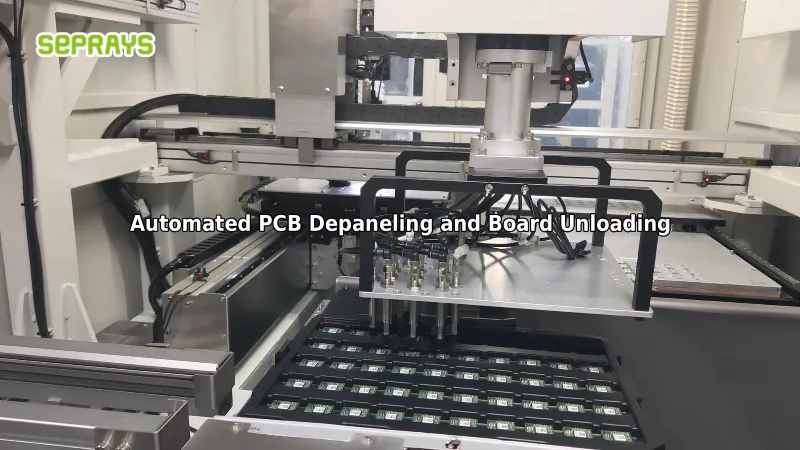
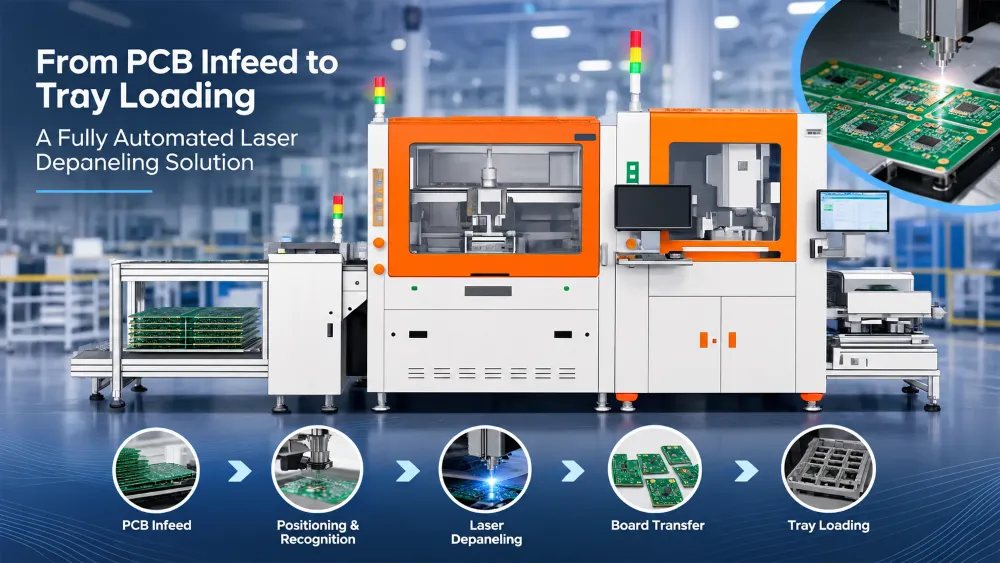
This is one reason manufacturers evaluate automated PCB depaneling equipment.
For example, SEPRAYS offers router, laser, V-groove, and punching solutions alongside automated material handling.
However, no single cutting technology fits every PCB.
The correct process depends on board material, component clearance, cutting geometry, and production volume.
💰 Is More Automation Always Worth the Investment?
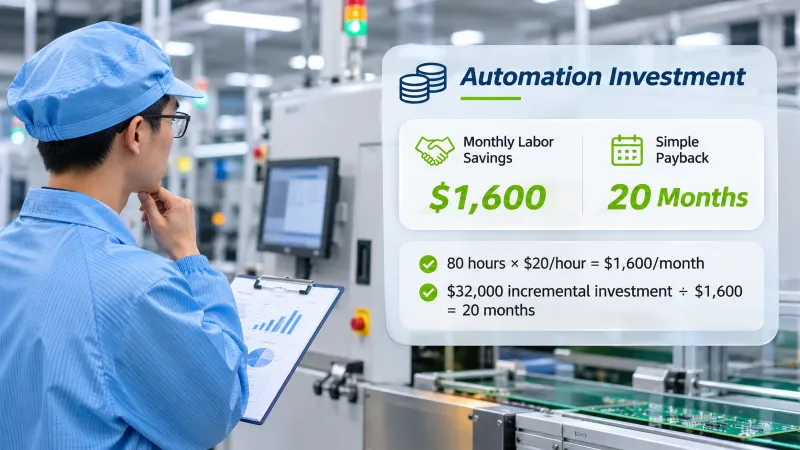
Consider a hypothetical EMS factory processing 30,000 PCB assemblies monthly.
Its engineering team estimates that automated handling could save 80 labor hours each month.
Illustrative financial calculation
Monthly labor savings
$1,600
Simple payback
20 months
80 hours × $20/hour = $1,600/month
$32,000 incremental investment ÷ $1,600 = 20 months. Excludes maintenance, consumables, electricity, downtime, financing, and possible quality-related savings.
The surprising conclusion?
A fully automated line is not always the most economical option.
For smaller production batches with frequent product changes, a flexible offline machine may deliver better overall value.
🌍 A Practical Scenario: An EMS Factory in Penang, Malaysia
Imagine an electronics manufacturer in George Town, Penang, Malaysia, producing industrial control boards.
Its existing PCB separation process requires manual loading and unloading.
As customers request more predictable production schedules, the factory considers upgrading its depaneling process.
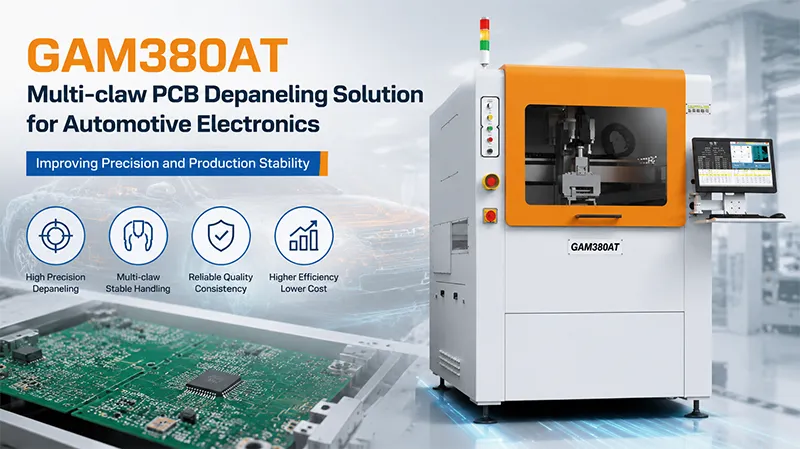
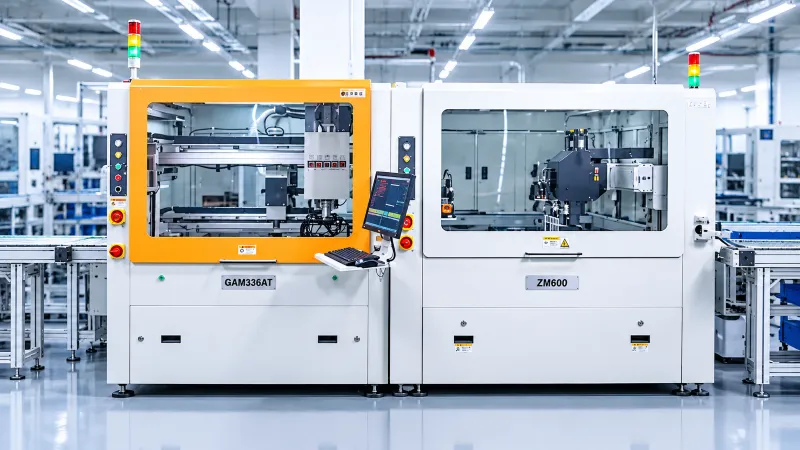
The engineering team evaluates a SEPRAYS GAM336AT inline PCB router.
Rather than focusing on spindle speed, the team defines four acceptance criteria:
- PCB edge quality and component clearance.
- Complete cycle time, including loading and unloading.
- Dust extraction and cutter maintenance.
- Conveyor integration and production traceability.
The evaluation may reveal that reducing handling delays matters more than increasing cutting speed.
This is an illustrative scenario, not a documented SEPRAYS customer installation in Penang. Actual performance requires sample cutting and production testing.
🔍 What Should Overseas Buyers Verify?
Regional manufacturing cooperation may create new sourcing opportunities, but equipment purchasing still requires technical verification.
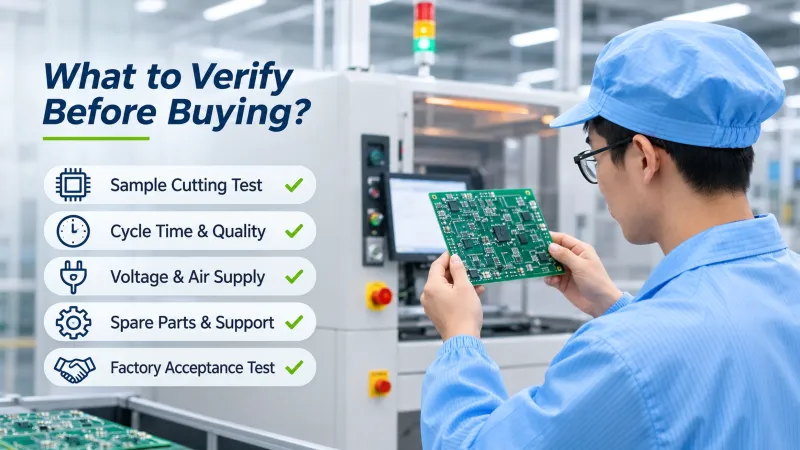
Before ordering, buyers should request:
- Sample cutting with actual production panels.
- Measured cycle time and cutting-quality results.
- Confirmation of voltage and compressed-air requirements.
- Spare-parts availability and overseas technical support.
- Factory acceptance testing with measurable criteria.
For international projects, also confirm installation responsibilities, warranty terms, and shipping arrangements.
A supplier’s willingness to explain technical limitations is often more useful than a polished demonstration.
🚀 What Comes After Shenzhen?
The next stage is implementation.
The Shenzhen declaration welcomed a trade digitalization cooperation framework for 2027–2030 and emphasized resilient supply chains and digital technologies. APEC
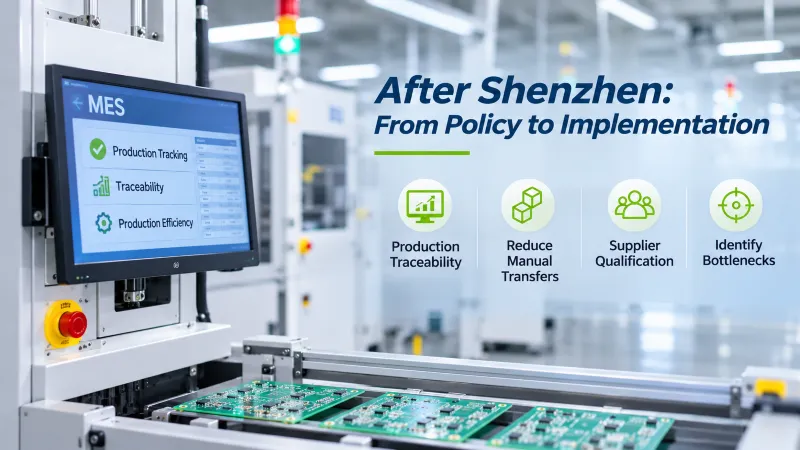
For electronics manufacturers, practical preparation could include improving production traceability, reducing manual transfers, and strengthening supplier qualification.
But buying new equipment solely because automation is becoming more important would be a mistake.
Factories should first identify their bottlenecks.
🏆 Why Choose SEPRAYS?
Founded in 1993, Seprays Group has spent more than 30 years developing PCB/FPC depaneling technology and manufacturing solutions.
Its portfolio includes milling-cutter routers, laser depaneling, V-groove separation, punching equipment, and automated loading and unloading systems.
SEPRAYS identifies major manufacturers and organizations among its customers, including Foxconn, Flextronics, Luxshare, Compal, Wistron, Quanta, Bosch, and others.
The engineering challenge is not simply cutting a PCB faster.
It’s about helping manufacturers separate assembled boards consistently, reduce unnecessary handling, and support production-line integration.
That practical need helps explain why SEPRAYS develops multiple depaneling technologies rather than relying on one cutting method.
Its engineering team can evaluate PCB drawings, panel dimensions, cutting paths, production volumes, and downstream handling requirements.
Looking to improve your PCB depaneling process?
連絡先 Seprays Group to discuss your application, request an equipment recommendation, or arrange a PCB sample evaluation.
WhatsApp: +8618929266433
Eメール: sales@seprays.com
❓ FAQ
1. How could APEC 2026 affect electronics manufacturing?
It may encourage greater cooperation in supply chains, digitalization, and innovation. Actual business impacts will depend on subsequent policies and company decisions.
2. Will regional cooperation reduce PCB manufacturing costs?
Not necessarily. Labor, materials, energy, logistics, and equipment utilization remain important cost factors.
3. Why is PCB depaneling important for SMT production?
It affects board quality, mechanical stress, production throughput, and downstream handling.
4. Should factories choose inline or offline depaneling?
Inline systems may suit stable, higher-volume production. Offline equipment can offer flexibility for smaller batches and frequent changeovers.
5. How can manufacturers prepare for future automation?
Start with production data, identify bottlenecks, test actual PCB samples, and calculate total ownership costs before investing.