.png)
 Korean
  English
  Spanish
  Japanese
  Russian
  Chinese
SMT Line PCB Depaneling Solution selection has become a recurring discussion point as production lines handle thinner boards, higher component density, and stricter reliability requirements. Rather than chasing a single “best” technology, experienced engineers increasingly ask a more practical question: which solution fits the SMT line’s real operating conditions? This article summarizes lessons shared across global production environments.
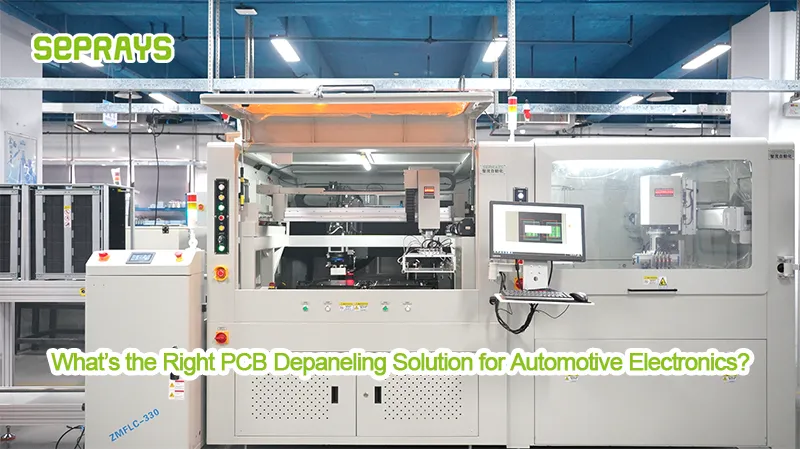
⚙️ 라우터 구분 — Process Flexibility for Mixed Production
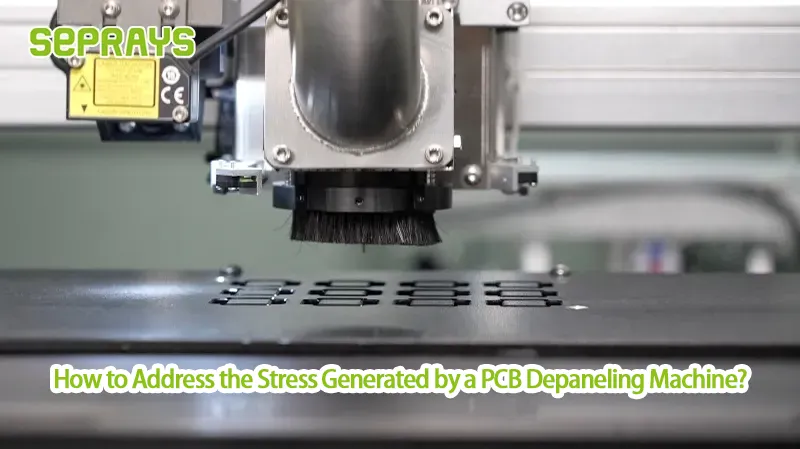
Router-based depaneling is often chosen when SMT lines encounter frequent product changes or complex PCB layouts. Its main strength lies in adaptability.
Engineers typically value:
- Precise contour cutting for irregular designs
- Better stress distribution compared with snapping methods
- Easy integration into inline automation
However, real-world experience shows that routing performance depends heavily on mechanical rigidity, spindle quality, and dust control. Without these, accuracy can drift over long production cycles.

🔥 레이저 구분 — Stress-Free Cutting with Trade-Offs
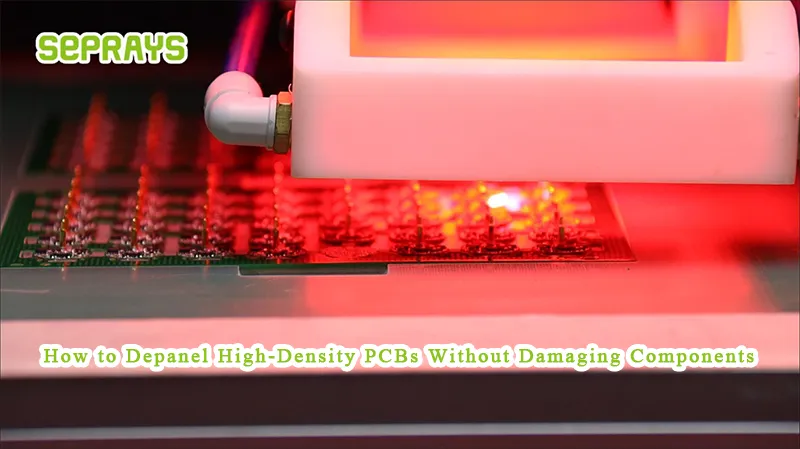
Laser depaneling attracts attention in high-density and thin-board applications where mechanical force must be minimized.
Observed advantages include:
- No direct mechanical contact
- Excellent edge quality for sensitive components
- Stable repeatability for fine features
That said, SMT teams often mention limitations such as higher capital cost, thermal influence on certain materials, and stricter safety requirements. As a result, laser solutions are commonly reserved for high-value or highly sensitive products.

🪚 V-Cut Depaneling — Efficiency in High-Volume Lines
V-cut depaneling remains widely used in high-volume SMT lines with standardized panel designs. Its appeal lies in simplicity and speed.
Practical benefits reported:
- Fast cycle time
- Minimal programming effort
- Lower initial investment
The main concern continues to be mechanical stress. Engineers stress the importance of controlled break force, proper score depth, and disciplined PCB design to avoid downstream reliability issues.

📉 Cost Analysis — Beyond Equipment Price
Across regions, production managers emphasize that cost evaluation must extend beyond purchase price.
Hidden cost factors often include:
- Yield loss from stress-related defects
- Tool wear and replacement downtime
- Additional inspection or cleaning steps
- Rework discovered during reliability testing
Several SMT lines reported that choosing a slightly higher-cost but more stable depaneling process reduced total cost per board within the first year.

🏭 Case Observations from Global SMT Lines
- Automotive electronics: Preference for low-stress, traceable depaneling
- Consumer electronics: Balance between speed and yield protection
- Industrial controls: Emphasis on durability and consistency
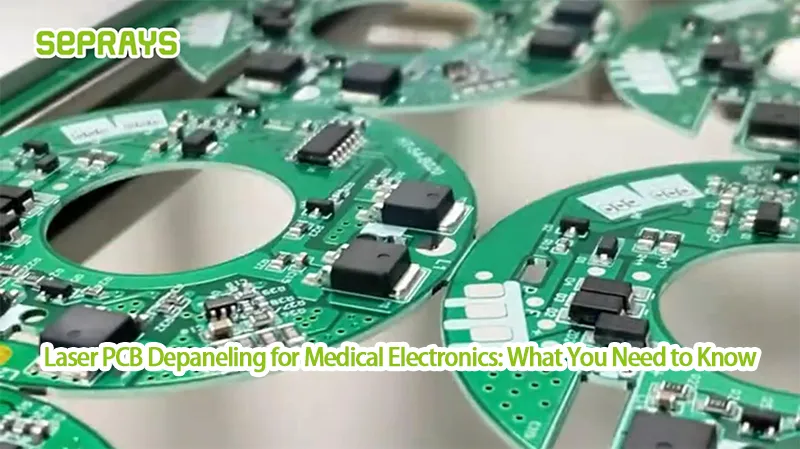
- Medical devices: Strong focus on cleanliness and repeatability
Despite different priorities, all cases point to the same conclusion: depaneling decisions directly affect long-term product quality.
🧩 How Engineers Decide What “Fits Best.”
Rather than ranking technologies, experienced teams evaluate:
- PCB thickness and component proximity to edges
- Required production flexibility
- Long-term stability and maintenance needs
- Compatibility with inline SMT processes
This approach shifts depaneling from a purchasing decision to a process-engineering discussion.
Why Choose Seprays Group?
Seprays Group provides router, laser, and V-cut depaneling solutions developed with a focus on industrial quality, durability, and long-term process stability. Our goal is to help SMT lines choose solutions that fit real production needs rather than short-term metrics.
If you would like to discuss your SMT depaneling challenges or explore suitable solutions, please feel free to contact us.
WhatsApp: +8618929266433
E-mail: sales@seprays.com