.png)
 Russian
  English
  Spanish
  Japanese
  Korean
  Chinese
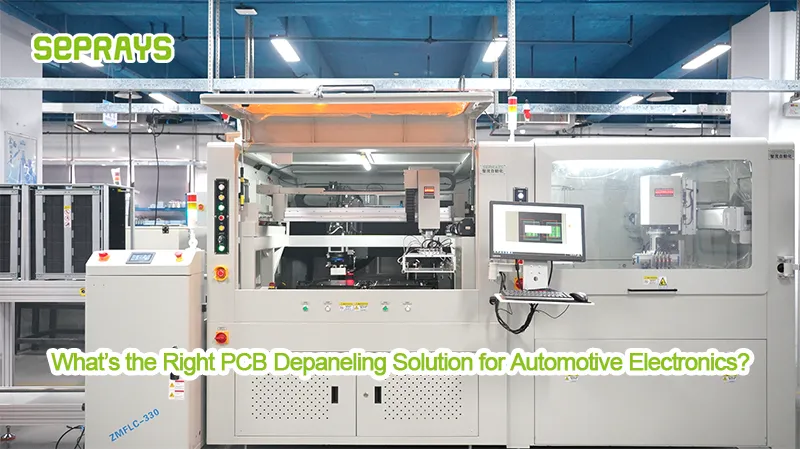
The comparison between Automatic PCB Router Machines и V-Cut Systems is a topic frequently discussed among global SMT engineers, especially as PCB designs become thinner, denser, and more reliability-driven. While both technologies remain widely used, real production experience shows that the choice is rarely about speed alone—it is about long-term process stability, stress control, and total cost of ownership.
🧱 Mechanical Impact — Stress Is the First Decision Point
From an engineering perspective, the core difference lies in how each method applies force to the PCB.
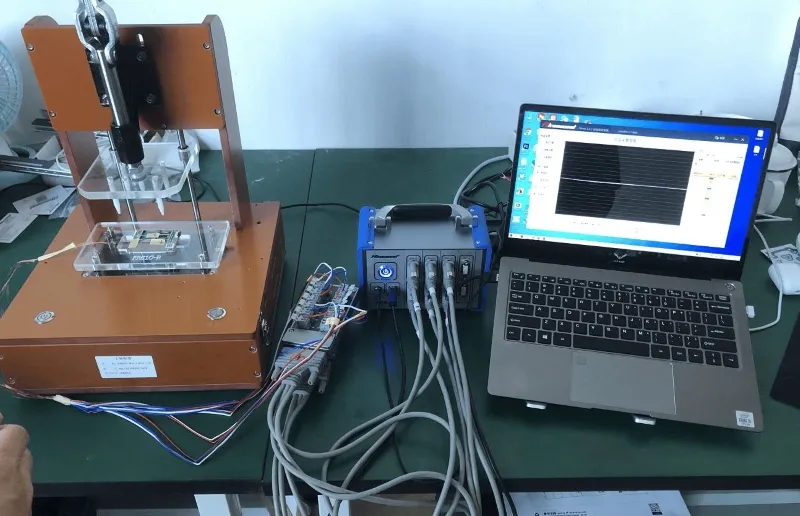
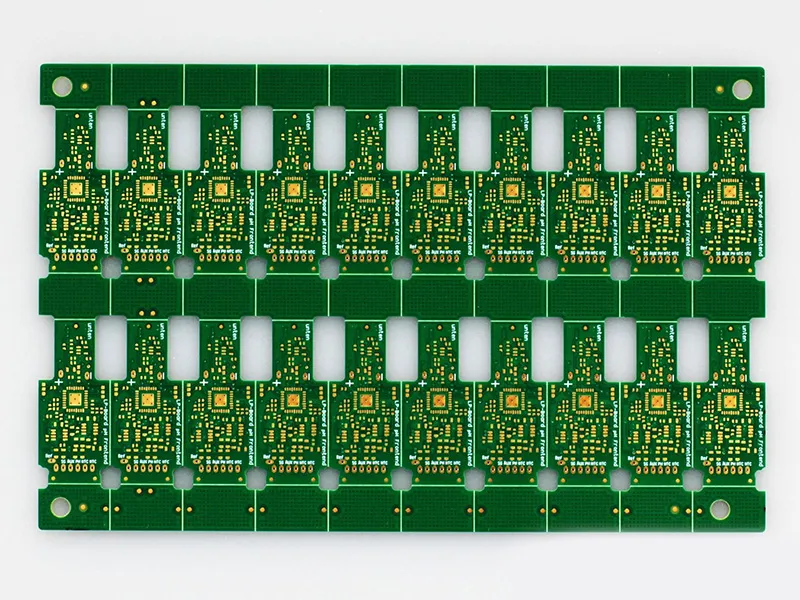
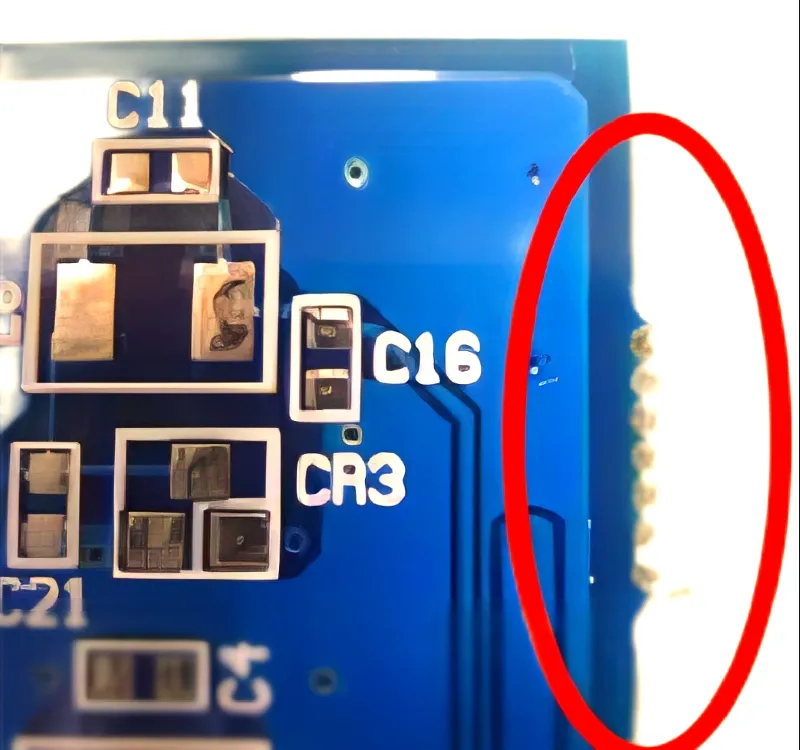
V-cut systems rely on mechanical separation along predefined grooves. While efficient, this approach introduces bending stress that can affect:
- Ceramic capacitors near the cut line
- Fine-pitch solder joints
- Thin or uneven panel designs
Router-based systems remove material progressively, which significantly reduces mechanical stress. Many SMT lines report fewer latent defects when routing is used for high-density or sensitive assemblies.
🎯 Accuracy and Design Flexibility
One recurring pain point shared by production teams is the frequency of design changes.
V-cut advantages:
- Simple straight-line separation
- Lower initial equipment cost
- Fast cycle times for uniform panels
However, limitations appear when:
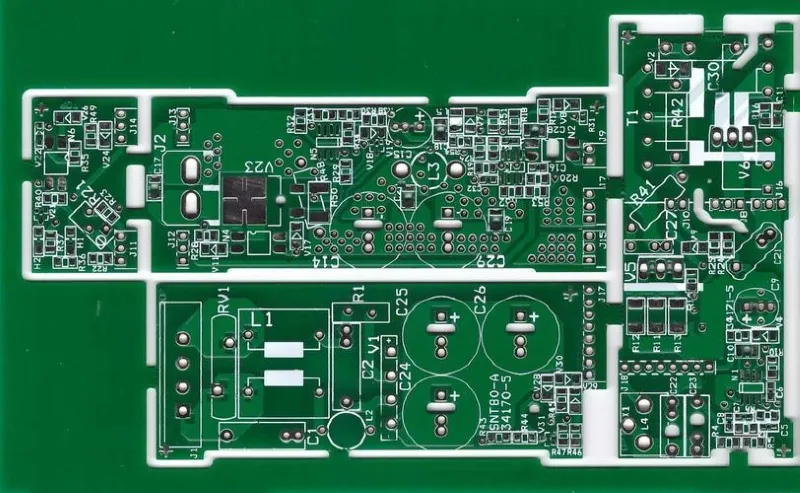
- Board outlines become irregular
- Components are placed close to the edges
- Multiple board designs share one panel
Automatic routing systems offer greater flexibility, supporting complex geometries and tighter tolerances, which align better with modern PCB layouts.
⚙️ Durability and Long-Term Stability
In continuous SMT environments, equipment durability often matters more than peak throughput.
Engineers frequently mention:
- Blade wear and alignment drift in V-cut systems
- Increased maintenance when processing thicker panels
- Variability between operators
Router machines, when built with rigid frames and industrial-grade spindles, tend to maintain accuracy over longer operating periods, reducing recalibration and unplanned downtime.
📉 Cost Analysis — Beyond the Purchase Price
While V-cut equipment usually requires lower upfront investment, several factories report hidden costs over time:
- Scrap caused by micro-cracks
- Reliability failures discovered during aging tests
- Increased inspection workload
Routing systems often involve a higher initial cost but help reduce yield loss and quality-related rework, particularly in automotive, medical, and industrial electronics.
🌍 Global SMT Case Observations
- Europe: Preference for routing in automotive and industrial electronics due to reliability standards
- North America: Mixed usage, with routing favored for complex, high-value boards
- Asia: V-cut still common in high-volume consumer products, routing growing in advanced applications
The decision often reflects product life cycle expectations rather than regional habits.
🧩 Choosing the Right Approach
Experienced engineers suggest evaluating:
- PCB thickness and material
- Component proximity to edges
- Reliability requirements
- Design change frequency
- Expected production volume
No single method fits all applications, but understanding stress behavior and durability helps avoid costly long-term issues.
Why Choose Seprays Group?
Seprays Group develops industrial-grade depaneling solutions focused on mechanical stability, controlled stress, and long-term reliability. Our experience across global SMT lines allows us to support both routing and V-cut applications based on real production needs—not assumptions.
If you would like to discuss your specific PCB depaneling challenges, please contact us.
WhatsApp: +8618929266433
E-mail: sales@seprays.com