.png)
 Russian
  English
  Spanish
  Japanese
  Korean
  Chinese
A depaneling machine plays a vital role in electronics manufacturing by ensuring clean, precise separation of printed circuit boards (PCBs). Unlike manual methods, which can create uneven force and high stress on the boards, depaneling machines use advanced technology to protect components and improve yield. Understanding how they reduce stress compared to manual cutting is key for modern manufacturers.
⚙ The Problem with Manual PCB Separation
Manual depaneling often involves snapping boards along perforations or cutting with hand tools. This approach can lead to:
- Uneven force distribution.
- Cracked solder joints.
- Board warping or copper trace damage.
- Inconsistent edge quality.
For high-density boards and delicate components, these risks are unacceptable.
💡 How a Depaneling Machine Reduces Stress
A depaneling machine reduces stress by applying controlled, consistent methods instead of manual force. Key advantages include:
- Precision cutting with ±0.05 mm accuracy.
- Low mechanical stress minimizes solder joint fractures.
- Mirror-smooth edges, preventing downstream defects.
- Consistent results, even at high production volumes.
By eliminating human variability, machines deliver superior reliability and repeatability.
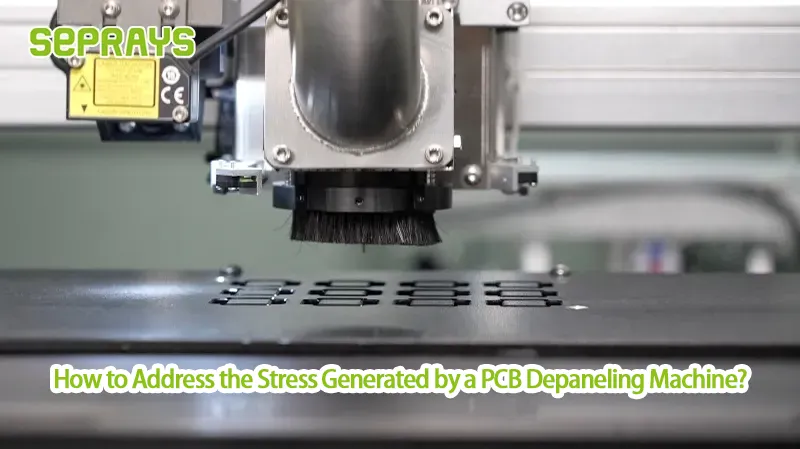
📏 Milling Cutter Depanelers
Milling depanelers use high-speed rotating blades to separate PCBs. They:
- Apply downward cutting force to reduce board bending.
- Remove material gradually, reducing strain.
- Works well with complex outlines and irregular shapes.
This makes milling one of the most common solutions for precision depaneling.
🚀 Laser Depanelers
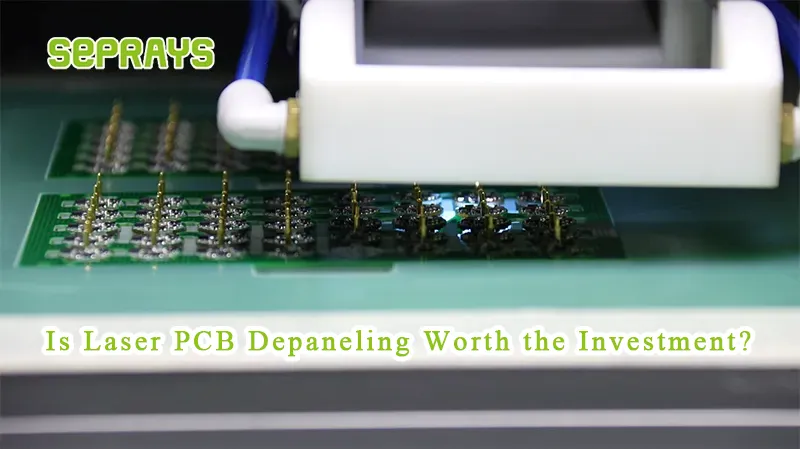
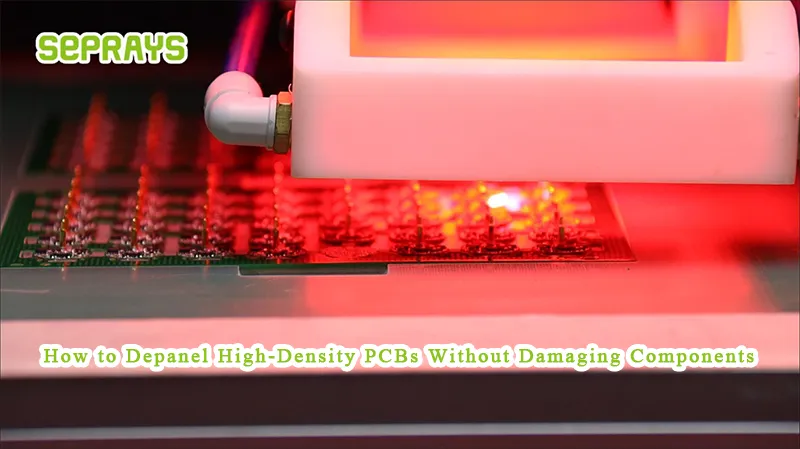
Laser depanelers use non-contact cutting, which means:
- Zero mechanical stress on the board.
- Perfect for flexible PCBs and thin substrates.
- Highly accurate for fine-pitch designs.
Although slower for thicker boards, lasers are unmatched in stress-free performance.
💎 V-Cut and Punching Methods
- V-cut machines separate boards along pre-scored grooves with controlled force, offering faster results than manual snapping.
- Punching the depanelers stamp boards out quickly with custom dies, reducing operator handling.
Both methods reduce human error and stress, though they are better suited for simpler board designs.
🏭 Why Stress Reduction Matters
Reducing stress during PCB depaneling directly improves:
- Product reliability – fewer cracked components.
- Manufacturing yield – lower scrap and rework rates.
- Edge quality – smoother cuts for coating and assembly.
- Operator safety – eliminating manual force and sharp tools.
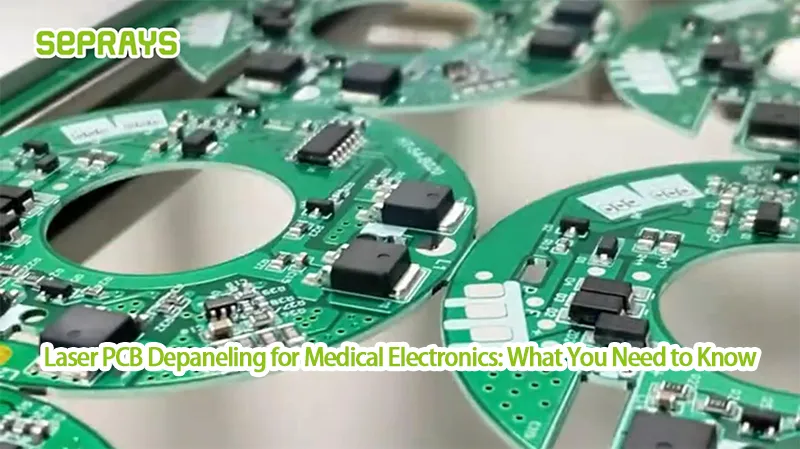
In industries like medical electronics, automotive, telecom, and consumer devices, stress-free depaneling is essential to meet quality and compliance standards.
💡 Why Choose Seprays Group?
At Seprays Group, we design depaneling machines that minimize stress and maximize efficiency. Our solutions include:
- ±0.05 mm cutting accuracy for precision.
- 300 μe low-stress separation to protect components.
- Mirror-smooth edges for better assembly results.
- Automated 24/7 operation for higher productivity.
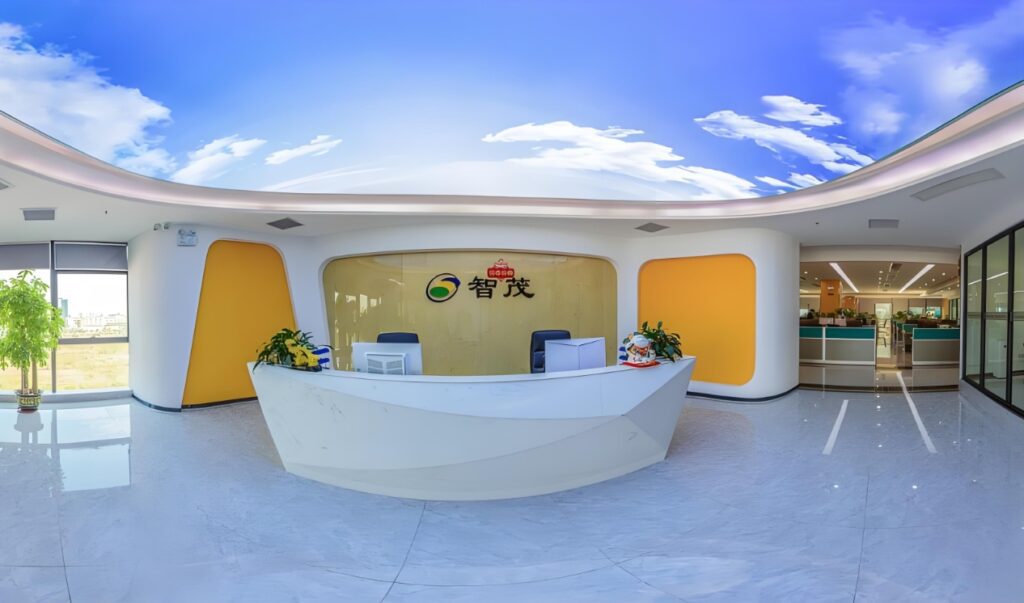
Since 1993, Seprays Group has been dedicated to PCB/FPC depaneling technology, providing a full range of solutions — milling cutter depanelers, laser depanelers, V-groove depanelers, punching depanelers, and automated handling systems. Our equipment is trusted by leading manufacturers, including Foxconn, Flextronics, State Grid, Luxshare, Compal, Wistron, China Electronics, Quanta, CRRC, China Aerospace, OPPO, ZTE, and Bosch, serving factories across China and worldwide.

📧 Contact us today to discover how Seprays can improve your depaneling process.
WhatsApp: +86 189 2926 6433
E-mail: sales@seprays.com