.png)
 Russian
  English
  Spanish
  Japanese
  Korean
  Chinese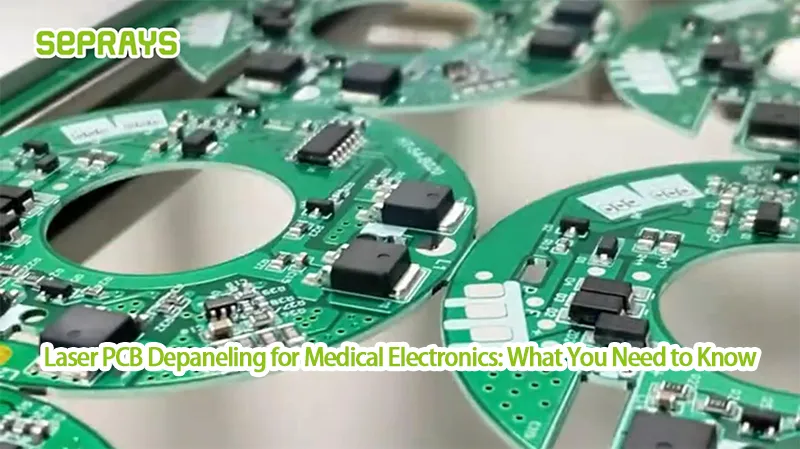
Laser PCB depaneling for medical electronics is not something most teams think about at the start of a project. It usually becomes important later, when edge defects appear, or when reliability testing starts to fail without a clear reason.
In medical devices, small issues don’t stay small.
They show up in performance.
And sometimes, in compliance.
🏥 Why Medical Electronics Require Extra Care
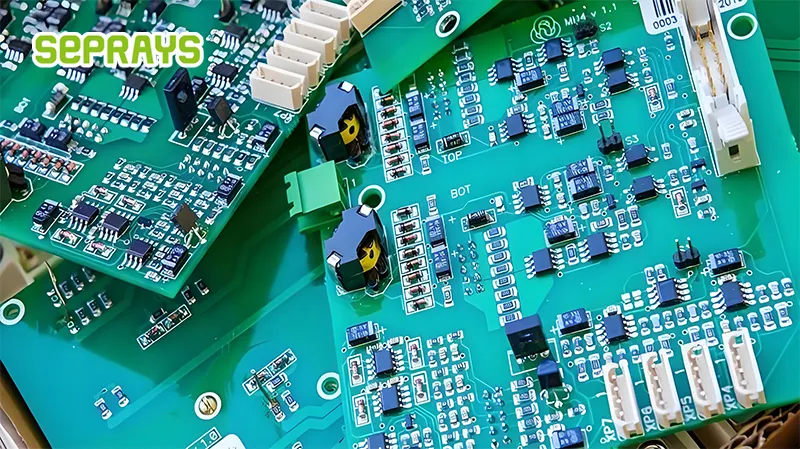
Medical PCBs are different from standard consumer products.
They often involve:
- Ultra-thin substrates
- High-density components
- Flexible or rigid-flex designs
- Strict regulatory standards (FDA, ISO)
These boards are used in devices where failure is not acceptable.
So the depaneling process must avoid introducing any hidden damage.
⚙️ What Makes Laser Depaneling Stand Out
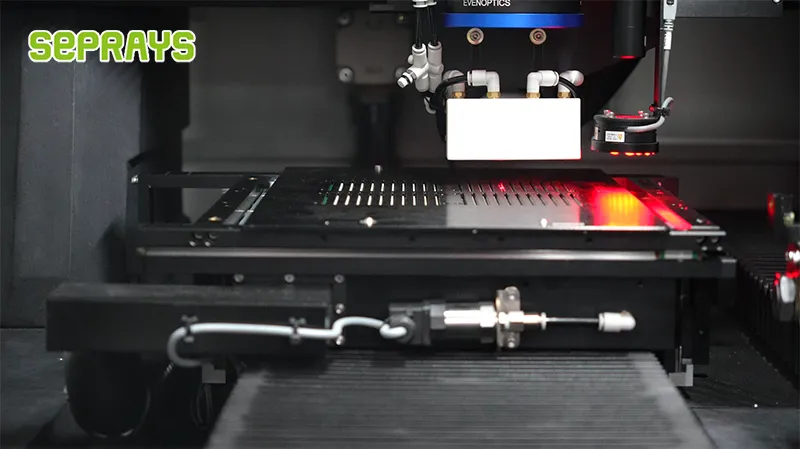
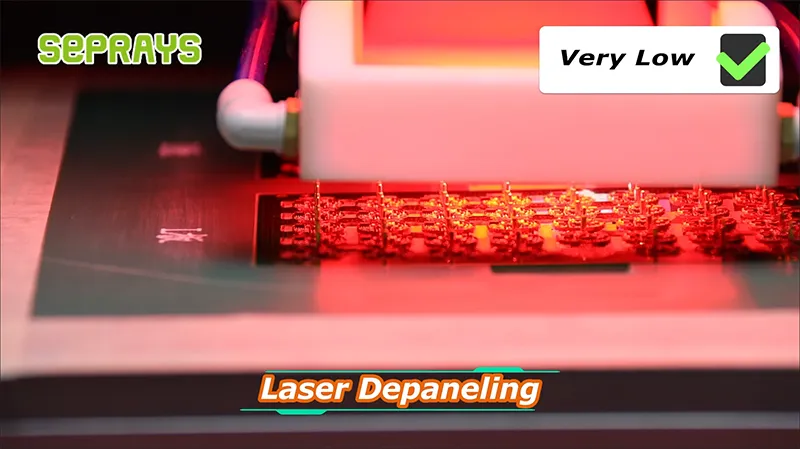
Laser PCB depaneling is a non-contact process.
No mechanical force.
No blade pressure.
That changes everything.
Key advantages include:
- Minimal mechanical stress
- High precision cutting
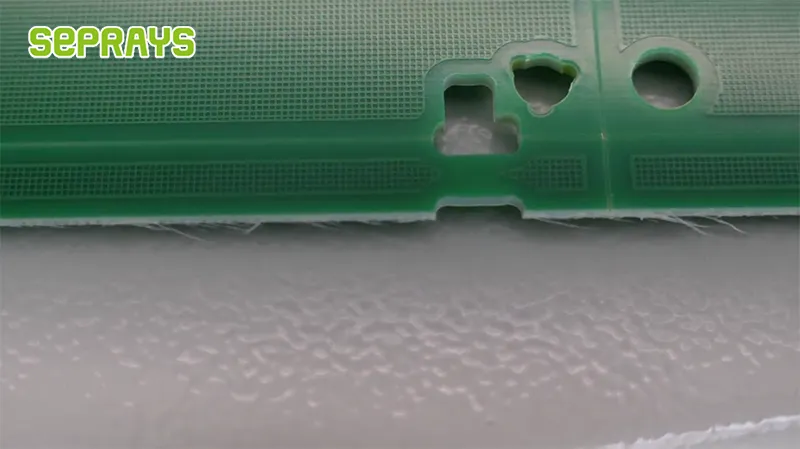
- Clean edges without burrs
- Suitable for delicate and miniaturized PCBs
For medical electronics, these benefits directly impact product reliability.
🔍 Common Problems in Traditional Depaneling
Before switching to laser, many manufacturers faced issues like:
- Micro-cracks caused by mechanical cutting
- Stress damage to sensitive components
- Edge chipping on thin boards
- Dust contamination during processing
These problems may not be visible immediately.
But they can lead to:
- Early device failure
- Reduced lifespan
- Compliance risks
That’s where laser depaneling offers a different approach.
📊 Laser vs Traditional Methods
A simple comparison helps clarify the differences:
| Method | Stress Level | Precision | Cleanliness | Best Use Case |
|---|---|---|---|---|
| Laser | Very Low | Very High | Excellent | Medical, high-density PCBs |
| Router | Low-Medium | High | Moderate | Complex shapes |
| Saw Blade | Medium | Medium | Low | Straight-line boards |
| Punching | Medium | Medium | Low | High-volume standard boards |
Laser stands out where precision and low stress are critical.
💥 Pain Points in Medical PCB Production
From real-world projects, engineers often highlight:
- Component placement is too close to the edges
- Fragile materials like flex circuits
- Tight tolerance requirements
- High rejection cost per board
In medical manufacturing, scrap is expensive.
Not just financially, but also in time and compliance.
🧪 Case Study — Improving Reliability in Medical Devices
A manufacturer producing wearable medical monitoring devices encountered recurring failures during reliability testing.
Issues included:
- Edge delamination
- Micro-damage near connectors
- Inconsistent cut quality
They collaborated with Сепреи to implement laser PCB depaneling.
After optimization:
- Edge defects were significantly reduced
- Product reliability improved
- Yield increased
The shift to a non-contact process removed a key source of hidden damage.
💰 Cost Considerations — Is Laser Worth It?
Laser systems typically have higher upfront costs.
But in medical electronics, the calculation is different.
Consider:
- Cost of failed compliance tests
- Scrap of high-value boards
- Rework and inspection time
- Risk of product recalls
When these factors are included, laser depaneling often becomes a cost-effective choice.
🔄 When Should You Choose Laser Depaneling?
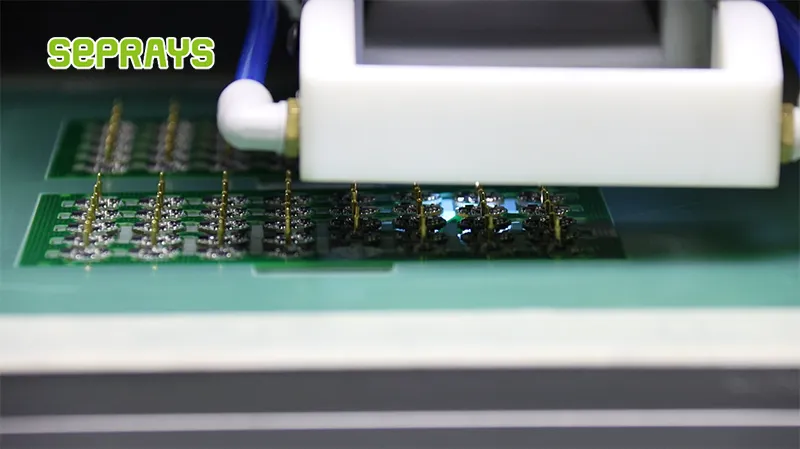
Laser PCB depaneling is most suitable when:
- Boards are thin or flexible
- Components are near the edges
- High precision is required
- Mechanical stress must be minimized
For less sensitive applications, other methods may still be viable.
But for critical medical devices, a laser is often preferred.
🛠️ Practical Tips for Implementation
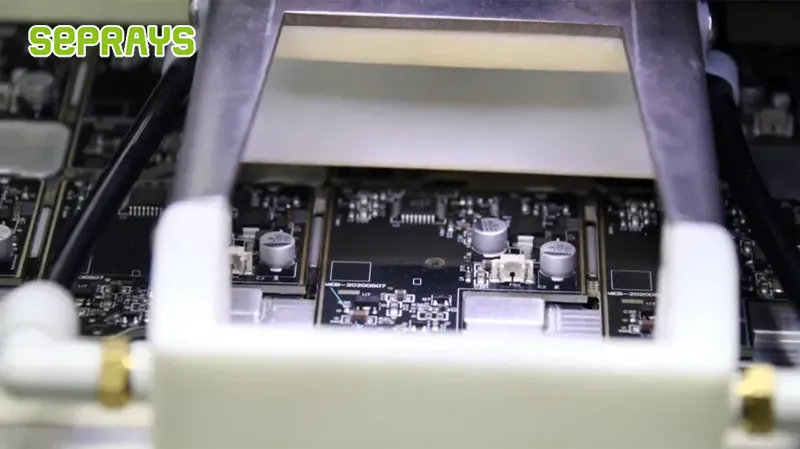
From production experience:
- Optimize laser parameters for each material
- Validate cut quality during setup
- Integrate with cleanroom environments if needed
- Ensure proper training for operators
Attention to detail matters.
Especially in medical manufacturing.
🚀 The Role of Automation in Medical Depaneling
Medical device production is moving toward higher automation.
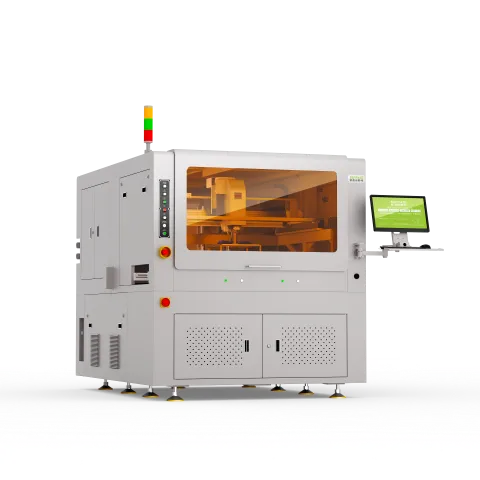
Laser systems can be integrated into:
- Inline SMT processes
- Automated handling systems
- Traceability and MES platforms
This improves:
- Consistency
- Process control
- Data tracking for compliance
Depaneling becomes part of a controlled system—not a standalone step.
🚀 Why Choose Seprays Group?
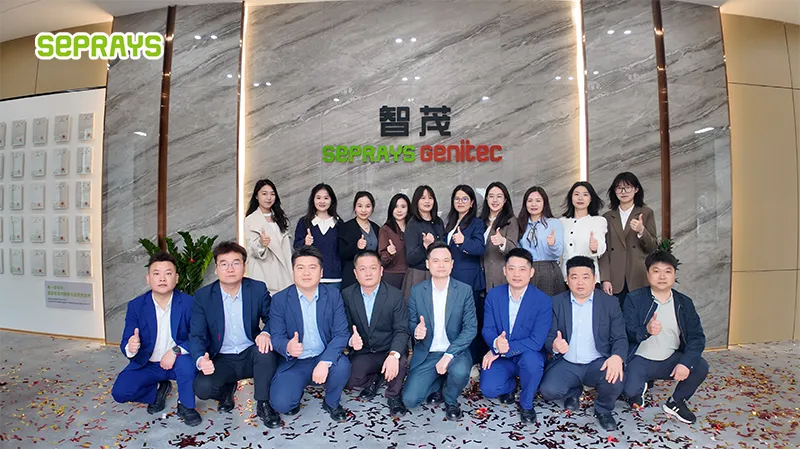
Seprays Group focuses on delivering depaneling solutions that meet the strict requirements of industries like medical electronics.
Seprays Group has been dedicated to PCB/FPC depaneling technology, providing a full range of solutions — including milling cutter depanelers, laser depanelers, V-groove depanelers, punching depanelers, and automated handling systems.
Their equipment is trusted by leading global manufacturers such as Foxconn, Flextronics, State Grid, Luxshare, Compal, Wistron, China Electronics, Quanta, CRRC, China Aerospace, OPPO, ZTE, and Bosch. These partnerships demonstrate proven reliability across high-precision and large-scale production environments.
With strong application experience, Seprays helps manufacturers select the right depaneling strategy to ensure quality, compliance, and efficiency.
If you are exploring laser depaneling for medical electronics, feel free to contact us.
WhatsApp: +8618929266433
Электронная почта: sales@seprays.com
❓ FAQ
1. Why is laser depaneling preferred for medical PCBs?
Because it minimizes mechanical stress and ensures high precision.
2. Does laser cutting damage PCB materials?
When optimized correctly, thermal impact is minimal and controlled.
3. Is laser depaneling suitable for flexible PCBs?
Yes. It is ideal for flex and rigid-flex materials.
4. How does it improve product reliability?
By eliminating mechanical stress that can cause hidden defects.
5. Is the higher cost justified?
In medical applications, reduced defects and compliance risks often justify the investment.