.png)
 Russian
  English
  Spanish
  Japanese
  Korean
  Chinese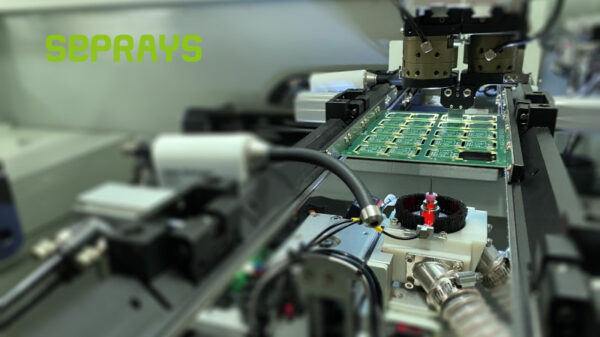
🧵 A PCB depaneler is often called the “ultimate tailor” of circuit boards. At the very end of the SMT production line, this device performs the final and most delicate step: separating boards from large panels with precision and care. Just like a tailor trims and shapes clothing for a perfect fit, the depaneler cuts each circuit board cleanly, accurately, and without damage.

✂️ What Exactly Is a Depaneler?
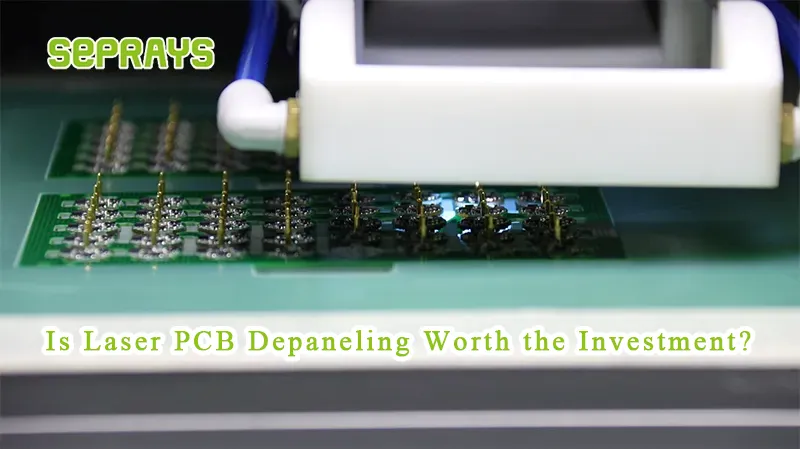
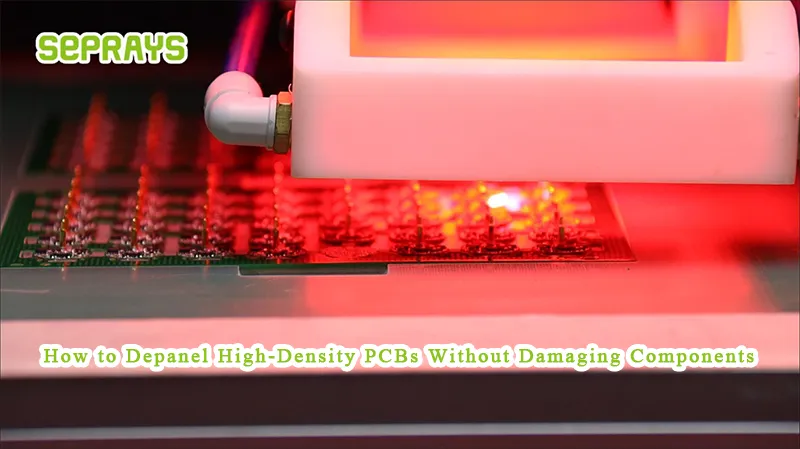
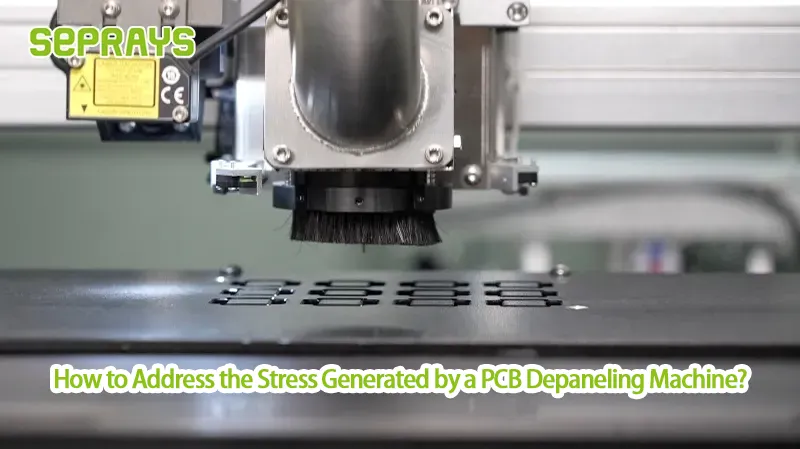
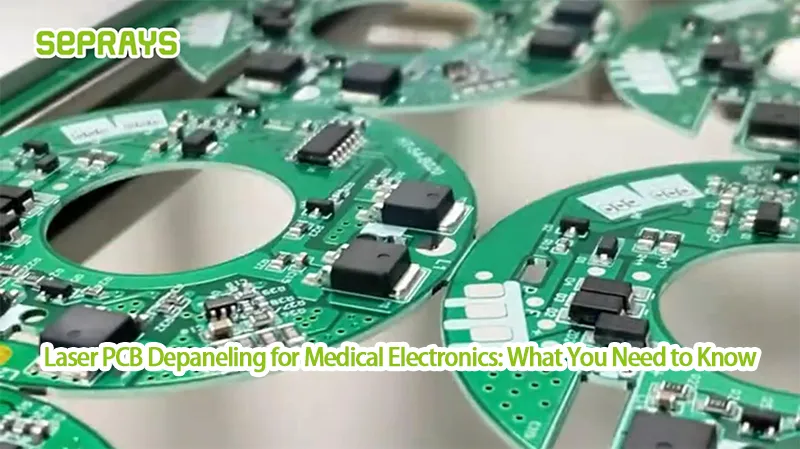
Engineers design a depaneler to separate multiple PCBs from a panel after assembly. Instead of relying on manual breaking, which can damage components, it uses controlled methods like milling, laser cutting, punching, or V-groove cutting.
This machine reduces stress on the board, keeps edges smooth, and guarantees repeatable results. Without it, manufacturers would face higher risks of defects, wasted material, and added labor costs.
🔍 Why the Depaneler Is Called the “Ultimate Tailor”
Just as a tailor customizes garments to fit perfectly, the depaneler shapes each board with extreme accuracy. It can cut along complex outlines, maintain tolerances within microns, and protect fragile components mounted close to the edge.
Its role is not just separation—it is refinement. By delivering precise, stress-free cuts, the depaneler ensures each board is production-ready, reliable, and high-quality.
⚡ The Impact on Production Lines
A PCB depaneler does more than just cut boards. It speeds up the entire SMT line. Manual separation is slow, inconsistent, and labor-intensive. Automated depaneling eliminates human error, reduces cycle times, and ensures a smooth workflow.
For high-volume industries, this efficiency is not optional—it is essential. The depaneler transforms a bottleneck into a productivity booster.
🛡 Protecting Components and Improving Reliability
Electronics today are smaller, thinner, and packed with components. Manual breaking puts stress on solder joints and delicate chips.
Depanelers apply controlled cutting force, reducing strain and keeping boards flat. Many machines integrate dust collection and ESD protection to improve reliability and extend product lifespan. The result is fewer failures, lower costs, and higher customer satisfaction.
🌍 Industries That Rely on Depanelers
В PCB depaneler is critical across industries:
- Automotive electronics demand safety and durability.
- Medical devices require unmatched precision.
- Consumer electronics rely on slim, complex designs.
- Telecom and networking need consistent performance.
- LED lighting benefits from fast and clean panel separation.
No matter the industry, the depaneler ensures stability, quality, and repeatability.
🚀 The Future of Depaneling
As boards get thinner and more complex, depanelers continue to evolve. Vision-guided alignment, advanced motion control, and flexible cutting methods make them smarter and faster.
This innovation means manufacturers can keep up with new design trends while maintaining high yields and reducing waste.
💡 Why Choose Seprays Group?
Since 1993, Seprays Group has been dedicated to PCB/FPC depaneling technology, providing a full range of solutions — milling cutter depanelers, laser depanelers, V-groove depanelers, punching depanelers, and automated handling systems. Our equipment is trusted by leading manufacturers, including Foxconn, Flextronics, State Grid, Luxshare, Compal, Wistron, China Electronics, Quanta, CRRC, China Aerospace, OPPO, ZTE, and Bosch, serving factories across China and worldwide.

- Over 32 years of manufacturing experience.
- CE-certified equipment with patented dust control designs.
- Global service network in 31+ countries.
- ISO9001, ISO14001, and ISO45001 certified.
📧 If you need support, please contact us today.
WhatsApp: +86 189 2926 6433
E-mail: sales@seprays.com