.png)
 Chinese
  English
  Spanish
  Japanese
  Korean
  Russian
为什么传统、分割造成过多的灰尘? 三个主要的痛苦点
1. 手册、分割:根本原因的灰尘
Hand separation or essential cutting tools generate glass fiber and resin dust when breaking V-grooves or breakaway tabs. Studies show a single manual depaneling operation can release over 5,000 dust particles (<10μm) per cubic meter, far exceeding industrial safety standards.
2. 打开运作:加速传播的灰尘
尘埃传播的自由而封闭的工作场所。 工厂测试显示,下午2.5的水平附近的分板站可峰300μg/m3的四倍,中国的限制。
3. 贫穷过程中控制:次级污染风险
不一致的手册力引起的毛边和微裂缝,需要额外的研磨和产生更多的灰尘。
PCB、分割机:三个层次的控制粉尘
1. 封闭切割源遏制
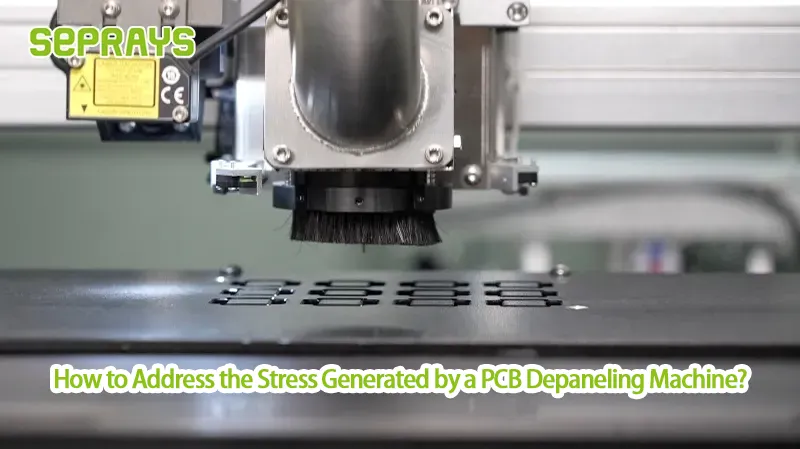
High-end depaneling machines feature fully enclosed chambers with negative-pressure dust extraction. For example, SEPRAYS智茂 machines integrate multi-stage filtration (pre-filter + HEPA), capturing 99.97% of dust for integrated cutting, suction, and filtration.
2. 精密工具–尽量减少灰尘代
● 基于路由器的机器: 高速磨,确保干净削减,减少灰尘的80%和手册方法。
● 激光分板: 非联系消融的消除机械压力,产生近乎零的灰尘的理想flex多氯联苯和微妙的组成。
3. 聪明的控制,防止人为的错误
PLC控制的系统优化的切割速度、压力、道路,以避免灰尘的尖峰操作不当。
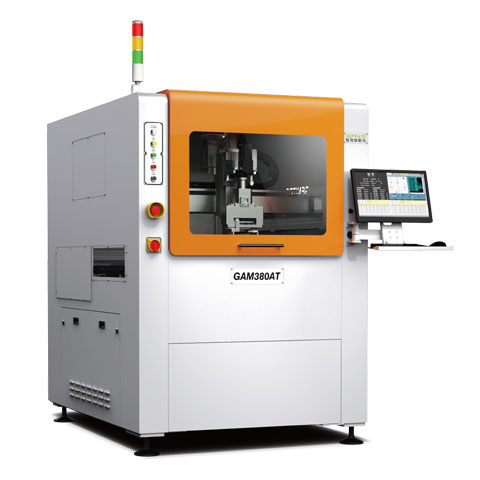
工厂的选择指南:3个步骤的最佳解决方案
第1步:界定生产需求
● Board Type: FR-4、铝或陶瓷基底需要不同的方法(路/激光).
● Thickness: Standard 0.6-3.0mm boards suit router machines; ultrathin (<0.4mm) boards need a laser.
步骤2:验证除尘
优先考虑机的旋风+HEPA过滤、检查过滤器的生活和垃圾箱的容量(≥10L).
步骤3:进行评估的高级功能
- Vision alignment for irregular panels.
- Barcode tracking for automotive PCB traceability.
- MES connectivity for smart manufacturing.
无尘、分割:一个关键制造智能
Stricter regulations (e.g., EU RoHS) and higher precision demands make advanced depaneling essential for green manufacturing and high-end orders. Procurement teams must weigh TCO (Total Cost of Ownership), engineers must match process parameters to machine specs, and executives must integrate dust-free production into a long-term strategy. Choosing the right deburring machine could be the key to factory transformation.