.png)
 Spanish
  English
  Japanese
  Korean
  Russian
  Chinese
¿Qué es el Principio de funcionamiento de un Láser Depaneling?
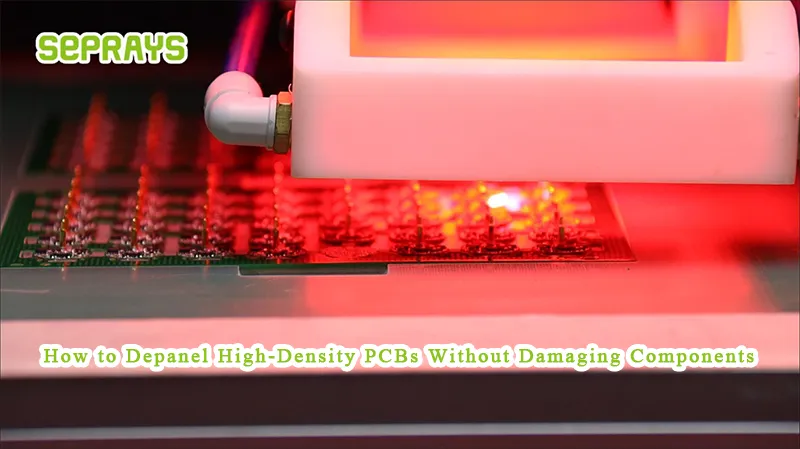
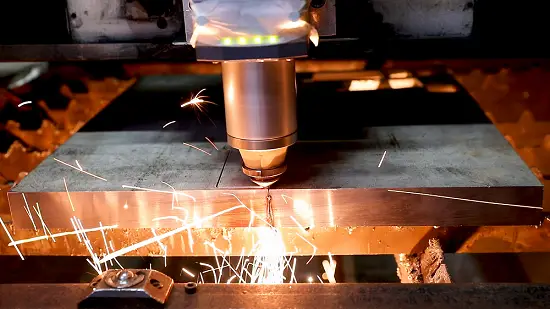
El principio de funcionamiento de láser depaneling implica el uso de un láser de alta energía del haz de precisión de corte a través de la conexión de las pestañas o los canales de enrutamiento de un PCB (Placa de Circuito Impreso) en el panel, la separación de tableros individuales sin contacto mecánico. Una fuente de láser, tales como el CO2 o el láser UV, genera un haz enfocado de que se dirige hacia el PCB material a través de un sistema óptico.
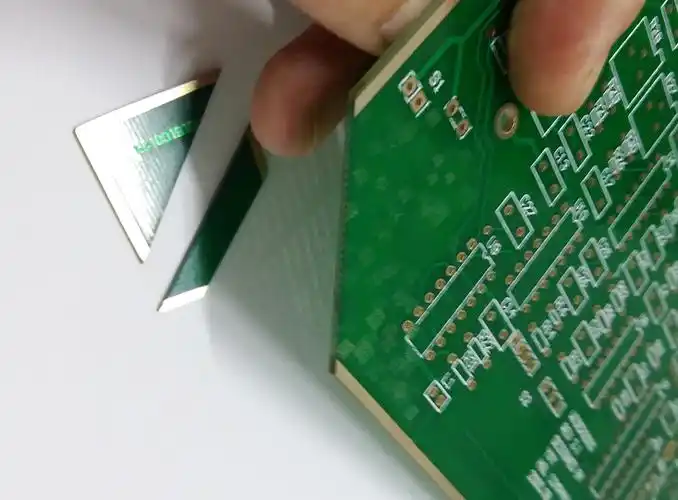
When the laser interacts with the material, its energy is absorbed, causing localized heating and vaporization (ablation) along the programmed cutting path. This process is controlled by software that guides the laser head with high precision, enabling the creation of complex shapes and fine details to be cut cleanly. Since laser depaneling is a non-contact method, it eliminates mechanical stress, reduces the risk of damage to sensitive components, and produces minimal debris, making it ideal for high-density and delicate PCB designs.
¿Qué Tipos de Láseres que se Utilizan en Láser Depaneling?
Los Láseres de CO2:
- Best for cutting non-metal materials, such as FR-4 (a common PCB material).
- Fast and cost-effective, but can’t cut metals well.
UV Láser:
- Great for high-precision cutting, especially for flexible PCBs or materials with copper.
- Very accurate with minimal heat damage, but slower and more expensive.
El Láser Verde:
- Used for specific materials like flexible circuits.
- Offers good precision but is less common and more costly.
Los Láseres De Fibra:
- Used for cutting metal-based PCBs.
- Efficient for metals but not suitable for non-metal materials.
Los Láseres De Femtosegundo:
- Ultra-high precision with almost no heat damage.
- Ideal for delicate materials, but very expensive and slow.
Picosegundo Láseres:
- Similar to femtosecond lasers but slightly less precise.
- Still high-cost and used for advanced applications.
Excimer Láser:
- Used for very precise cutting of special materials.
- High resolution but expensive and complex to maintain.
¿Cuáles son las Diferencias Entre los Láseres de CO2 y a los rayos UV Láser en Depaneling Aplicaciones?
¿Cuáles son las Diferencias Entre el Láser Depaneling y Mecánica Tradicional de Depaneling?
Seprays " Laser del PWB Depaneling de Soluciones
ZAM310 PCB/FPC de Corte por Láser
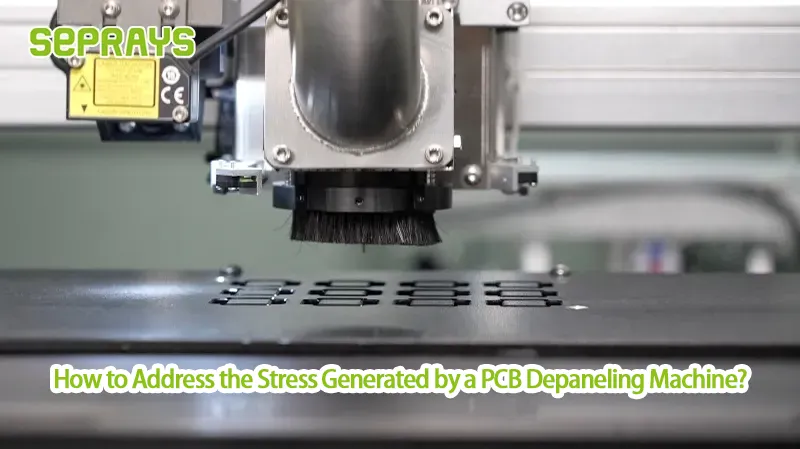
SEPRAYS’ZAM310 PCB/FPC Laser cutting machines ensure that no stress is imparted to nearby components, even when the cutting path is very close to them. To further minimize thermal impact, lasers are carefully selected based on thermal requirements, and their processing parameters are precisely matched to optimize performance.
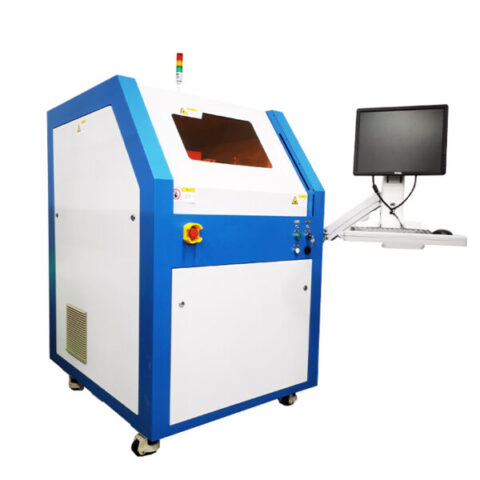
ZAM320 PCB/FPC Máquina de Corte Láser
SEPRAYS’ZAM320 PCB/FPC Laser Cutting Machine has a compact design and can save factory space. A variety of nanosecond, picosecond UV, and green lasers are available to meet various processing needs.

Conclusión
Láser depaneling is a major improvement in PCB manufacturing, offering precise, clean cuts without damaging sensitive components. By understanding how it works and the types of lasers used, manufacturers can choose the best method for their needs. As electronics continue to get smaller and more complex, laser depaneling will become even more important. With its ability to cut delicate designs without stress or debris, laser depaneling is shaping the future of electronics production.