.png)
 Spanish
  English
  Japanese
  Korean
  Russian
  Chinese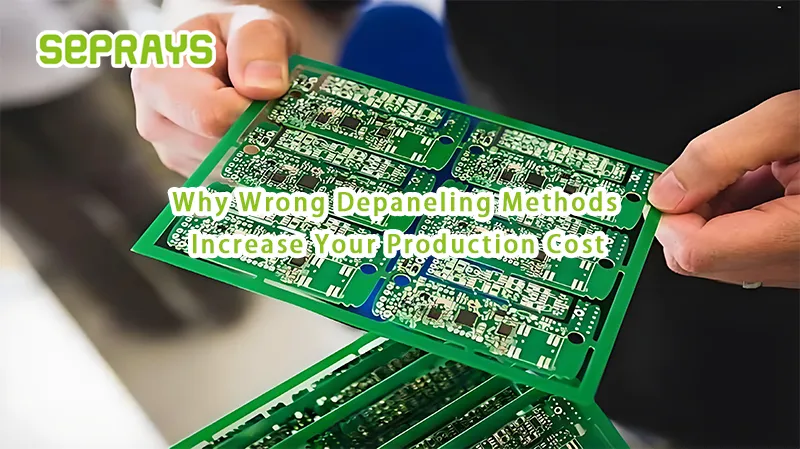
Why wrong depaneling methods increase your production cost is something many factories only realize after problems start appearing on the line. At first, everything seems fine. The boards are cut. Output looks normal.
But over time, hidden costs begin to surface.
Not from the machine itself.
From the method behind it.
🔍 The Hidden Nature of Depaneling Costs
Depaneling is often treated as a simple final step.
Cut the board. Move on.
But in reality, it affects:
- Product quality
- Process stability
- Long-term reliability
The wrong method doesn’t always fail immediately.
It fails quietly.
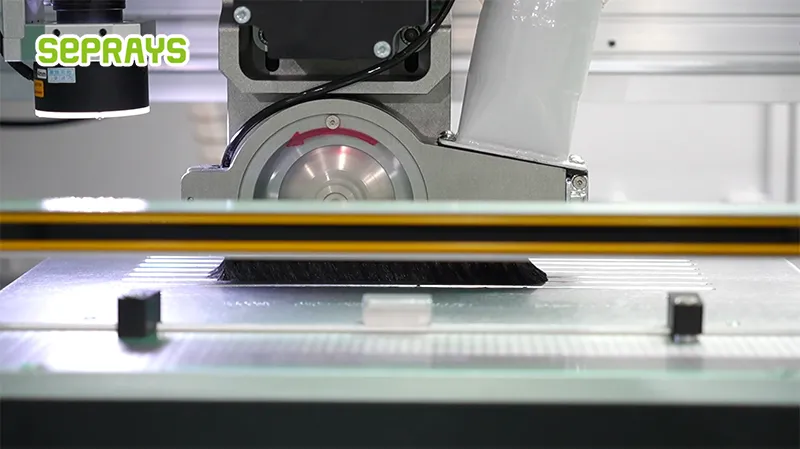
⚙️ Where the Extra Costs Actually Come From
Most cost increases are indirect.
They appear in areas like:
- Rework and scrap
- Yield loss
- Production downtime
- Customer complaints
These are harder to measure.
But they accumulate quickly.
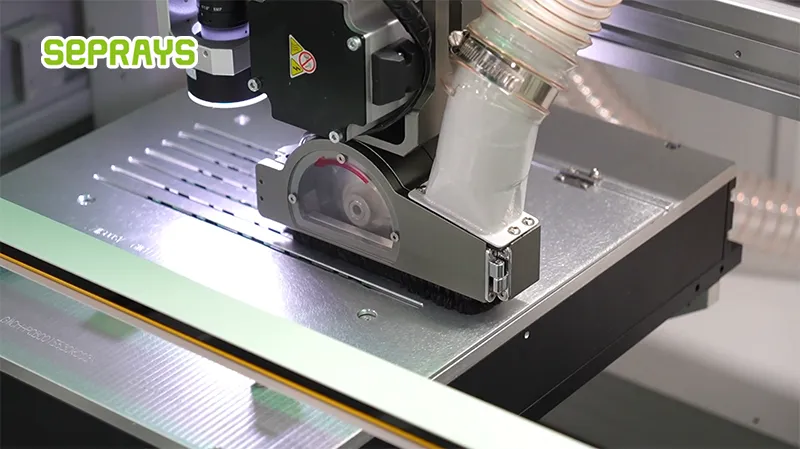
💥 Common Cost Triggers Caused by Wrong Methods
1. Mechanical Stress Damage
High-stress cutting methods can cause:
- Micro-cracks in PCB
- Solder joint fatigue
- Component shifting
These issues may pass inspection.
But fail later in use.
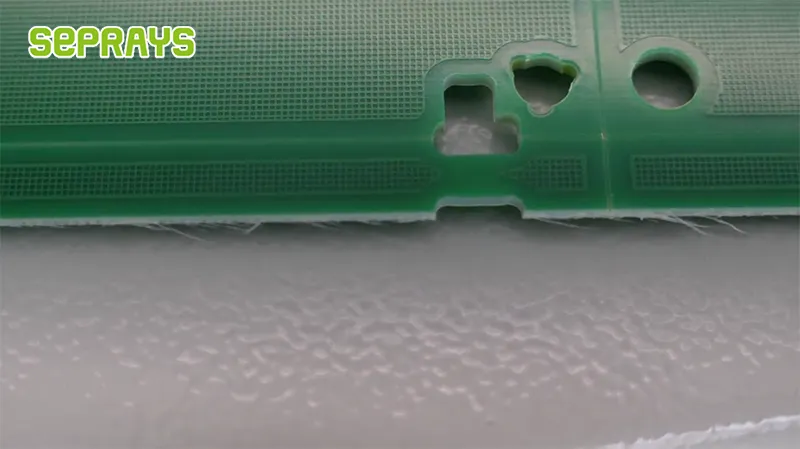
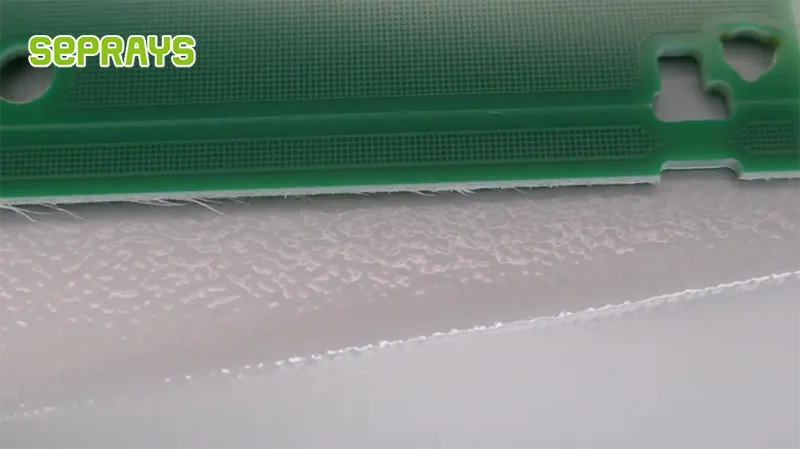
2. Edge Quality Problems
Poor cutting leads to:
- Burrs and rough edges
- Delamination
- Coating issues
This increases post-processing work.
And reduces consistency.
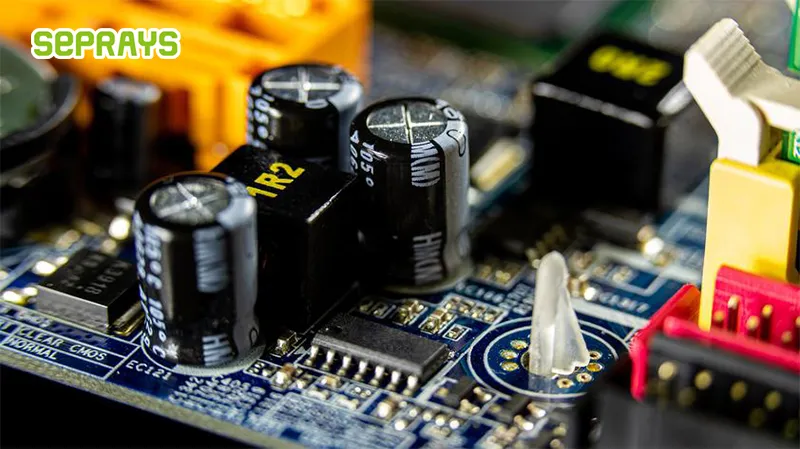
3. Low Precision in Complex Designs
Using a simple method for complex boards causes:
- Misalignment
- Damage to nearby components
- Dimensional inaccuracies
Especially critical for high-density PCBs.
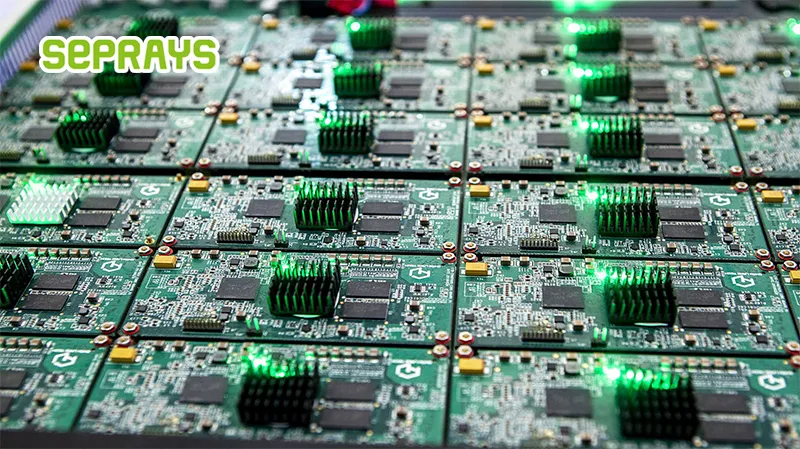
4. Frequent Setup and Changeover Delays
If the method lacks flexibility:
- Setup time increases
- Switching products becomes slow
- Operators spend more time adjusting
In high-mix production, this becomes a major cost driver.
📊 Cost Comparison — Right vs Wrong Method
| Factor | Wrong Method | Optimized Method |
|---|---|---|
| Yield | Lower | Higher |
| Rework Rate | High | Low |
| El Tiempo De Configuración | Long | Short |
| La Calidad De Los Bordes | Inconsistent | Stable |
| Long-Term Reliability | Risky | Reliable |
💡 A Counterintuitive Insight
The fastest method is not always the cheapest.
For example:
- The saw blade may cut faster
- But creates more stress
- Leading to higher defect rates
In contrast:
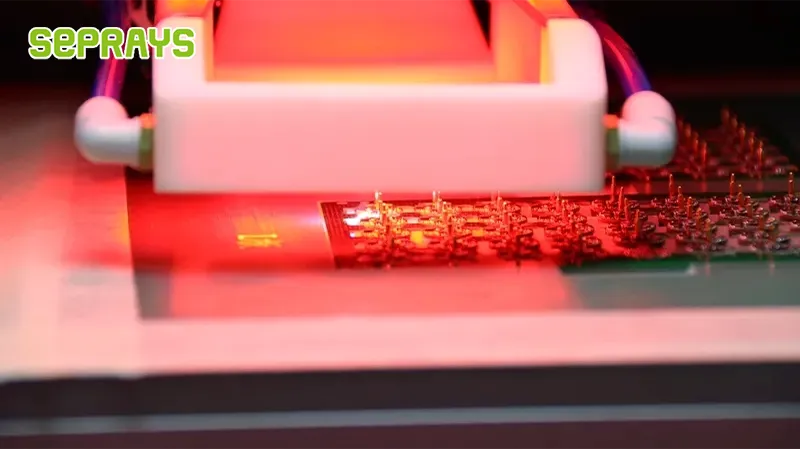
- Laser or optimized routing may be slower
- But reduces defects significantly
Result:
Lower total cost.
🧩 Case Scenario — Cost Increase from Wrong Selection
A manufacturer producing consumer electronics PCBs initially used a high-speed depaneling method focused on throughput.
Short-term results:
- Fast production
- Low equipment cost
But over time:
- Increased edge defects
- Higher rework rates
- Customer quality complaints
After working with Seprays, they:
- Re-evaluated PCB design and stress sensitivity
- Switched to a more suitable depaneling approach
- Optimized process parameters
Results:
- Reduced defect rate
- Improved product consistency
- Lower overall production cost
The biggest saving came from reducing hidden losses.
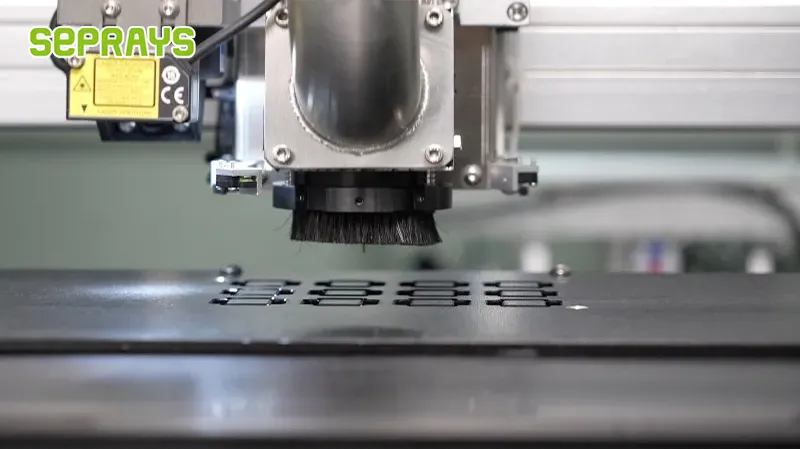
⚡ Matching Method to Application
Different scenarios require different approaches.
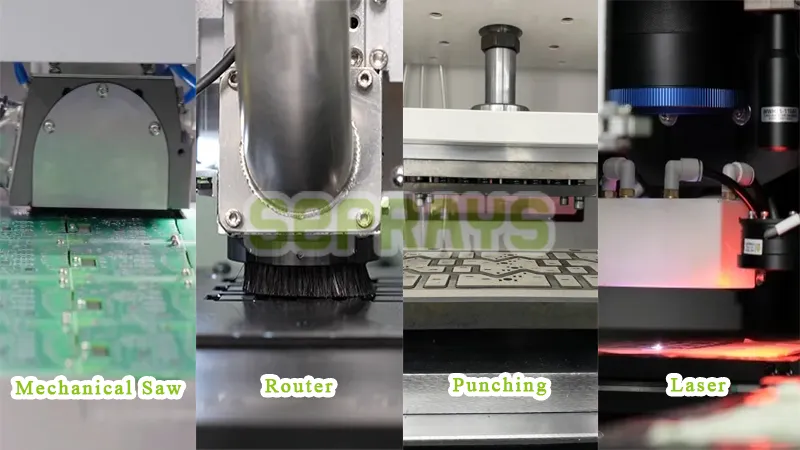
- High-density PCBs → Laser or precision routing
- Standard boards → Router or V-groove
- High-volume simple boards → Saw blade
There is no universal best method.
Only the right fit.
🛠️ Practical Steps to Avoid Cost Increases
- Analyze the PCB structure before choosing a method
- Evaluate stress impact, not just speed
- Test with real production samples
- Consider long-term reliability requirements
- Optimize process, not just equipment
These steps reduce risk early.
🔄 When to Reconsider Your Current Method
You should re-evaluate if you see:
- Increasing defect rates
- Inconsistent edge quality
- Frequent rework
- Customer complaints
- Difficulty handling new PCB designs
These are signals.
Not random issues.
🚀 The Real Goal — Stable and Predictable Production
Cost control is not about cutting faster.
It’s about:
- Reducing variability
- Improving yield
- Ensuring consistency
A stable process is always more cost-efficient.
🚀 Why Choose Seprays Group?
Seprays Group focuses on helping manufacturers select and optimize depaneling methods based on real production needs, avoiding hidden costs caused by mismatched processes.
Seprays Group has been dedicated to PCB/FPC depaneling technology, providing a full range of solutions—milling-cutter depanelers, laser depanelers, V-groove depanelers, punching depanelers, and automated handling systems. Our equipment is trusted by leading manufacturers, including Foxconn, Flextronics, State Grid, Luxshare, Compal, Wistron, China Electronics, Quanta, CRRC, China Aerospace, OPPO, ZTE, and Bosch, and is used in factories across China and worldwide.
With strong application experience, Seprays helps customers reduce defects, improve efficiency, and achieve stable long-term production performance.
If you want to reduce production costs caused by wrong depaneling methods, feel free to contact us.
WhatsApp: +8618929266433
Correo electrónico: sales@seprays.com
❓ FAQ
1. Why do wrong depaneling methods increase costs?
Because they cause hidden issues like defects, rework, and downtime.
2. Is the fastest method always the best?
No. Faster methods can increase defects and total cost.
3. How can I choose the right depaneling method?
By evaluating PCB design, stress sensitivity, and production requirements.
4. When should I change my current depaneling method?
When you see rising defects, inconsistency, or production inefficiency.
5. Can optimizing depaneling really reduce cost significantly?
Yes. It improves yield, reduces rework, and stabilizes production.