.png)
 Korean
  English
  Spanish
  Japanese
  Russian
  Chinese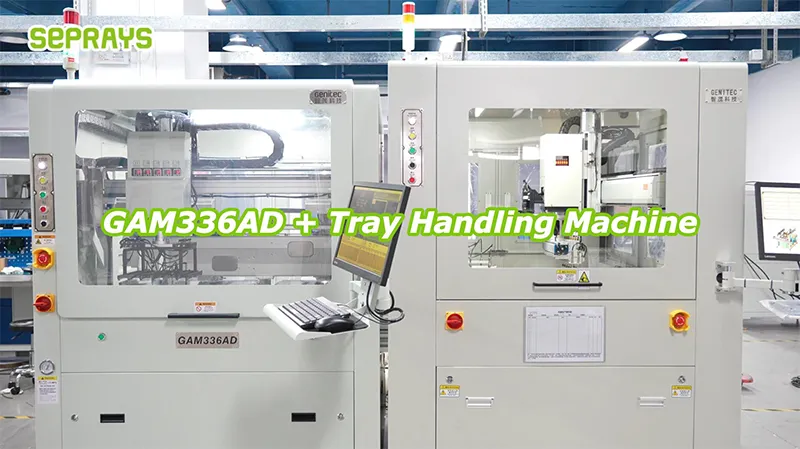
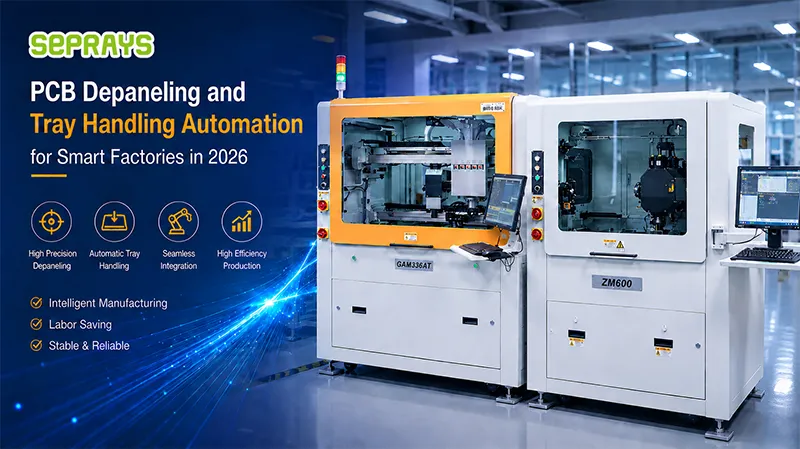
PCB Depaneling and Tray Handling Automation is becoming a practical topic in electronics manufacturing discussions throughout 2026. A few years ago, most factories focused on improving cutting accuracy or increasing machine speed. Today, the conversation has shifted. Manufacturers are asking a different question:
“How can we connect depaneling, inspection, tray handling, and downstream processes into one continuous workflow?”
For many SMT factories, depaneling is no longer an isolated process. It has become a critical link that influences production efficiency, labor costs, product quality, and factory automation levels.
As labor costs rise and production schedules become tighter, integrated depaneling and tray handling solutions are gaining attention across automotive electronics, industrial controls, communication devices, and consumer electronics manufacturing.
⚙️ Why Traditional Depaneling Processes Create Hidden Bottlenecks
Many factories still operate with semi-automatic workflows.
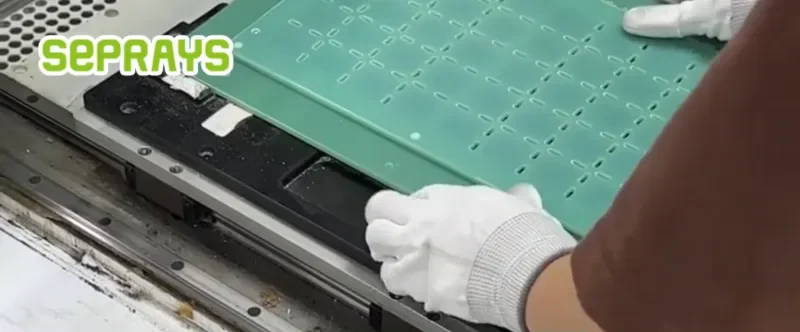
After PCB separation, operators manually collect boards, place them into trays, and transport them to the next process.
At first glance, the process seems manageable.
However, production managers often discover hidden problems:
- Labor-intensive handling
- Inconsistent board placement
- Waiting time between processes
- Increased risk of handling damage
- Limited production scalability
Interestingly, cutting speed is not always the main bottleneck.
In several factory audits conducted across Asia’s electronics industry, material transfer and handling delays often consume more time than the depaneling operation itself.
This is a surprising finding for manufacturers focusing only on machine cycle times.
🔍 What Smart Factories Expect in 2026
The definition of efficiency has changed.
Factories are no longer measuring success by how fast a single machine runs.
Instead, they evaluate:
- ✔ Material flow continuity
- ✔ Automation connectivity
- ✔ Process stability
- ✔ Data traceability
- ✔ Labor optimization
- ✔ Overall equipment effectiveness (OEE)
In other words, manufacturers are shifting from machine-level efficiency to line-level efficiency.
This trend is accelerating as Industry 4.0 initiatives continue to expand worldwide.
🚀 How Integrated Depaneling and Tray Handling Works
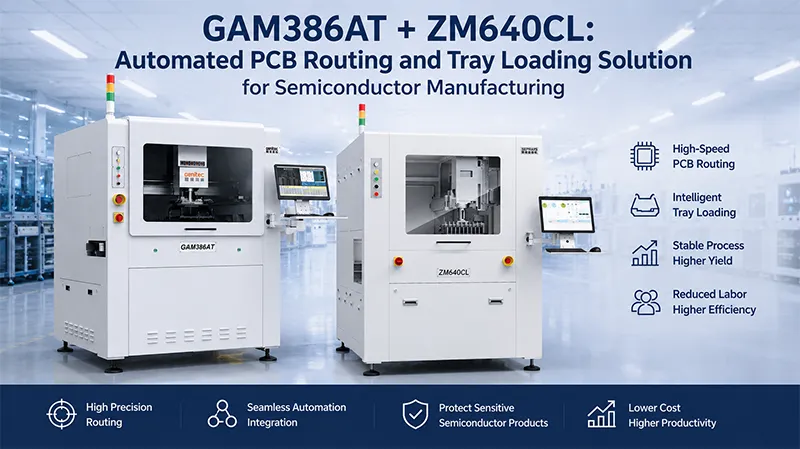
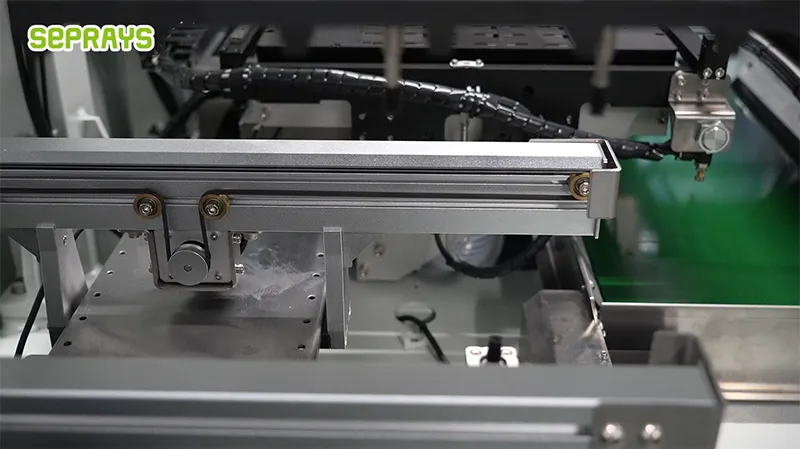
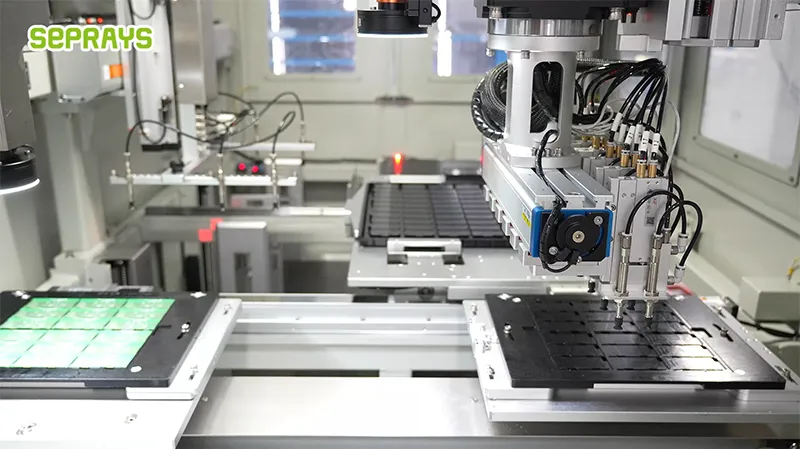
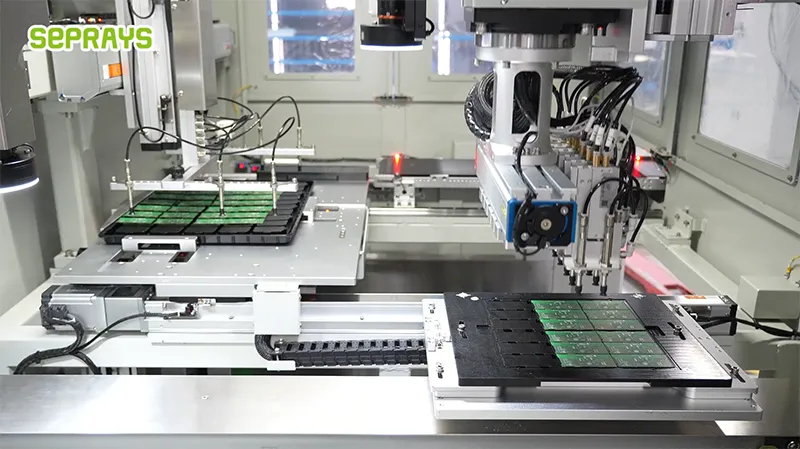
A modern automated solution combines PCB routing, unloading, tray loading, and pallet management into one coordinated process.
A typical workflow includes:
- Automatic PCB loading
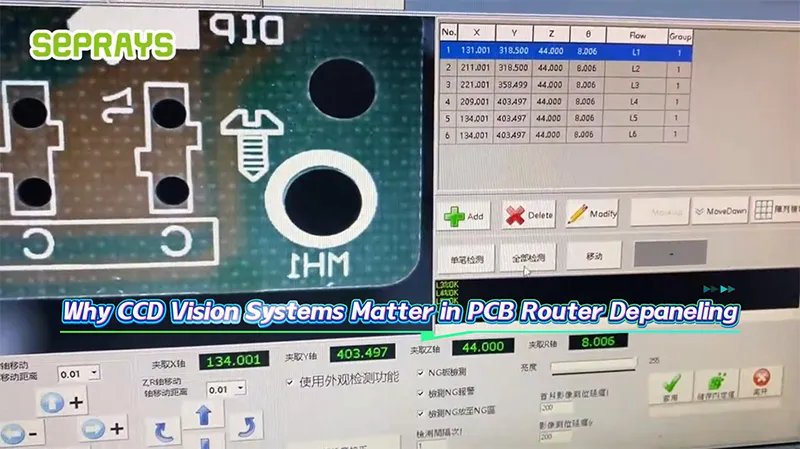
- CCD vision positioning
- Precision depaneling
- Scrap edge removal
- Automatic board collection
- Tray loading
- Pallet transfer
- Automatic tray stacking
The result is a smoother production flow with fewer interruptions.
Operators spend less time moving products and more time monitoring production performance.
🏭 Real Production Example
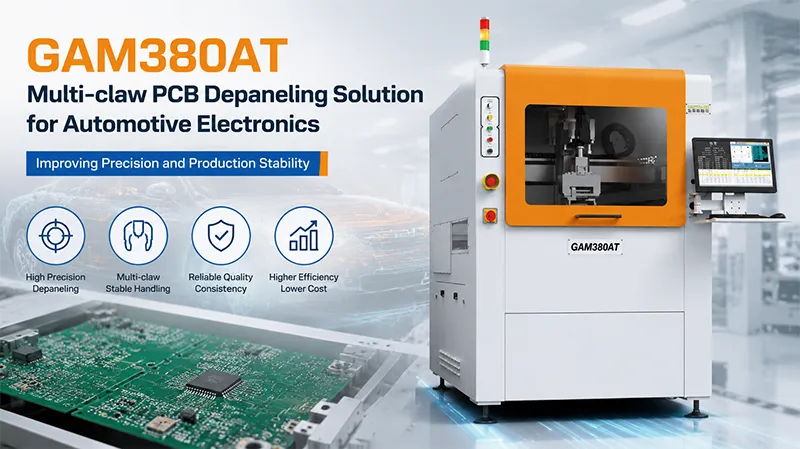
One automotive electronics manufacturer producing tire pressure monitoring system (TPMS) modules faced increasing production volumes.
Their existing depaneling process relied heavily on manual unloading and tray placement.
Although routing quality was acceptable, operators struggled to keep pace with growing demand.
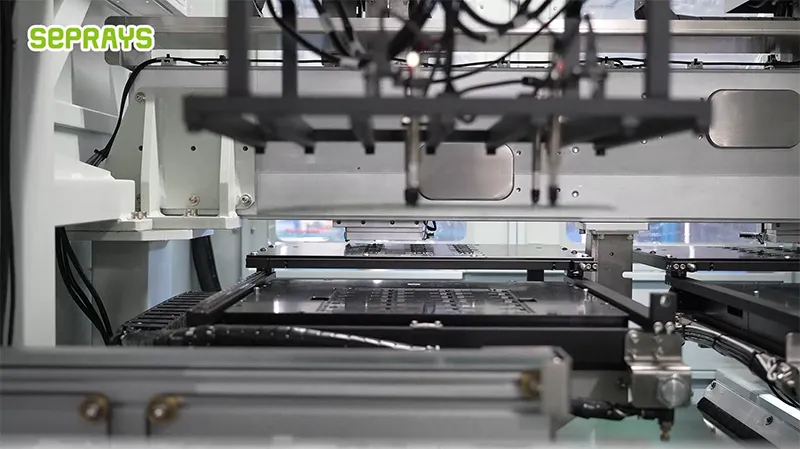
The factory implemented an integrated solution consisting of a router depaneling system and automatic tray handling equipment.
Within several months, production managers reported:
- Reduced manual handling
- Improved workstation utilization
- Better batch consistency
- Lower operator workload
- More predictable production scheduling
The improvement came not from faster cutting alone but from reducing process interruptions.
This is often overlooked when evaluating automation investments.
📊 Traditional Workflow vs Automated Workflow
| Factor | Traditional Process | Automated Process |
|---|---|---|
| Board Transfer | Manual | Automatic |
| Labor Requirement | High | Low |
| Process Consistency | Variable | Stable |
| Product Traceability | Limited | Improved |
| Production Scalability | 당 | High |
| Risk of Handling Damage | Higher | Lower |
| Line Integration | Limited | Excellent |
The table highlights why many manufacturers now view automation as a production strategy rather than simply an equipment upgrade.
🔧 Key Technologies Behind Modern Automation
Several technologies make these systems effective.
CCD Vision Alignment
High-resolution CCD cameras automatically locate PCB reference points.
This improves routing accuracy and compensates for board position variations.
Automatic Tool Change
Routing tools wear over time.
Automatic tool replacement minimizes downtime and maintains cutting quality.
Flexible Material Handling
Modern systems can support different PCB sizes and production requirements without extensive changeover procedures.
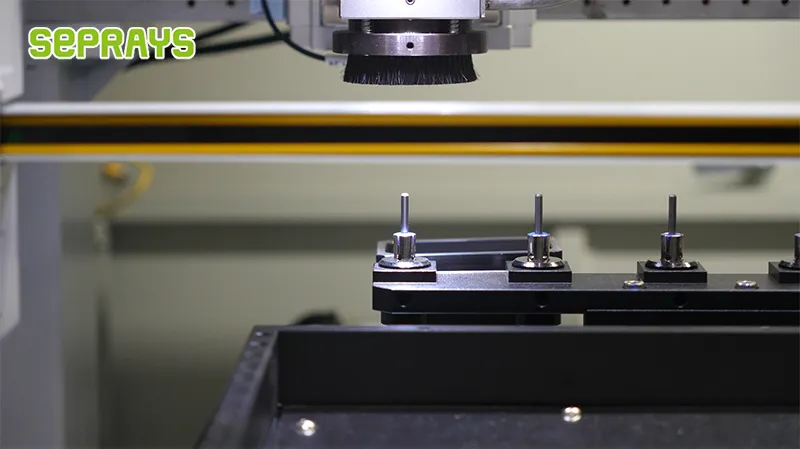
Intelligent Tray Management
Automatic tray loading and pallet stacking improve logistics efficiency and reduce operator intervention.
💡 A Counterintuitive Lesson from High-Volume Factories
Many manufacturers assume that the fastest machine will always generate the highest output.
Reality is often different.
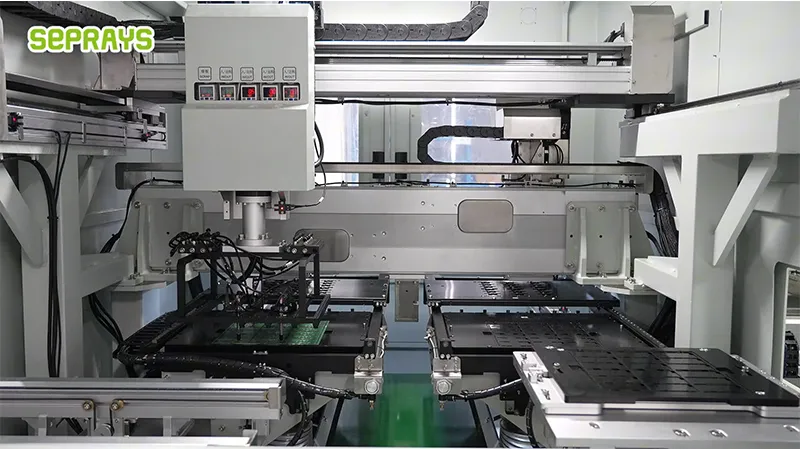
A machine operating at 80% speed with continuous workflow can outperform a faster machine interrupted by manual handling delays.
This is why integrated automation solutions are becoming more attractive than standalone high-speed equipment.
The biggest gains frequently come from eliminating non-value-added activities rather than increasing spindle speed.
🌎 Why This Trend Is Growing Globally
Several factors are driving adoption in 2026:
Rising Labor Costs
Factories continue looking for ways to reduce repetitive manual tasks.
High-Mix Manufacturing
Product lifecycles are shorter than ever.
Flexible automation helps manufacturers adapt quickly.
Automotive Electronics Growth
Vehicle electronics require strict quality control and traceability.
Smart Factory Initiatives
Many manufacturers are investing in connected production environments.
Integrated depaneling systems align naturally with these goals.
📈 Is Full Automation Right for Every Factory?
Not necessarily.
Factories producing small volumes or highly customized products may not immediately benefit from fully automated workflows.
Automation delivers the greatest value when:
- Production volumes are increasing
- Multiple shifts are required
- Labor availability is limited
- Product consistency is critical
- Factory expansion is planned
Evaluating total process efficiency is more important than focusing solely on machine specifications.
🎯 Conclusion
PCB depaneling is evolving from a standalone process into a connected manufacturing operation.
As smart factories continue to develop in 2026, integrated depaneling and tray handling systems are helping manufacturers improve productivity, reduce labor dependency, and create more stable production environments.
The most successful factories are no longer asking how to cut faster.
They are asking how to move products through the entire production line more efficiently.
That shift in thinking is driving the next generation of electronics manufacturing automation.
Why Choose Seprays Group?
For more than 30 years, Seprays Group has specialized in PCB and FPC depaneling technology, helping manufacturers improve product quality, production efficiency, and automation capabilities.
We provide a complete portfolio of depaneling solutions, including:
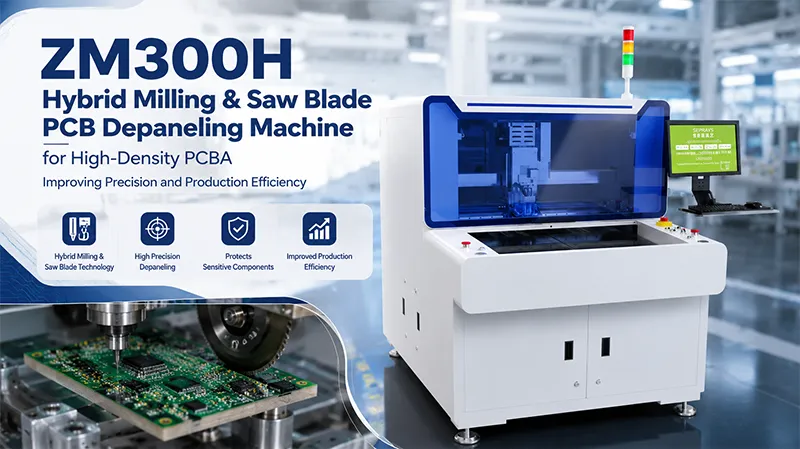
- PCB Router Depaneling Machines
- Laser Depaneling Systems
- V-Groove PCB Depaneling Machines
- PCB Punching Machines
- Inline Automation Equipment
- Tray Loading and Handling Systems
- Customized Smart Factory Solutions
Our technology has earned the trust of many global manufacturers and industry leaders, including Foxconn, Flextronics, State Grid, Luxshare, Compal, Wistron, China Electronics, Quanta, CRRC, China Aerospace, OPPO, ZTE, and Bosch.
Today, Seprays equipment operates in factories across China and worldwide, supporting industries such as automotive electronics, consumer electronics, telecommunications, industrial control, medical devices, and new energy applications.
With decades of industry experience, continuous innovation, and strong engineering support, Seprays helps customers build smarter, more efficient, and more reliable manufacturing processes.
If you are evaluating PCB depaneling and tray handling automation solutions for your factory, feel free to contact our team for professional advice and customized recommendations.
WhatsApp: +8618929266433
이메일: sales@seprays.com
FAQs
1. What are the benefits of integrating PCB depaneling with tray handling automation?
Integration reduces manual handling, improves workflow continuity, enhances product consistency, and increases overall production efficiency.
2. Which industries benefit most from automated depaneling systems?
Automotive electronics, industrial controls, consumer electronics, communication devices, medical electronics, and new energy industries benefit significantly from automated solutions.
3. How does CCD vision positioning improve PCB depaneling accuracy?
CCD cameras automatically detect PCB fiducials and compensate for positioning deviations, ensuring precise routing and consistent cutting quality.
4. Is automated tray handling suitable for high-mix production?
Yes. Modern tray handling systems support flexible product changeovers and can accommodate various PCB sizes and production requirements.
5. How can manufacturers determine whether automation is worth the investment?
Factories should evaluate labor costs, production volume, product complexity, quality requirements, and future expansion plans rather than focusing only on equipment purchase price.