.png)
 Russian
  English
  Spanish
  Japanese
  Korean
  Chinese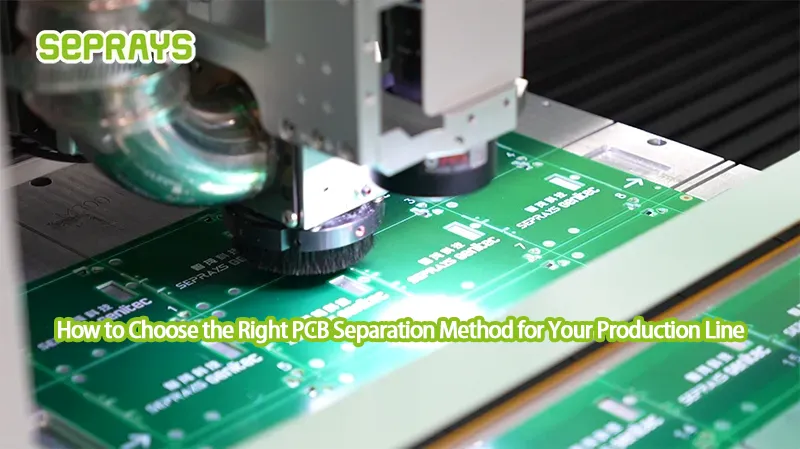
Selecting a PCB separation method has become a much bigger decision in 2026 than many factories expected.
A few years ago, many manufacturers chose the lowest-cost depaneling machine available.
Now the situation is different.
Smaller components.
Higher-density boards.
Faster SMT lines.
More EV and automotive projects.
And tighter yield requirements.
The wrong depaneling process can quietly increase:
- PCB stress
- Component cracking
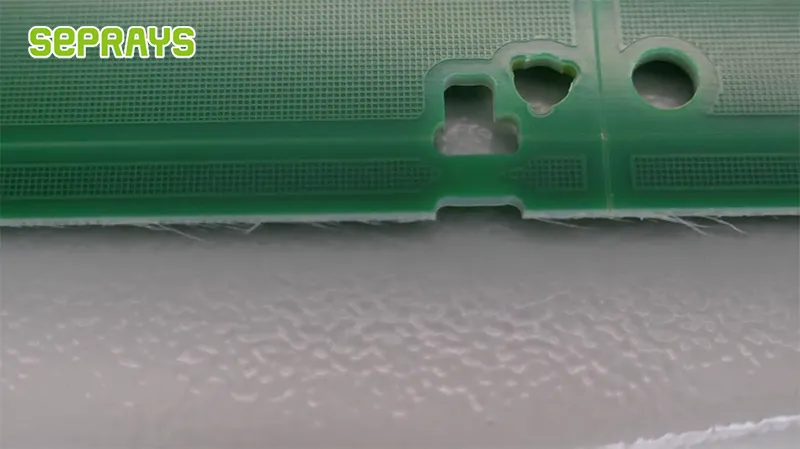
- Edge burrs
- Rework rates
- Labor costs
- Downtime
In many cases, the separation method affects SMT yield more than the cutting speed itself.
So how do you actually choose the right PCB separation method for your production line?
Let’s break it down from a real production perspective.
🔍 Why PCB Separation Is No Longer “Just a Cutting Step.”
In older SMT factories, depaneling was often treated as a simple downstream operation.
But modern electronics production changed the rules.
Today’s PCBs often include:
- Fine-pitch ICs
- Edge-mounted components
- Thin substrates
- Flexible materials
- High-layer-count designs
- Sensitive solder joints
That means separation stress matters much more.
One interesting trend in 2026:
Factories are discovering that yield loss sometimes starts at depaneling — not SMT placement.
Especially in:
- Automotive electronics
- Medical electronics
- Semiconductor packaging
- Industrial control systems
- Consumer wearables
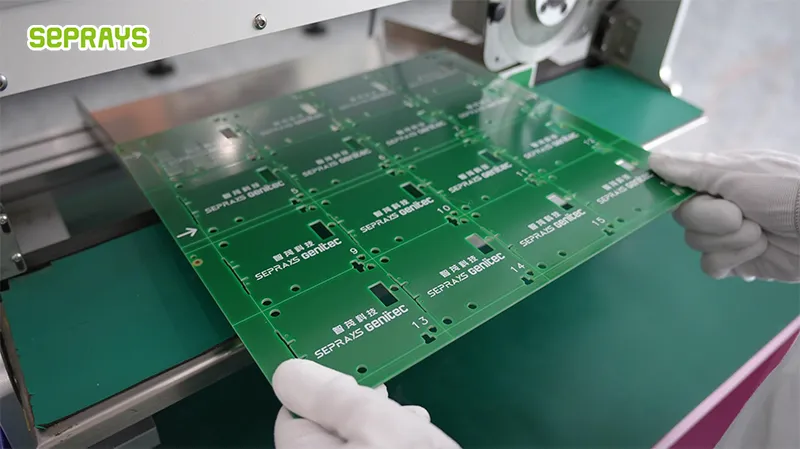
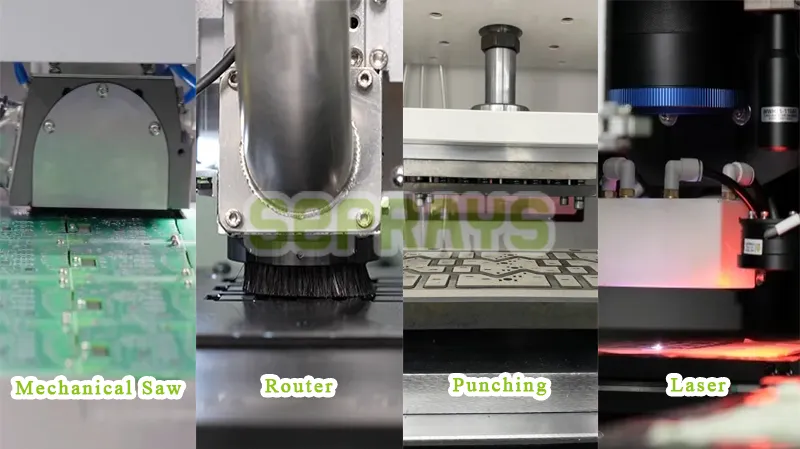
⚙️ Common PCB Separation Methods in 2026
Different PCB structures require different cutting methods.
There is no universal “best” option.
Comparison Table
| Method | Best For | Advantages | Limitations |
|---|---|---|---|
| Router Depaneling | Complex PCB outlines | Flexible cutting paths, low stress | Slower than saw cutting |
| Saw Blade Depaneling | Straight-line cutting | High speed, efficient for mass production | Limited shape flexibility |
| Laser Depaneling | Flexible PCB, rigid-flex PCB | Ultra-low stress, high precision | Higher equipment cost |
| V-Groove Depaneling | V-cut panels | Fast and economical | Not ideal for sensitive components |
| Punching Depaneling | High-volume simple boards | Very fast cycle time | Requires custom tooling |
The key is matching the method to the actual production scenario.
Not just the machine price.
🧩 What Type of PCB Are You Producing?
This is the first question engineers should ask.
Different PCB Types Need Different Solutions
Automotive BMS Boards
Usually large.
Heavy copper.
High reliability requirements.
Router or hybrid systems are commonly preferred.
Flexible and Rigid-Flex PCBs
Sensitive to mechanical stress.
Laser depaneling is often safer.
Consumer Electronics
High production speed matters.
Saw blade systems may provide better throughput.
Medical Electronics
Small boards.
Tight tolerances.
Low-stress methods become critical.
🚨 The Most Common Mistake: Choosing Only by Speed
Many buyers focus on UPH (units per hour).
That sounds logical.
But real production cost often comes from:
- PCB damage
- Edge defects
- Tool wear
- Operator handling
- Changeover downtime
A faster machine is not always the more profitable solution.
This is one of the most overlooked realities in PCB manufacturing today.
🏭 Real Factory Example
A factory producing automotive control boards originally used a standard V-cut depaneling system because it offered low equipment cost and fast processing.
On paper, it looked efficient.
But after SMT assembly density increased, they began seeing:
- Solder joint cracking
- Edge delamination
- Random functional failures during testing
The actual problem was depaneling stress.
After switching to a router-based system with CCD vision alignment, defect rates dropped noticeably.
Production speed became slightly slower.
But overall yield improved.
And the total production cost decreased.
That is the part many factories miss during equipment evaluation.
📉 Hidden Costs Many Factories Ignore
Paneling problems rarely appear immediately.
Sometimes the damage becomes visible later during:
- ICT testing
- Functional testing
- Thermal cycling
- Vibration testing
- Customer use
Especially in EV electronics.
Hidden Cost Areas
| Problem | Possible Cost Impact |
|---|---|
| PCB stress cracks | Product failure |
| Edge burrs | Assembly issues |
| Excessive dust | SMT contamination |
| Manual handling | Labor increase |
| Frequent fixture changes | Downtime |
| Poor repeatability | Inconsistent yield |
In 2026, many manufacturers are now evaluating “cost per good board” instead of only machine price.
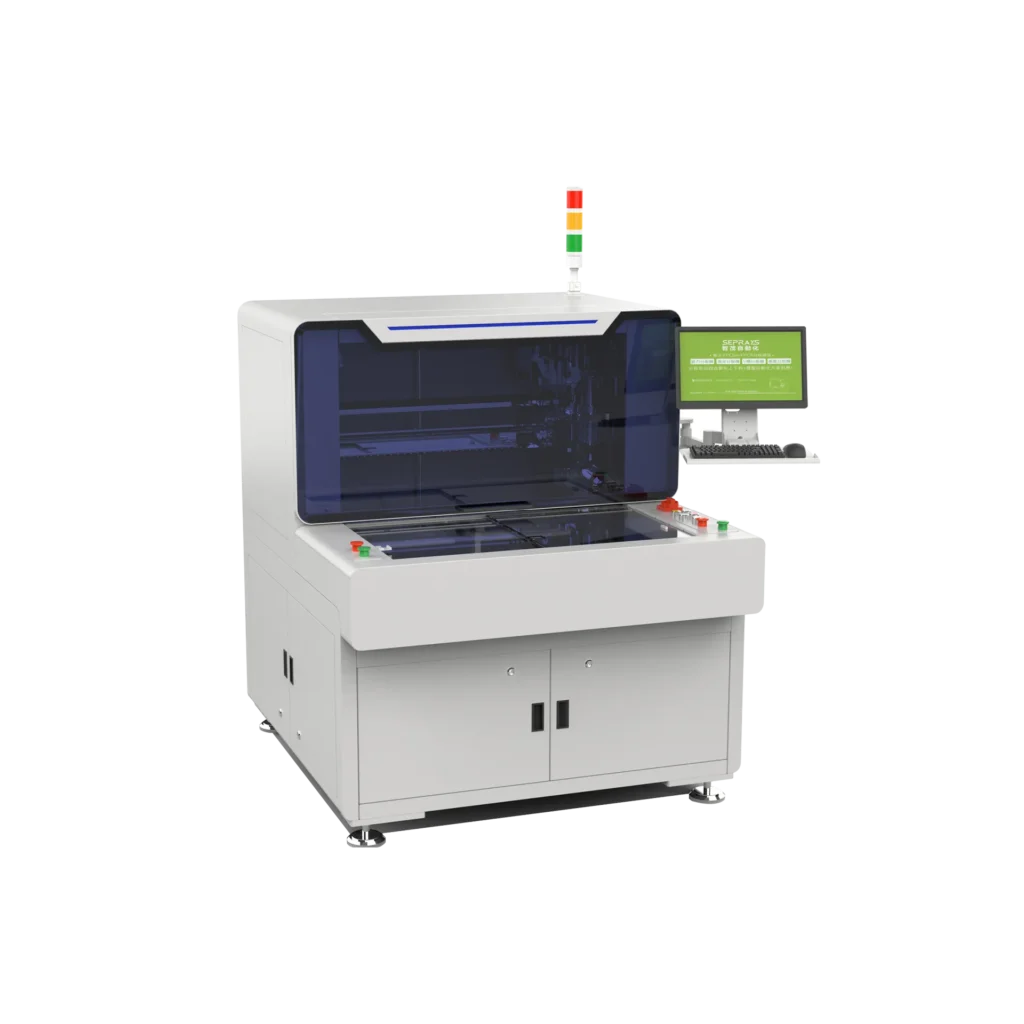
🛠️ How CCD Vision Systems Improve Accuracy
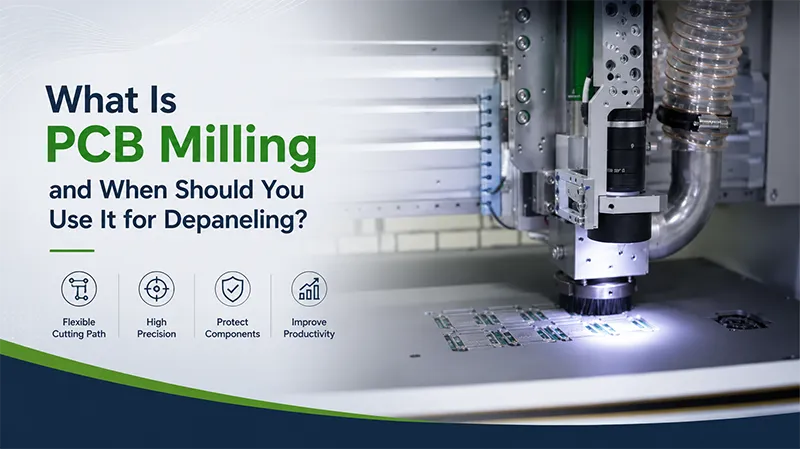
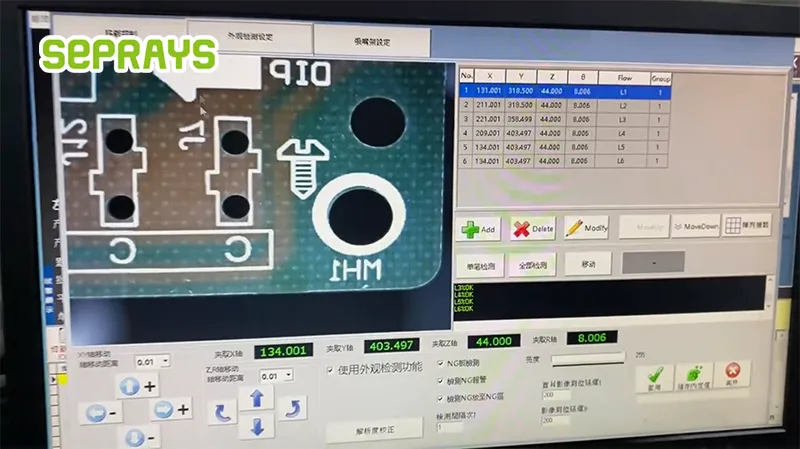
Modern depaneling systems increasingly use CCD vision alignment.
Why?
PCB positioning errors create cutting inconsistency.
Especially for:
- High-density PCBA
- Small modules
- Irregular outlines
- Flexible boards
CCD systems help:
- Reduce alignment errors
- Improve repeatability
- Lower setup time
- Support high-mix production
This becomes especially useful in smart factory environments.
🤖 Inline or Offline Depaneling?
Another important decision.
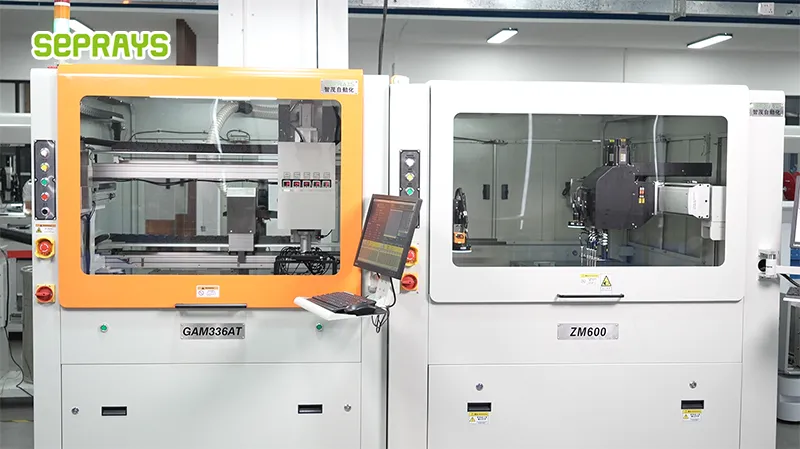
Inline Systems
Best for:
- High-volume production
- Automated SMT lines
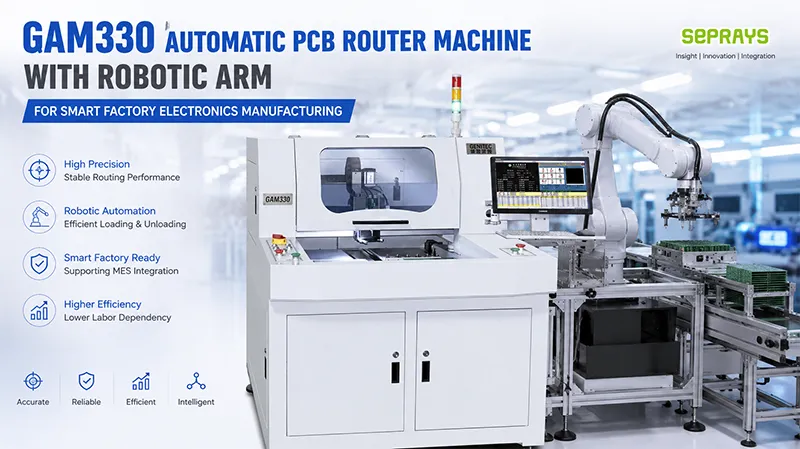
- Reduced labor dependency
Offline Systems
Better for:
- Flexible low-volume production
- Frequent product switching
- Limited factory space
Interestingly, some factories in 2026 are moving back to semi-inline hybrid layouts because they provide better flexibility for mixed production.
This is a more practical approach than blindly pursuing full automation.
💡 Questions to Ask Before Buying
Before choosing a PCB separation solution, ask:
- How sensitive are the components near the edge?
- What is the acceptable stress level?
- Will product designs change frequently?
- Is automation required?
- What is the expected production volume?
- How much downtime can your line tolerate?
- Do you need traceability or MES integration?
These questions matter more than marketing brochures.
📈 Why Hybrid Solutions Are Growing
Some modern PCB designs combine:
- V-cut lines
- Mouse bites
- Irregular outlines
One machine may not handle everything efficiently.
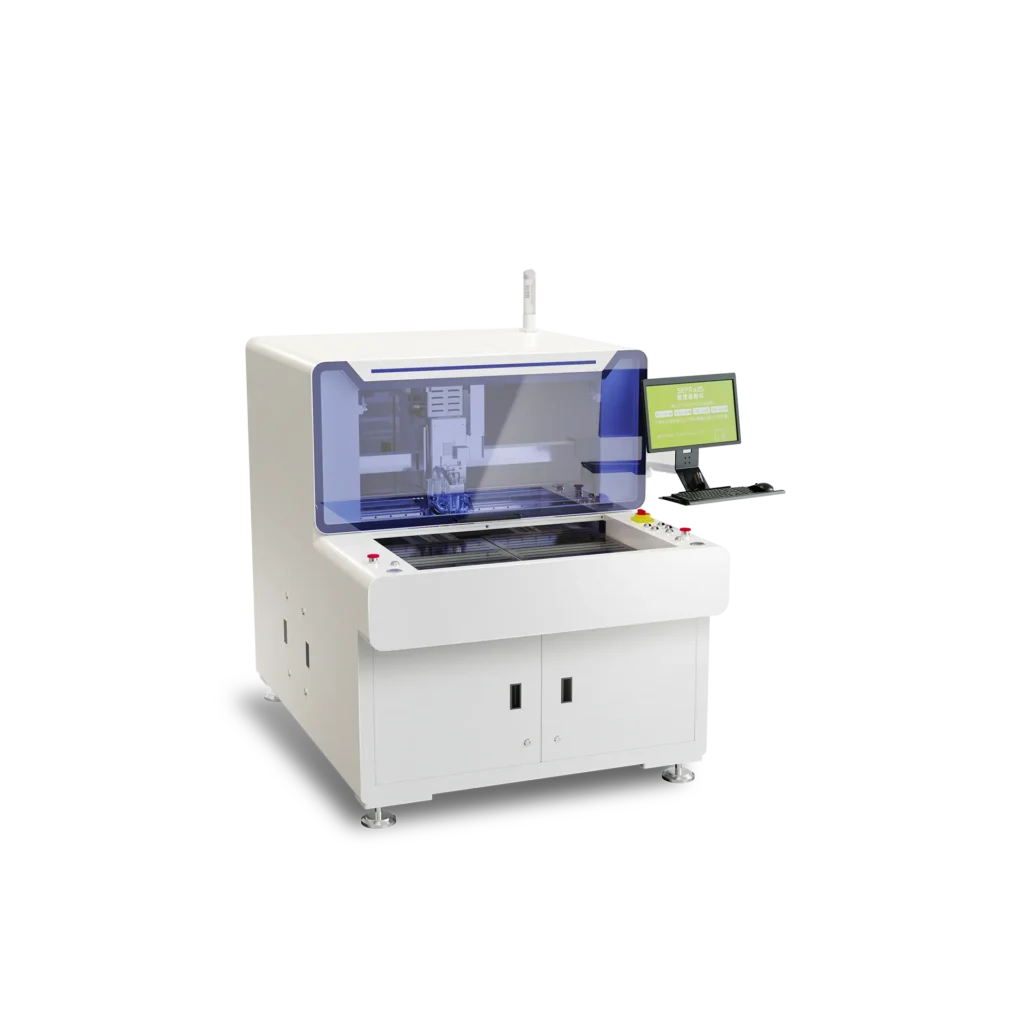
Hybrid depaneling systems combine:
- Router flexibility
- Saw blade efficiency
This helps manufacturers support mixed production with fewer process limitations.
Especially for:
- Automotive electronics
- Industrial PCBA
- High-mix EMS factories
🌍 The Direction of PCB Separation in 2026
The industry is moving toward:
- Lower stress
- Higher automation
- Smarter vision systems
- Flexible production compatibility
- Better traceability
Factories are no longer asking:
“What is the cheapest machine?”
They are asking:
“What gives the most stable long-term yield?”
That is a major shift.
And probably the right one.
Why Choose Seprays Group?
With more than 30 years of industry experience, Seprays Group has continued to support global electronics manufacturers with reliable PCB/FPC depaneling solutions for demanding production environments.
Seprays Group provides a complete range of technologies, including:
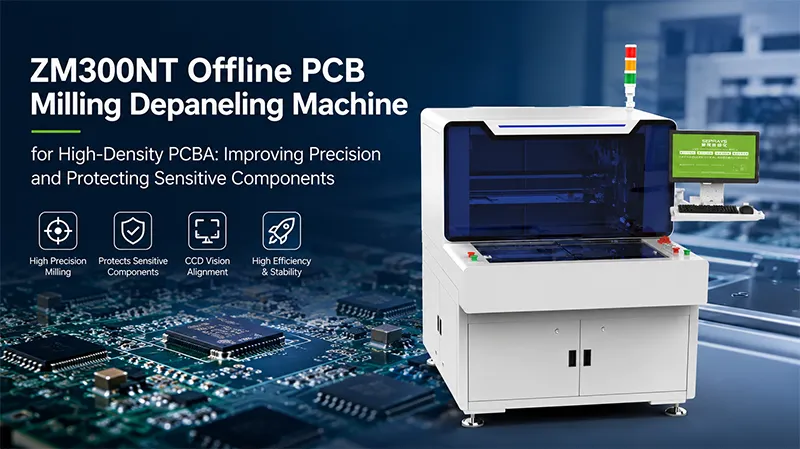
- Milling-cutter depanelers
- Laser depanelers
- Съемники с V-образными пазами
- Punching depanelers
- Automated handling and inline systems
Our equipment is trusted by leading manufacturers such as Foxconn, Flextronics, State Grid, Luxshare, Compal, Wistron, China Electronics, Quanta, CRRC, China Aerospace, OPPO, ZTE, and Bosch.
These systems are widely used across automotive electronics, EV manufacturing, communication equipment, semiconductor applications, consumer electronics, and industrial automation factories worldwide.
Beyond equipment supply, Seprays Group also helps customers evaluate process compatibility, PCB structure requirements, automation integration, and long-term production stability.
If you are evaluating the right PCB separation solution for your production line, feel free to contact us for technical discussion and application recommendations.
WhatsApp: +8618929266433
Электронная почта: sales@seprays.com
Вопросы и ответы
1. What is the lowest-stress PCB separation method?
Laser depaneling is generally considered one of the lowest-stress methods, especially for flexible PCB and sensitive high-density assemblies.
2. When should I choose router depaneling?
Router depaneling is suitable for irregular PCB shapes, mouse-bite panels, and applications requiring lower mechanical stress.
3. Is saw blade depaneling still useful in 2026?
Yes. Saw blade systems remain highly efficient for straight-line cutting and high-volume production environments.
4. What is the benefit of CCD vision alignment?
CCD vision systems improve cutting accuracy, reduce positioning errors, and help support high-mix production with faster changeovers.
5. How do I know if I need inline depaneling automation?
If your SMT line suffers from manual handling delays, unstable throughput, or high labor dependency, inline automation may significantly improve production efficiency.