.png)
 Russian
  English
  Spanish
  Japanese
  Korean
  Chinese
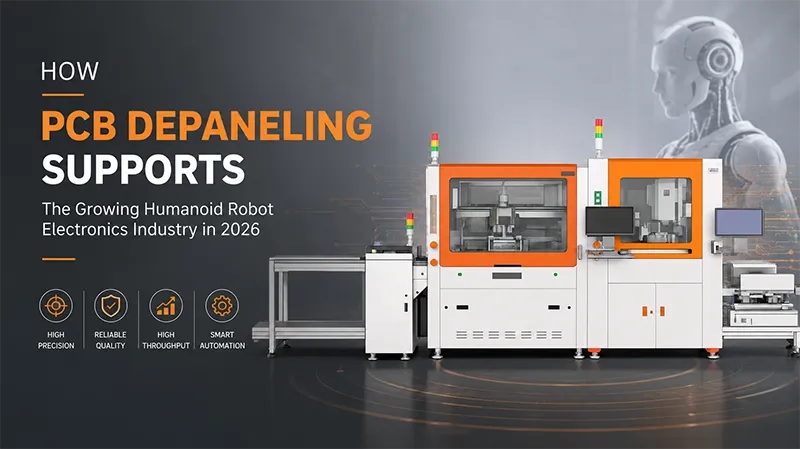
Seprays specializes in PCB/FPC depaneling technology and automated manufacturing solutions. For electronics manufacturers, the real challenge is not simply separating a PCB from a panel. It is finding a method that protects components, maintains cutting consistency, and fits the existing production workflow.
If you are comparing equipment suppliers, understanding the available technologies is a practical place to start.
🔍 What Does Seprays Actually Do?
Seprays develops and manufactures equipment for separating printed circuit boards (PCBs) and flexible printed circuit boards (FPCs).
Its solutions cover several production needs:
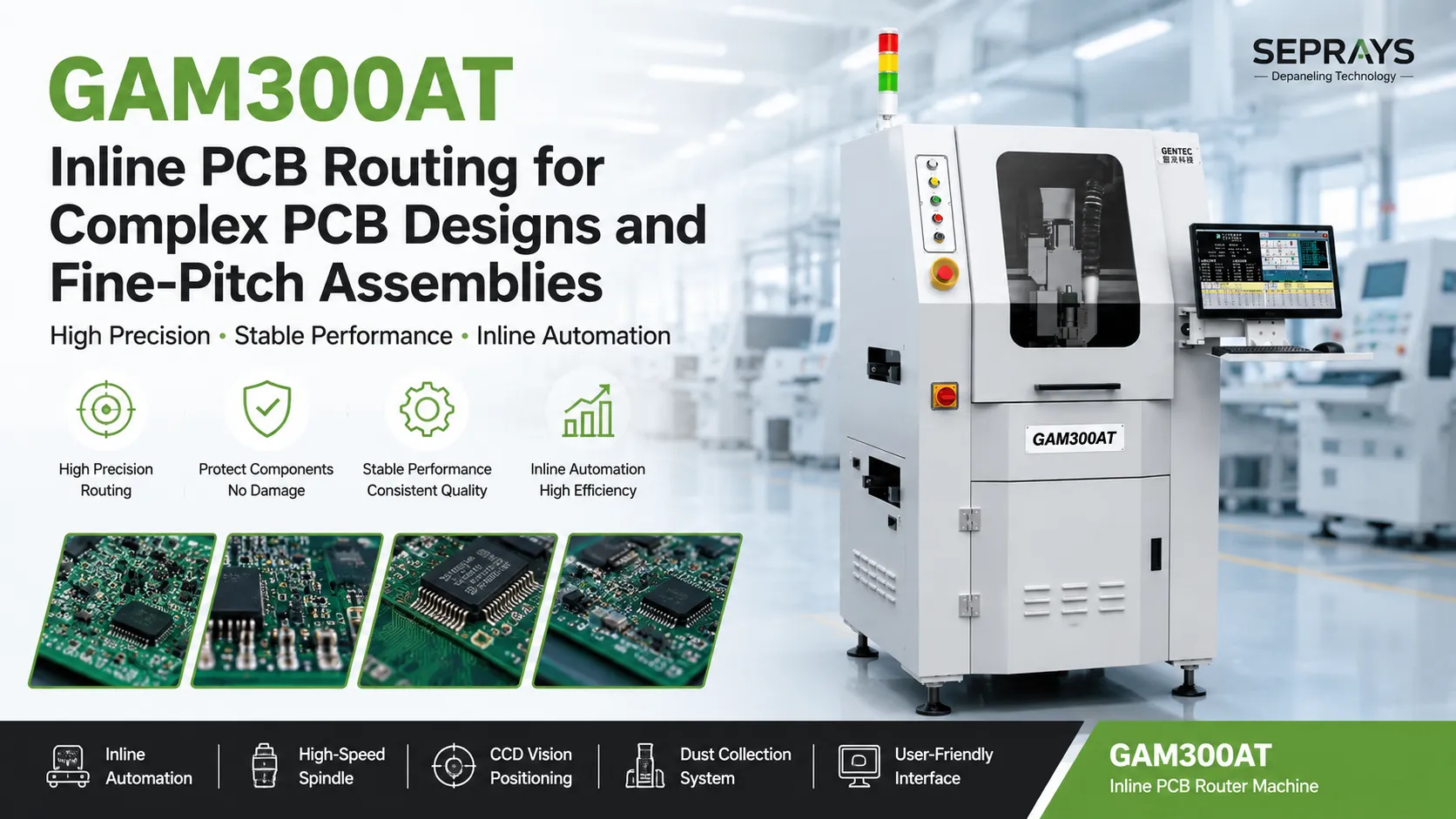
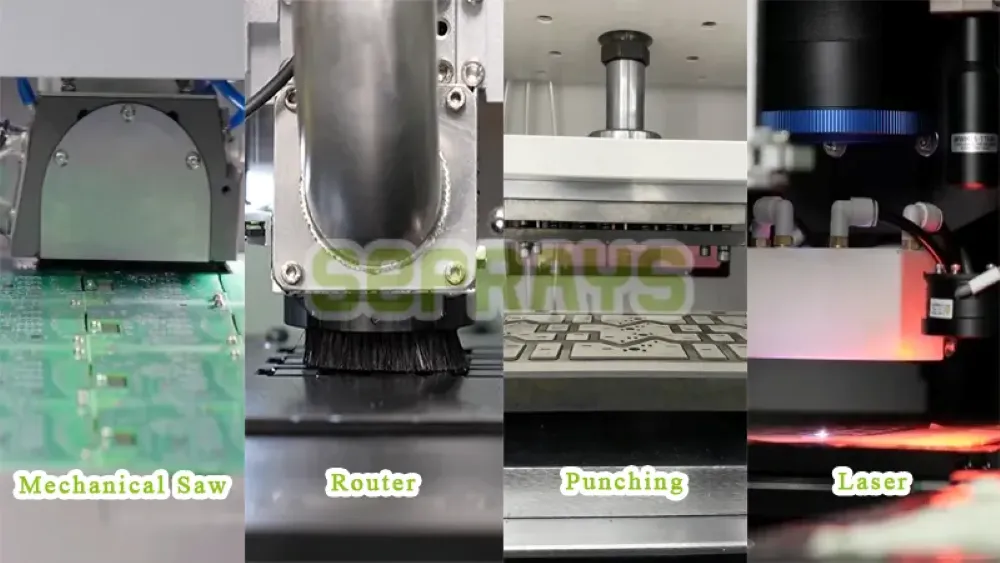
- Milling-cutter depaneling: Suitable for complex board outlines and programmable cutting paths.
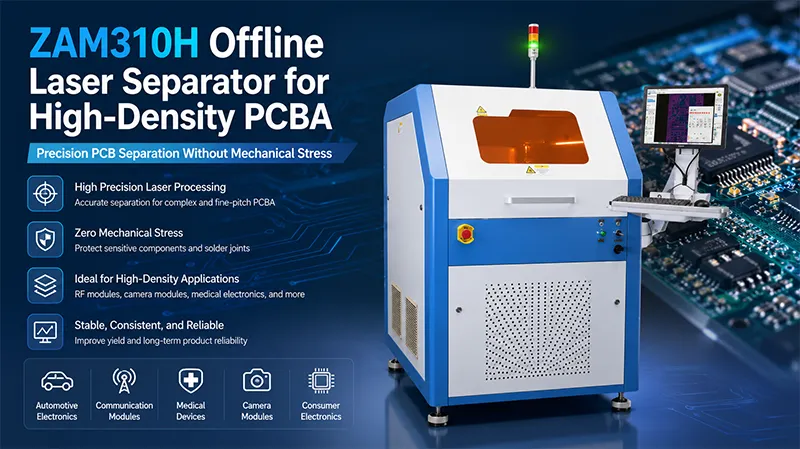
- Laser depaneling: Useful for applications requiring fine features and reduced mechanical cutting force.
- V-groove depaneling: Designed for panels with pre-scored separation lines.
- Punching depaneling: Suitable for compatible board designs using dedicated tooling.
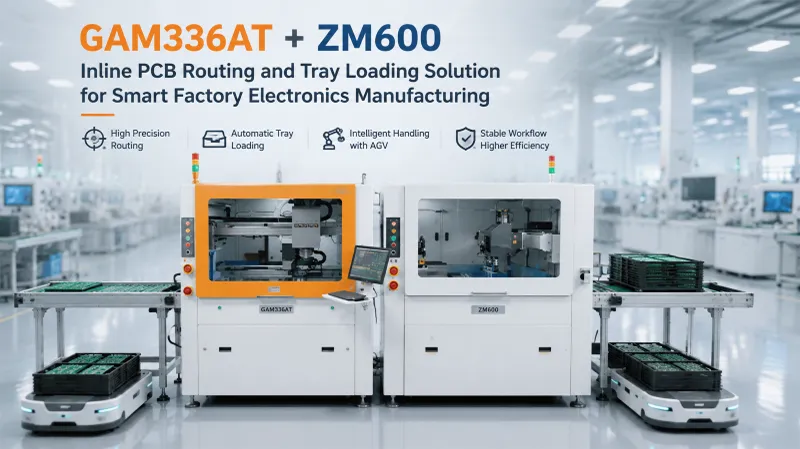
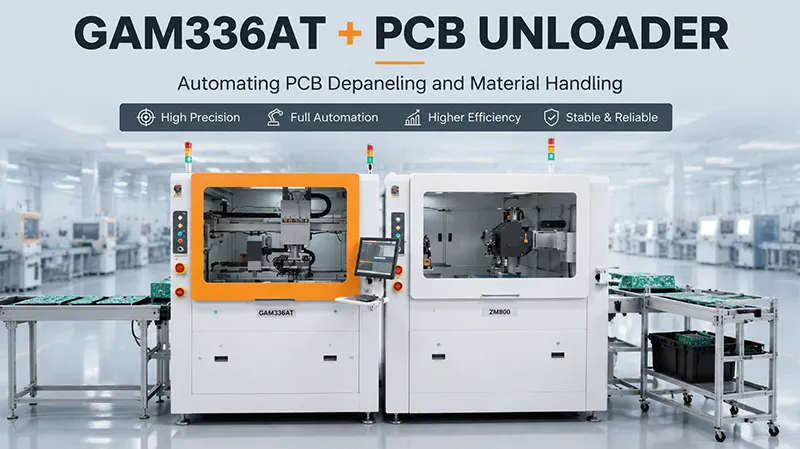
- Automated handling: Connects depaneling with loading, unloading, transfer, and tray-handling processes.
The key point is that these methods aren’t interchangeable. The right choice depends on board material, thickness, component clearance, panel design, required output, and acceptable edge quality.
⚙️ How Do You Choose the Right Technology?
A common purchasing mistake is to compare machine prices before confirming the cutting method.
A lower initial price may not represent the lower total cost if the process creates excessive rework, requires frequent manual handling, or cannot accommodate future product changes.
| Technology | Often suitable for | Key consideration |
|---|---|---|
| Milling cutter | Complex outlines and curved paths | Cutter wear, dust extraction, and tool paths |
| Laser | Fine features and low mechanical cutting force | Material compatibility, heat effects, and fume extraction |
| V-groove | Pre-scored panels | Groove design, component clearance, and board stress |
| Punching | Compatible designs with repeatable geometry | Tooling cost and design flexibility |
| Automated handling | Repetitive, connected production workflows | Integration, transfer accuracy, and line balance |
These are general guidelines, not universal rules. Sample testing should confirm whether a process meets the actual production requirements.
🏭 A Practical Example from Overseas Electronics Manufacturing
Consider an overseas semiconductor-related electronics manufacturer producing assembled control boards.
Its production team wants to reduce manual handling and maintain consistent separation quality as order volumes increase.
Instead of choosing equipment based on speed alone, the team evaluates the PCB drawings, cutting paths, panel dimensions, component positions, dust requirements, and downstream transfer process.
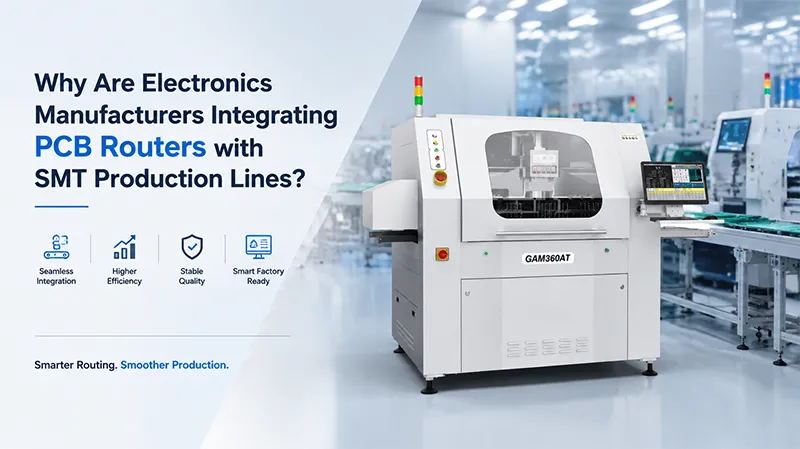
For boards with irregular outlines, a milling solution may be worth evaluating. If the product requires a different separation method, laser or another technology may be more appropriate.
Seprays can be a solution partner to match equipment to the process. Its wider portfolio also allows manufacturers to assess whether loading, unloading, and tray handling should be integrated into the same workflow.
This is an illustrative application scenario, not a claim about a specific named customer installation.
💰 Why Look Beyond the Purchase Price?
The total cost of a depaneling process includes more than the machine itself.
Consider the following:
- Initial equipment investment
- Cutting tools or dedicated tooling
- Operator time and manual transfers
- Routine maintenance and cleaning
- Scrap, inspection, and rework
- Integration and future product changes
For low-volume production, a standalone machine may be the sensible choice. For repetitive, high-volume production, automation may offer greater value by reducing handling and stabilizing the workflow.
The counterintuitive lesson is that a more automated machine is not automatically the most economical option. The best investment solves a measurable production problem.
🌍 Why Choose Seprays Group?
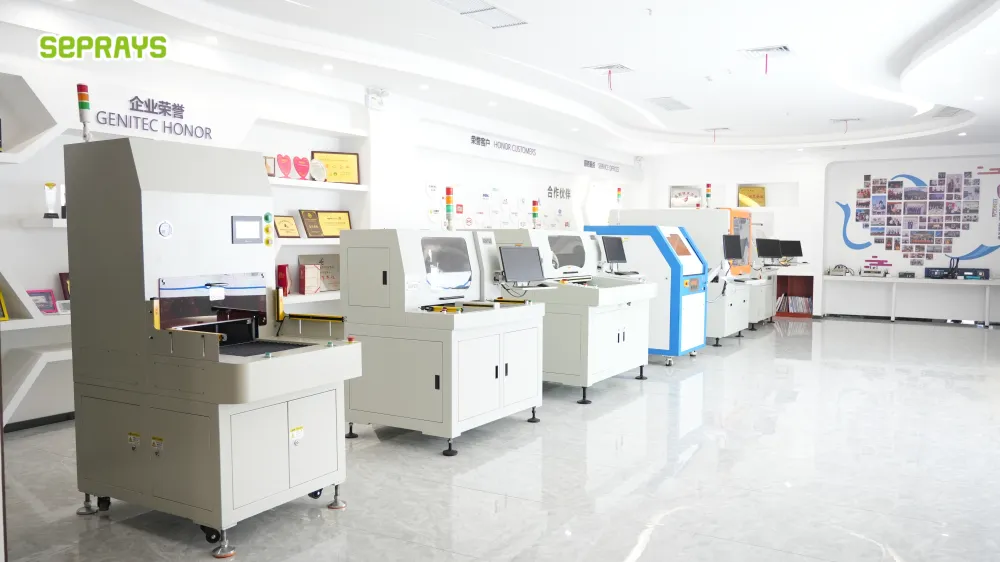
Seprays Group has been dedicated to PCB/FPC depaneling technology for more than 30 years, with its history dating back to 1993. It provides a full range of solutions, including milling-cutter depanelers, laser depanelers, V-groove depanelers, punching depanelers, and automated handling systems.
Its equipment is trusted by leading manufacturers, including Foxconn, Flextronics, State Grid, Luxshare, Compal, Wistron, China Electronics, Quanta, CRRC, China Aerospace, OPPO, ZTE, and Bosch. Seprays equipment is used in factories across China and worldwide.
For manufacturers, the value lies in having multiple technologies to evaluate against different PCB designs and production requirements. Seprays integrates R&D, manufacturing, sales, and technical service to support equipment selection and implementation.
If you are planning a new production line or improving an existing process, please contact Seprays Group with your PCB drawings, panel dimensions, material, production volume, and quality requirements. These details help identify a suitable solution.
WhatsApp: +8618929266433
Электронная почта: sales@seprays.com
❓ FAQ
1. What is Seprays’ main business?
Seprays specializes in PCB/FPC depaneling equipment and related automation solutions for electronics manufacturing.
2. Which types of depaneling machines does Seprays offer?
Its portfolio includes milling-cutter, laser, V-groove, and punching machines, along with automated handling systems.
3. Which depaneling method is best for complex PCB outlines?
Milling is often a suitable option for complex or curved paths, but the final choice depends on board design, components, material, and quality requirements.
4. Does Seprays provide automated production solutions?
Yes. Its portfolio includes loading, unloading, and handling solutions that can support integration with broader production workflows.
5. What information is needed to select a suitable machine?
Provide PCB drawings, panel dimensions, material and thickness, component clearance, expected output, and any requirements for edge quality, dust control, or line integration.