.png)
 Russian
  English
  Spanish
  Japanese
  Korean
  Chinese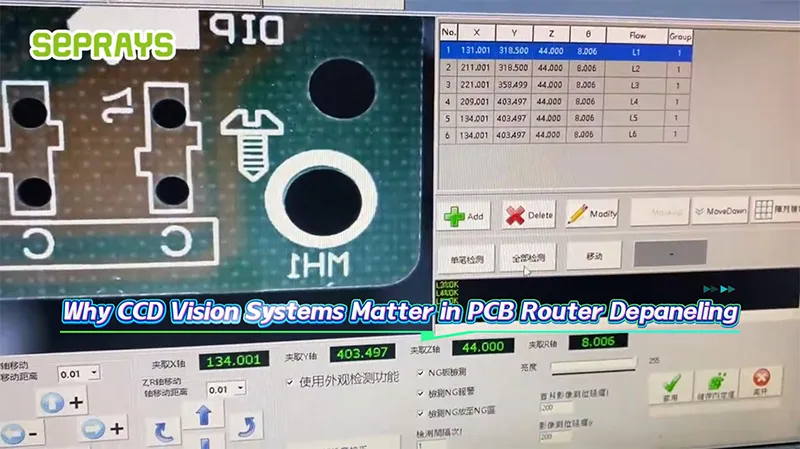
CCD Vision System technology has quietly become one of the most important upgrades in modern PCB router depaneling.
Not because it makes machines look more advanced.
But because PCB manufacturing tolerances are getting tighter every year.
Smaller boards.
Higher-density layouts.
Components closer to cutting edges.
Without accurate positioning, even a high-end depaneling machine can produce unstable results.
And in 2026, instability is expensive.
🔍 What Does a CCD Vision System Actually Do?
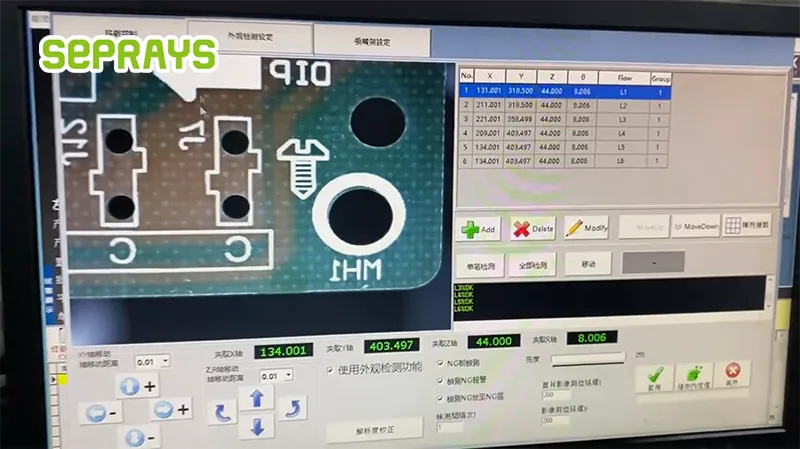
In simple terms, a CCD vision system helps the depaneling machine “see” the PCB.
It automatically identifies:
- Fiducial marks
- Board position
- Alignment deviation
- Cutting path reference points
This allows the machine to correct positioning in real time.
Especially important when:
- PCB placement shifts slightly
- Panels expand or shrink
- Complex shapes require high precision
⚙️ Why Manual Alignment Is No Longer Enough
Years ago, manual positioning worked for many products.
Today?
Not always.
Modern PCBAs often include:
- Fine-pitch components
- Edge-sensitive devices
- Irregular outlines
- Thin materials
Even tiny alignment errors can cause:
- Component damage
- Edge cutting defects
- Reduced yield
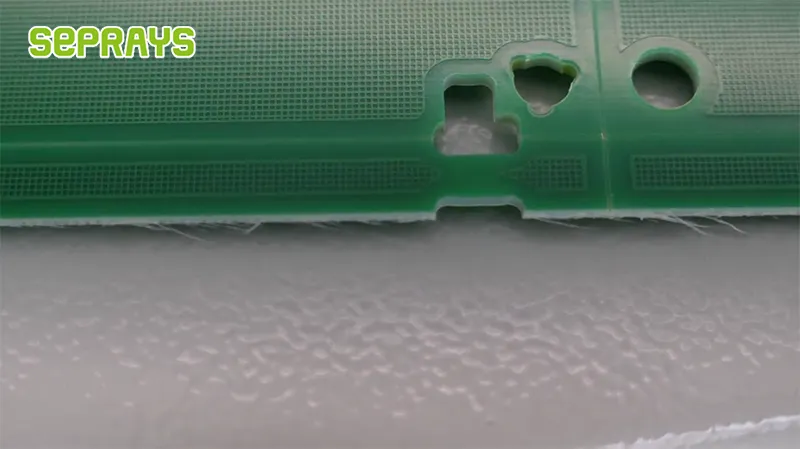
💥 Common Problems Without CCD Alignment
Factories often notice these issues first:
1. Inconsistent Cutting Accuracy
The cutting path drifts slightly from the board edge.
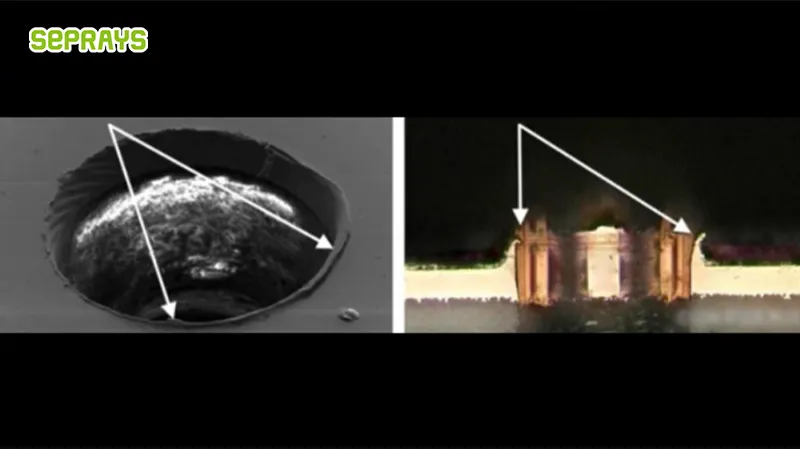
2. Damage Near Sensitive Components
Especially when parts are placed close to the depaneling line.
3. Longer Setup Time
Operators spend more time adjusting fixtures manually.
4. High-Mix Production Delays
Frequent model changes reduce efficiency.
💡 A Counterintuitive Insight
Many people assume:
“CCD systems are only needed for ultra-high-end PCBs.”
But in reality:
Even standard consumer electronics benefit from better alignment.
Why?
Because stable accuracy reduces hidden production cost.
Not just visible defects.
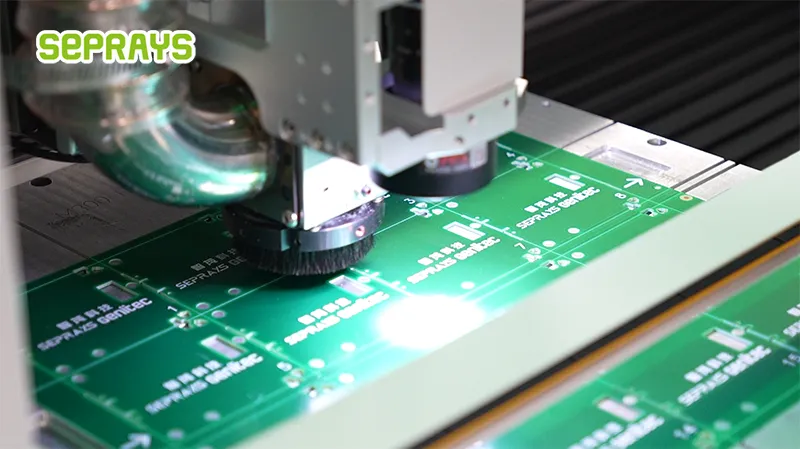
🧩 Where CCD Vision Systems Deliver the Biggest Value
1. High-Density PCBs
When components are close to the edge.
2. Flexible and Rigid-Flex Boards
These materials shift more easily during handling.
3. High-Mix Production
Fast program switching becomes critical.
4. Automated SMT Lines
Manual adjustment becomes a bottleneck.
📊 PCB Router Depaneling — With vs Without CCD
| Factor | Without CCD Vision | With CCD Vision System |
|---|---|---|
| Alignment Accuracy | Operator-dependent | High and repeatable |
| Setup Time | Longer | Faster |
| High-Mix Flexibility | Limited | Strong |
| Risk of Cutting Deviation | Higher | Lower |
| Yield Stability | Variable | With the CCD Vision System |
🧪 Case Example — Improving Yield with Vision Alignment
A manufacturer producing automotive control PCBAs experienced:
- Frequent edge deviation
- Inconsistent routing accuracy
- Long changeover time
Initial setup:
- Manual alignment of routing machines
Problems became more serious as:
- PCB density increased
- Product mix expanded
After working with Сепреи, they upgraded to:
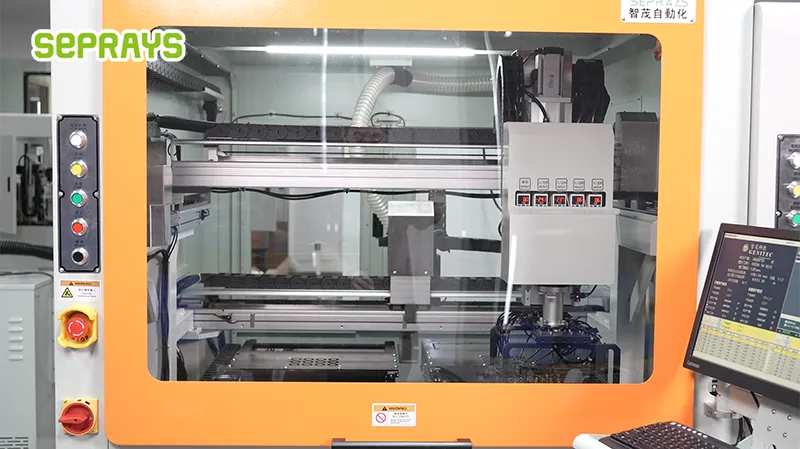
- CCD vision-guided router depaneling
- Automatic fiducial recognition
- Offline programming support
Results:
- Faster setup time
- Improved cutting precision
- Reduced operator dependency
The biggest improvement?
Consistency between batches.
🛠️ Why CCD Matters More in 2026
PCB production is changing fast.
Manufacturers are dealing with:
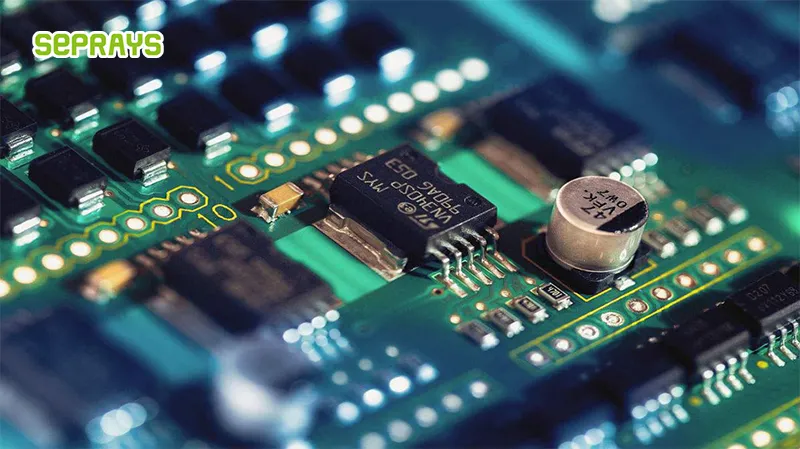
- Smaller tolerances
- Faster delivery expectations
- Labor shortages
- Increasing automation
CCD vision systems help solve these practical production problems.
Not just precision issues.
🔄 Another Important Benefit — Fixture Reduction
Traditional depaneling often relies heavily on dedicated fixtures.
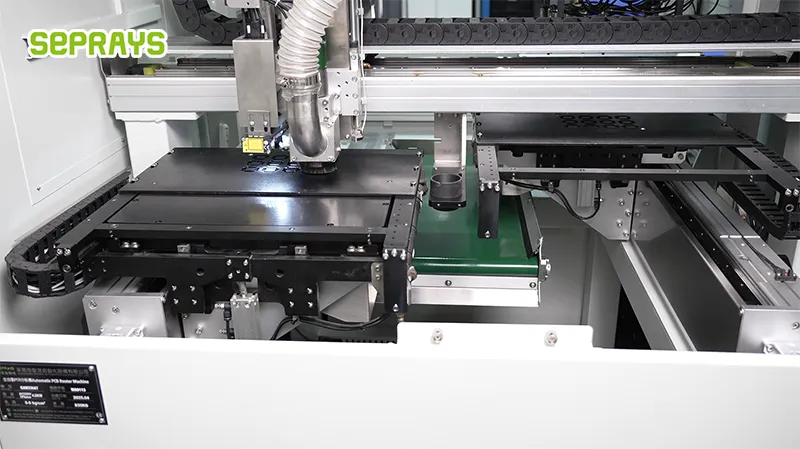
But CCD alignment allows:
- More flexible positioning
- Faster model switching
- Fixture-less or semi-fixture-less production
This becomes extremely valuable in high-mix manufacturing.
💰 Cost Perspective — Is CCD Worth the Investment?
At first glance:
CCD systems increase equipment cost.
But long-term savings often include:
- Lower defect rates
- Reduced setup labor
- Faster changeovers
- Better production stability
For many factories, ROI becomes visible faster than expected.
🚀 Common Misunderstandings About CCD Systems
Some buyers focus only on camera resolution.
But successful implementation depends on:
- Software algorithms
- Lighting stability
- Motion control accuracy
- Integration with the routing system
The camera alone is not the solution.
The full system matters.
🌍 Industry Trend — Vision-Guided Manufacturing
In 2026, more factories are moving toward:
- Smart manufacturing
- Automated process correction
- Real-time quality control
CCD-guided depaneling fits naturally into this trend.
It improves both:
- Precision
- Production efficiency
🚀 Final Thought — Precision Is Becoming Standard
Years ago, CCD vision systems were considered optional.
Today, they are increasingly becoming standard equipment for advanced PCB depaneling.
Especially when:
- Product complexity increases
- Quality expectations rise
- Production flexibility matters
🚀 Why Choose Seprays Group?
Seprays Group helps manufacturers improve PCB depaneling precision and production efficiency through advanced CCD vision-guided solutions designed for modern SMT environments.
With over 30 years of industry experience, Seprays Group has been dedicated to PCB/FPC depaneling technology, providing a full range of solutions—milling-cutter depanelers, laser depanelers, V-groove depanelers, punching depanelers, and automated handling systems. Our equipment is trusted by globally recognized manufacturers, including Foxconn, Flextronics, State Grid, Luxshare, Compal, Wistron, China Electronics, Quanta, CRRC, China Aerospace, OPPO, ZTE, and Bosch. It is widely used in factories across China and worldwide.
By combining vision technology, automation expertise, and real production experience, Seprays helps customers achieve stable quality, faster changeovers, and more efficient PCB depaneling processes.
If you are evaluating CCD vision systems for PCB router depaneling, feel free to contact us—we’re here to help.
WhatsApp: +8618929266433
Электронная почта: sales@seprays.com
❓ FAQ
1. What is a CCD vision system in PCB depaneling?
It is a camera-based positioning system used to improve cutting accuracy.
2. Why is CCD important for router depaneling?
It reduces alignment errors and improves consistency.
3. Can CCD systems reduce setup time?
Yes, especially in high-mix production environments.
4. Are CCD systems only for complex PCBs?
No. Even standard PCB production benefits from better positioning accuracy.
5. Is CCD worth the extra investment?
In many cases, yes—because it improves yield, efficiency, and long-term production stability.