.png)
 Chinese
  English
  Spanish
  Japanese
  Korean
  Russian
How to choose a PCB depaneling supplier for your factory is not just a procurement task. It’s a long-term production decision. The wrong choice doesn’t only affect cutting quality—it impacts yield, efficiency, and even delivery schedules.
Many factories realize this too late.
Usually, after problems start showing up on the line.
🔍 Why Supplier Choice Matters More Than You Think
At first glance, most depaneling machines look similar.
But in real production, differences appear quickly:
- Edge quality varies
- Machine stability changes over time
- Support response speed affects downtime
- Integration capability limits automation
The supplier is not just selling equipment.
They are shaping your process capability.
⚙️ Start from Your Production Reality (Not the Machine)
Before comparing suppliers, define your own conditions:
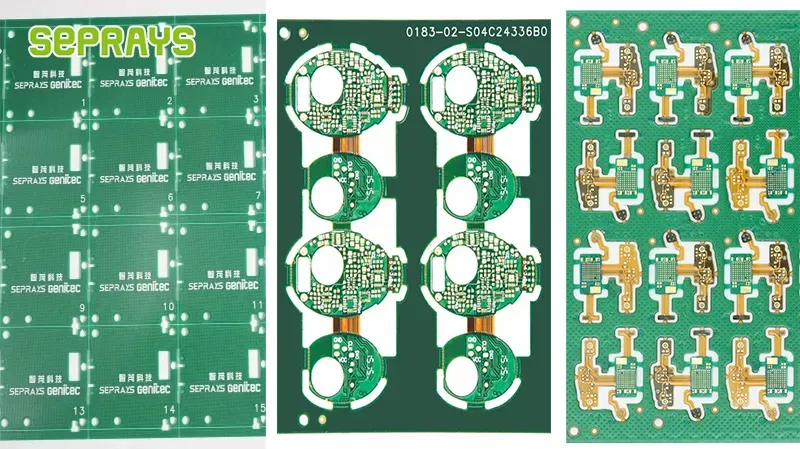
- PCB type (rigid, flex, rigid-flex)
- Production mode (high-volume vs high-mix)
- Automation level (offline vs inline)
- Quality requirements (consumer vs automotive/medical)
Without this, even the best machine may not fit.
A common mistake:
Choosing based on specs, not application.
⚡ Key Evaluation Criteria (What Actually Matters)
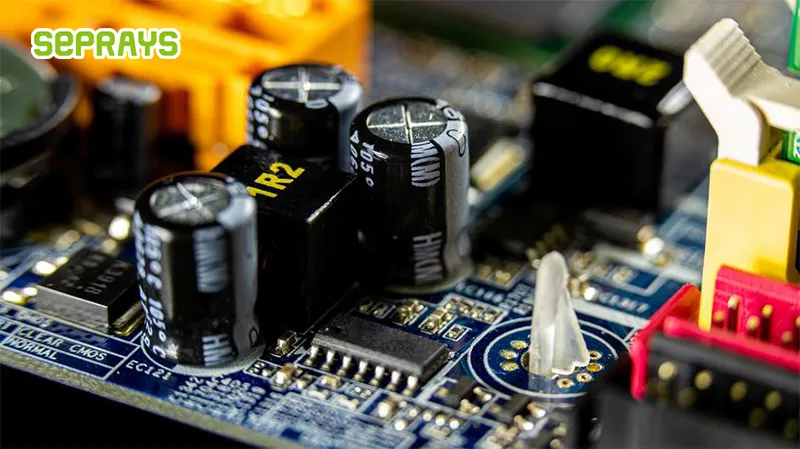
1. Application Experience
Does the supplier understand your industry?
Ask:
- Have they worked with similar PCB types?
- Can they show real case results?
Experience reduces trial and error.
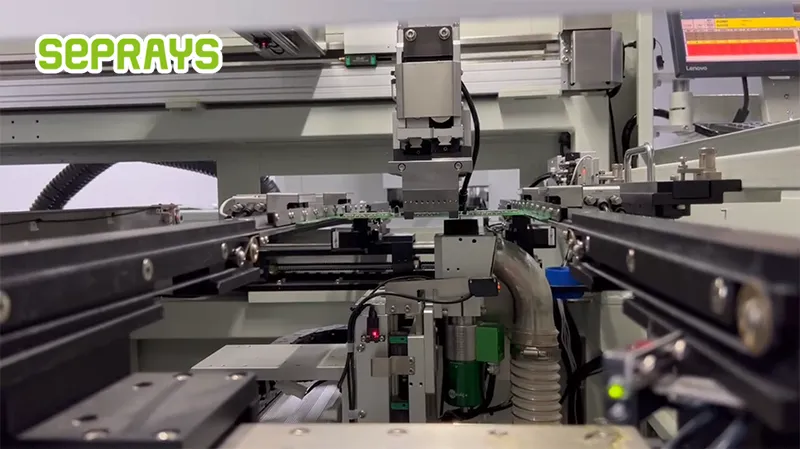
2. Process Capability (Not Just Equipment)
Good suppliers don’t just sell machines.
They provide:
- Cutting parameter optimization
- Fixture or fixture-less solutions
- Process recommendations
This directly affects yield.
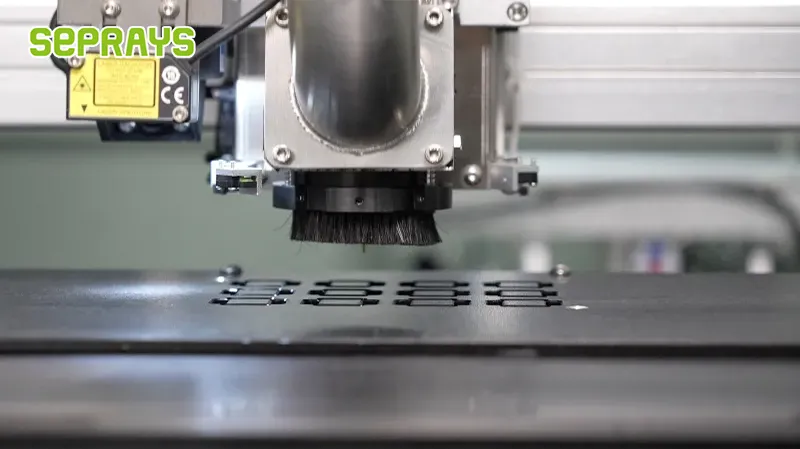
3. Equipment Stability Over Time
Short-term performance is easy.
Long-term consistency is harder.
Check:
- Tool wear management
- Machine calibration stability
- Failure rate in real factories
Ask for data, not promises.
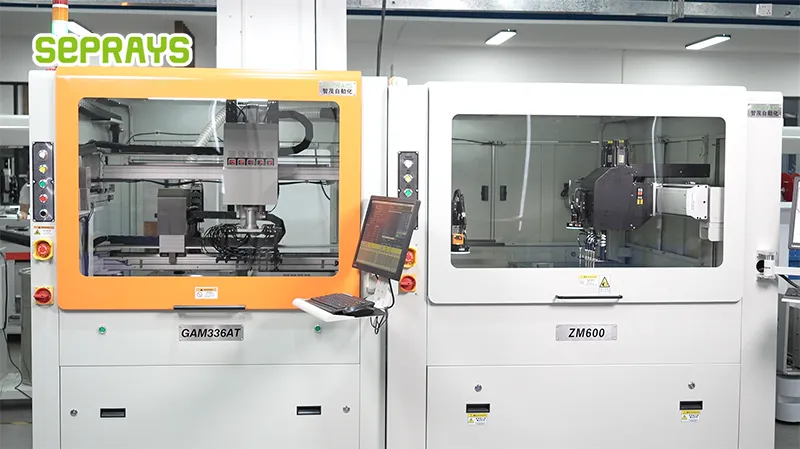
4. Integration Ability (Industry 4.0 Readiness)
Modern factories need connected systems.
Evaluate:
- Inline integration capability
- MES/ERP connectivity
- Data monitoring functions
A machine that cannot integrate will limit future upgrades.
5. After-Sales Support (Often Underestimated)
This is where many decisions fail.
Key questions:
- Response time?
- Remote support availability?
- Spare parts lead time?
Downtime cost is often higher than machine cost.
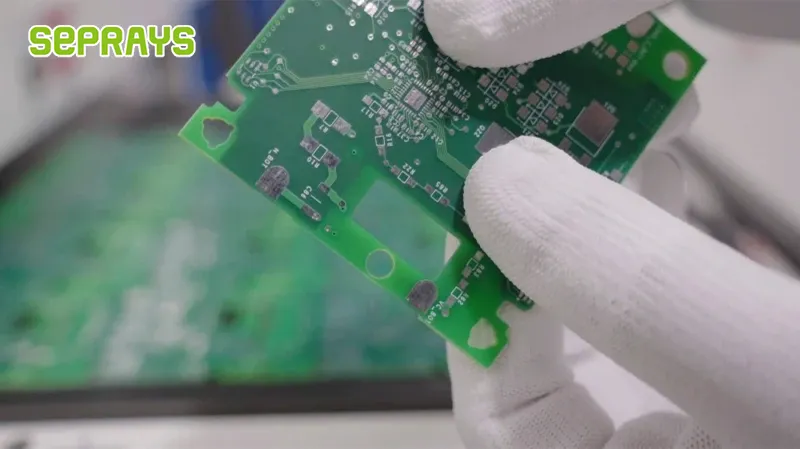
📊 Comparing Different Supplier Types
| Supplier Type | Strengths | Limitations |
|---|---|---|
| Low-cost vendors | Lower initial price | Limited support, unstable quality |
| Equipment-focused | Good hardware | Weak process support |
| Solution providers | Process + integration | Higher initial investment |
Counterintuitive insight:
The cheapest supplier is often the most expensive long-term.
💥 Real Pain Points from Factories
From real feedback:
- “Machine works, but yield is unstable.”
- “We didn’t consider integration early.”
- “Support response is too slow.”
- “Switching products takes too long.”
These problems usually trace back to supplier selection.
Not just equipment choice.
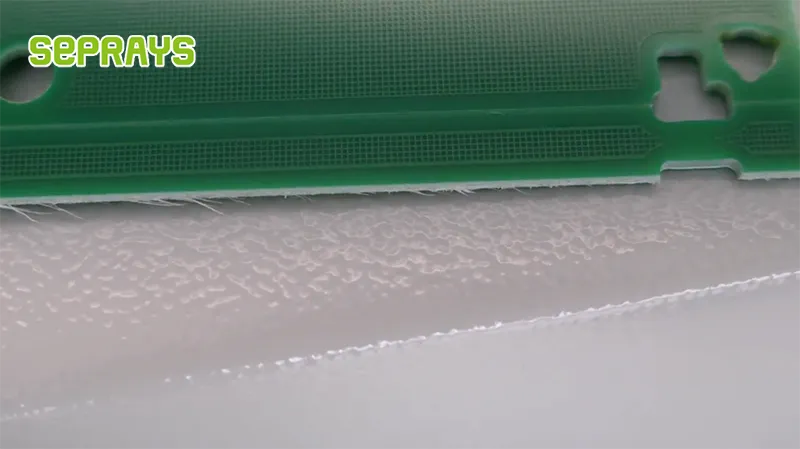
🧩 Case Example — Choosing the Right Partner
A factory producing automotive control PCBs is needed:
- High reliability
- Low stress cutting
- Inline integration
Initial attempt:
- Choose a low-cost supplier
- Faced inconsistent quality and downtime
After switching to a solution-based approach with Seprays:
- Process parameters were optimized
- Inline integration improved flow
- Support response reduced downtime
Results:
- Improved yield
- More stable production
- Better long-term cost control
The difference was not just the machine.
It was the support behind it.
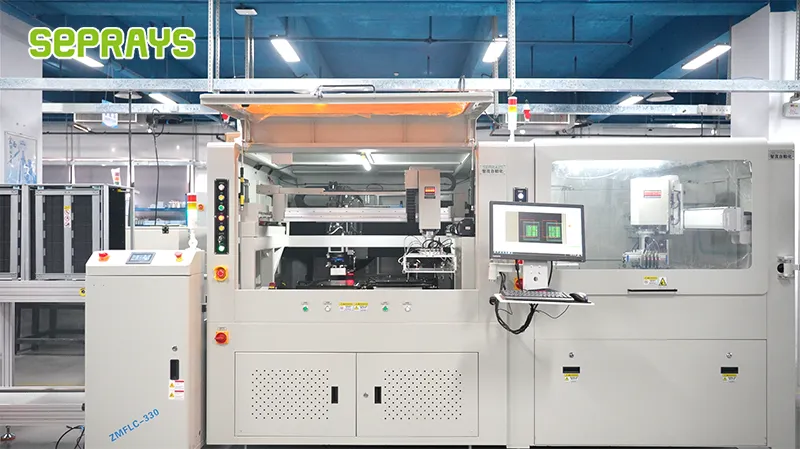
💰 Cost Analysis — What You Should Really Compare
Don’t compare only the purchase price.
Consider total cost:
- Scrap and rework
- Downtime losses
- Labor dependency
- Maintenance and support
A higher upfront investment can reduce long-term cost.
This is often misunderstood.
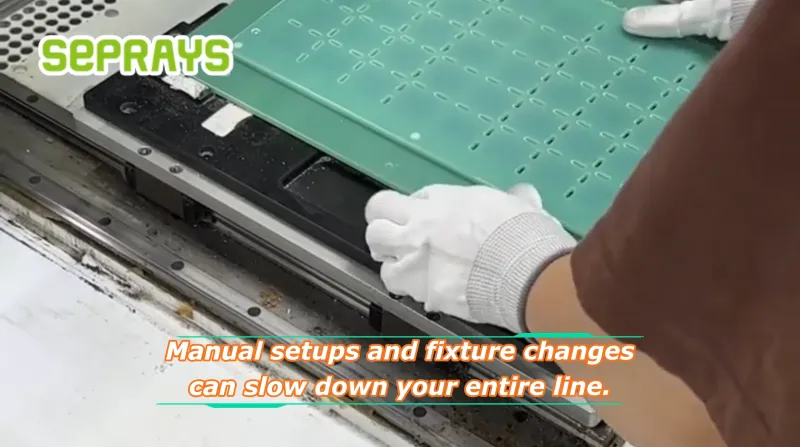
🔄 Practical Checklist Before You Decide
Before choosing a supplier, verify:
- ✔ Real case studies in your industry
- ✔ Equipment running in similar factories
- ✔ Process support capability
- ✔ Integration readiness
- ✔ Service response speed
If possible, visit reference customers.
Or request trial testing.
🛠️ Common Mistakes to Avoid
- Choosing based only on price
- Ignoring future scalability
- Underestimating after-sales support
- Not testing with real PCB samples
These mistakes are avoidable.
But very common.
🚀 Final Thought — Supplier = Long-Term Partner
A PCB depaneling supplier is not just a vendor.
They are part of your production system.
The right partner helps you:
- Improve efficiency
- Reduce defects
- Adapt to new products
The wrong one slows everything down.
🚀 Why Choose Seprays Group?
Seprays Group focuses on delivering complete depaneling solutions tailored to real manufacturing environments, from high-mix production to fully automated SMT lines.
Seprays Group has been dedicated to PCB/FPC depaneling technology, providing a full range of solutions—milling-cutter depanelers, laser depanelers, V-groove depanelers, punching depanelers, and automated handling systems. Leading manufacturers, including Foxconn, Flextronics, State Grid, Luxshare, Compal, Wistron, China Electronics, Quanta, CRRC, China Aerospace, OPPO, ZTE, and Bosch, trust our equipment. It is used in factories across China and worldwide.
With proven experience across industries, Seprays supports customers not only with equipment but with process optimization, integration, and long-term service.
If you are evaluating PCB depaneling suppliers, feel free to contact us.
WhatsApp: +8618929266433
❓ FAQ
1. What is the most important factor when choosing a supplier?
Application experience and process support are more important than price alone.
2. Should I choose based on equipment specs?
Specs matter, but real production performance matters more.
3. How can I verify a supplier’s capability?
Check case studies, customer references, and request sample testing.
4. Is after-sales service really that important?
Yes. Fast support reduces downtime and long-term costs.
5. What is a common mistake when selecting a supplier?
Focusing only on the initial price instead of the total cost of ownership.