.png)
 Chinese
  English
  Spanish
  Japanese
  Korean
  Russian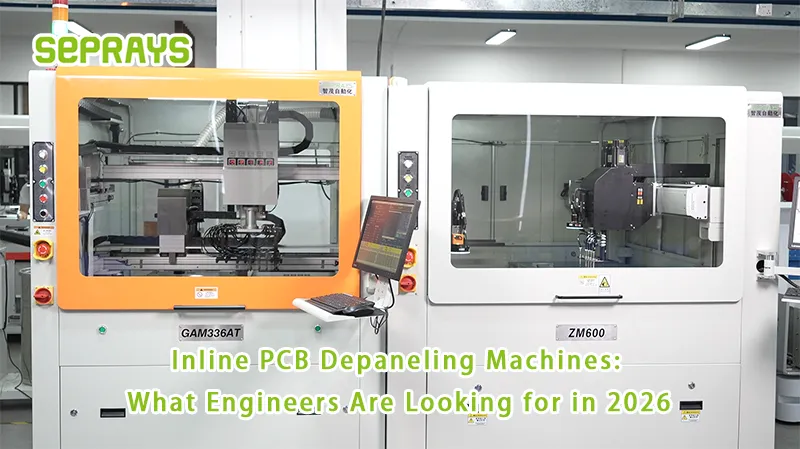
Inline PCB depaneling machines are no longer just an optional upgrade in SMT lines. In 2026, they will become a standard requirement. As production moves toward automation and smart factories, engineers are paying closer attention to how depaneling fits into the entire workflow.
It’s no longer about cutting boards faster.
It’s about cutting them smarter.
🔍 Why Inline Depaneling Is Gaining Attention
Traditional offline depaneling creates gaps in the production flow.
Common issues include:
- Manual handling between processes
- Increased risk of damage
- Inconsistent cycle times
- Higher labor dependency
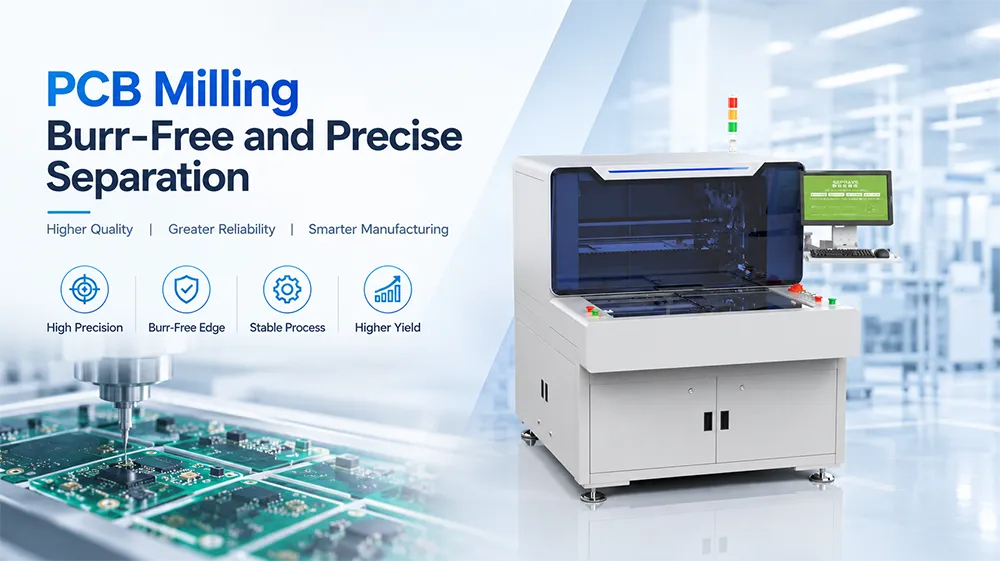
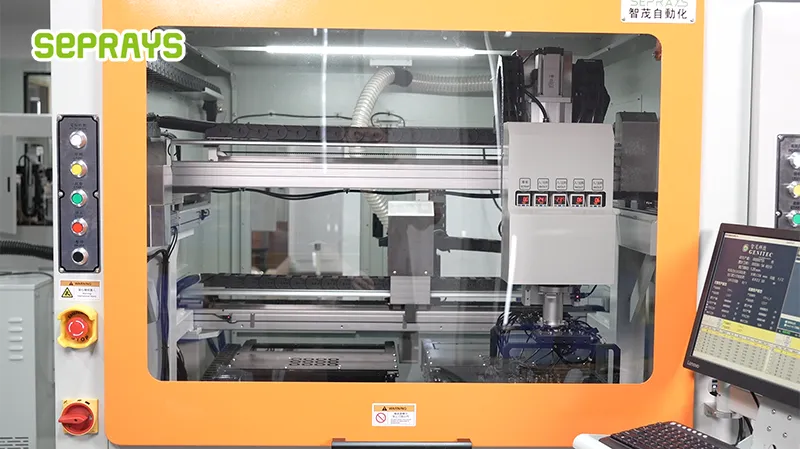
Inline PCB depaneling machines solve these problems by integrating directly into SMT lines.
The result is a more continuous and controlled process.
⚙️ What Engineers Expect in 2026
Expectations have shifted.
Engineers today are not just looking for machines.
They are looking for systems.
Key requirements include:
- Seamless SMT line integration
- Stable and repeatable performance
- Low-stress depaneling capability
- Compatibility with multiple PCB types
- Data connectivity with MES systems
Flexibility and intelligence are becoming just as important as speed.
⚡ Stress Control Is Still the Priority
Even with automation, stress remains a core concern.
High-density PCBs are sensitive.
Inline systems must ensure:
- Minimal mechanical vibration
- Stable fixtures during cutting
- Controlled cutting parameters
Many engineers now prefer:
- Router-based inline systems for flexibility
- Laser inline systems for ultra-low stress applications
The choice depends on the product.
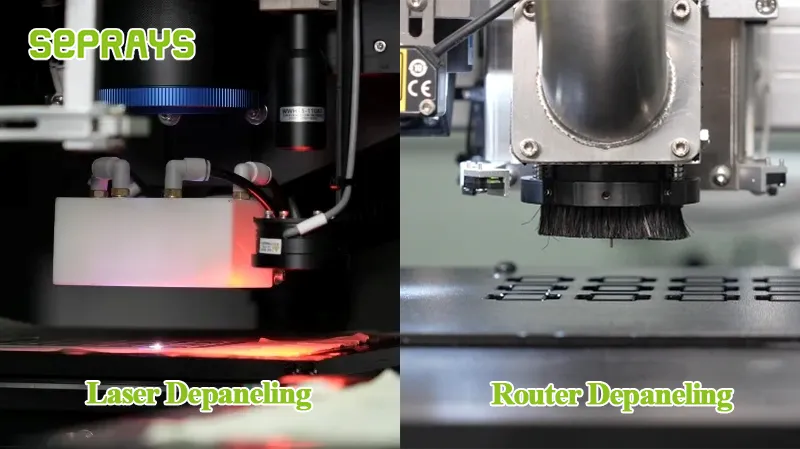
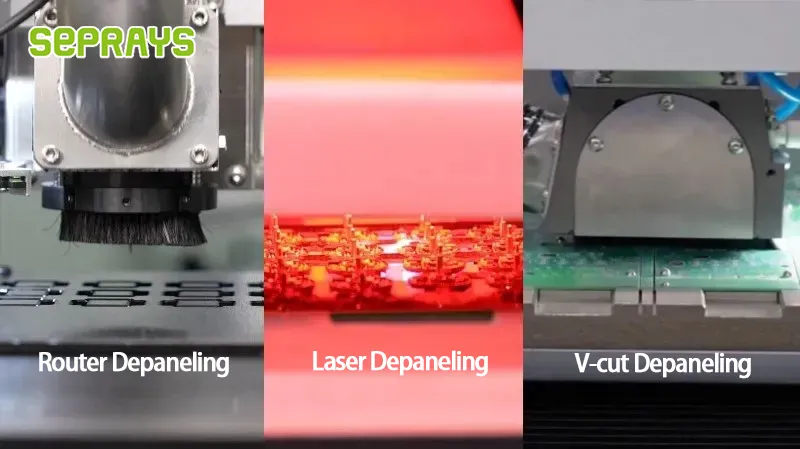
📊 Inline Depaneling Methods Comparison
| Method | Inline Capability | Stress Level | Flexibility | Typical Use Case |
|---|---|---|---|---|
| Router | 有 | 低中 | High | Complex PCBs |
| Saw Blade | 有 | 介质 | Low | Straight-line boards |
| Laser | 有 | Very Low | Very High | High-density, flex PCBs |
| V-Groove | 有 | Low | 介质 | Pre-scored panels |
Inline systems are not one-size-fits-all.
Matching the method to the application is critical.
💥 Real Pain Points Driving Inline Adoption
From production teams, common challenges include:
- Bottlenecks between SMT and depaneling
- Labor costs are increasing year by year
- Quality inconsistency from manual handling
- Difficulty scaling production
Inline depaneling directly addresses these issues.
It reduces human intervention and stabilizes output.
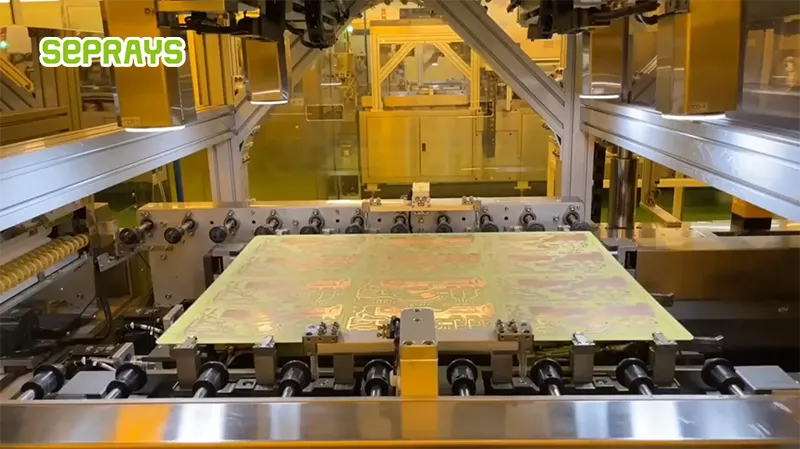
🧩 Case Study — Moving Toward Smart Manufacturing
A manufacturer producing automotive control modules faced:
- Throughput limitations due to offline depaneling
- Frequent handling damage
- Inconsistent production rhythm
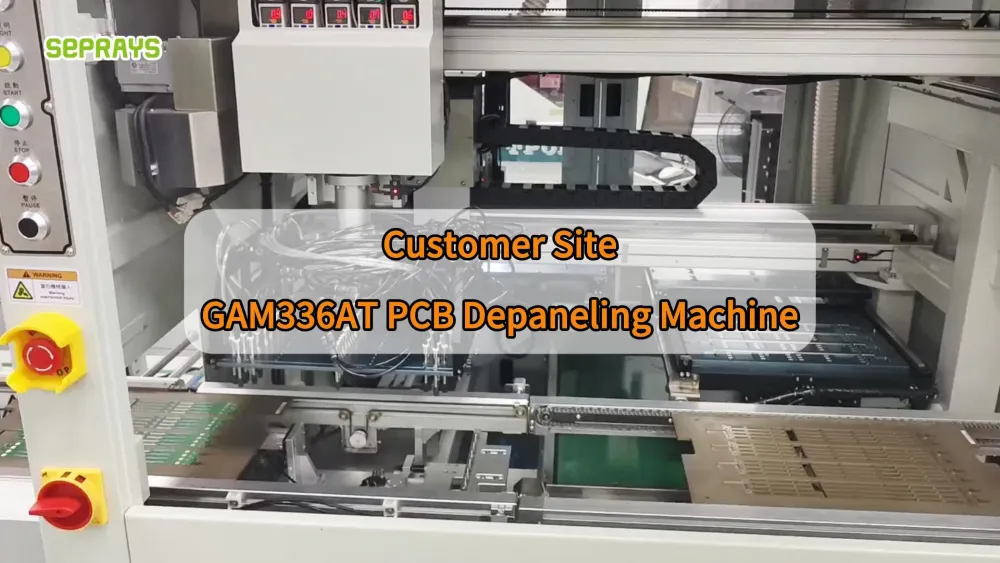
They worked with Seprays to implement an inline depaneling solution.
Approach:
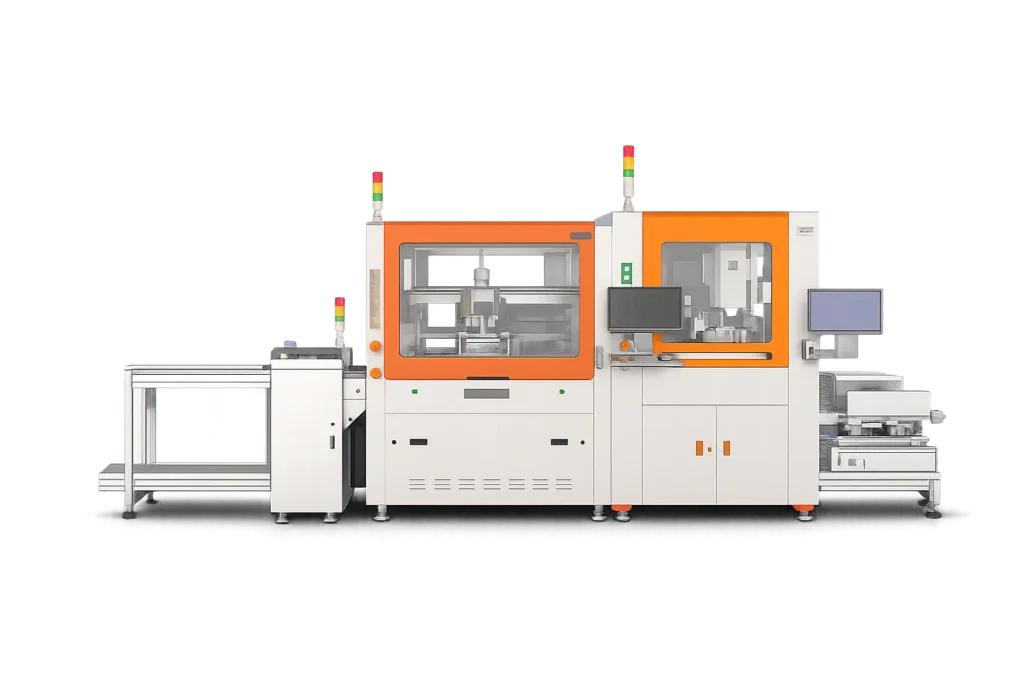
- Integrated inline router depaneling into the SMT line
- Automated loading and unloading
- Connected system to MES for traceability
Results:
- Improved line balance
- Reduced handling damage
- Increased overall efficiency
Inline integration made the difference.
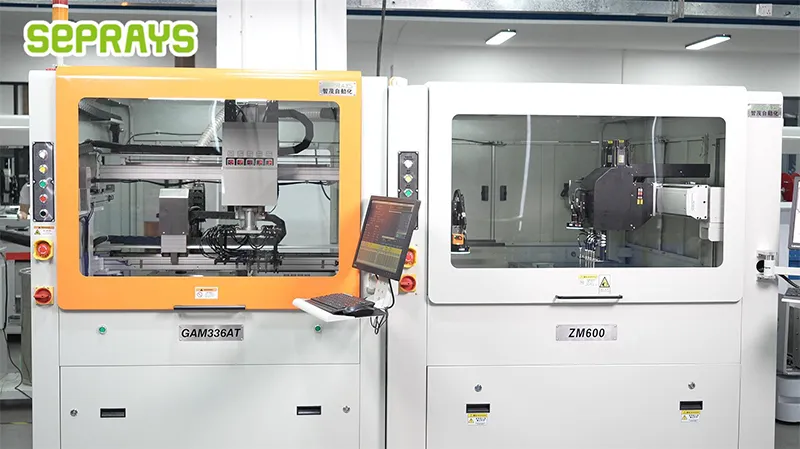
💰 Cost vs Efficiency Consideration
Inline systems require higher upfront investment.
But they reduce:
- Labor costs
- Handling-related defects
- Production delays
Over time, the benefits include:
- Higher throughput
- More stable quality
- Better scalability
For high-volume production, the return is clear.
🔄 Key Features to Look For
When selecting inline PCB depaneling machines, engineers focus on:
- Modular design for easy integration
- Vision alignment systems for accuracy
- Automatic tool or parameter adjustment
- Real-time monitoring and feedback
- Compatibility with Industry 4.0 systems
These features ensure long-term usability.
🛠️ Practical Advice for Implementation
Before introducing inline depaneling:
- Evaluate current production bottlenecks
- Choose a method based on PCB type
- Plan layout for smooth integration
- Train operators on system management
- Start with pilot lines before full rollout
A phased approach reduces risk.
🚀 The Future of Inline Depaneling
Inline PCB depaneling machines are evolving toward:
- Full automation
- Data-driven optimization
- Integration with smart factory systems
Depaneling is no longer an isolated step.
It’s part of the digital production ecosystem.
🚀 Why Choose Seprays Group?
Seprays Group focuses on providing advanced depaneling solutions that align with the needs of modern automated manufacturing.
Seprays Group has been dedicated to PCB/FPC depaneling technology, providing a full range of solutions — including milling cutter depanelers, laser depanelers, V-groove depanelers, punching depanelers, and automated handling systems.
Their equipment is trusted by leading global manufacturers such as Foxconn, Flextronics, State Grid, Luxshare, Compal, Wistron, China Electronics, Quanta, CRRC, China Aerospace, OPPO, ZTE, and Bosch. These partnerships highlight proven performance across automated, high-volume production environments.
With strong integration capabilities and application experience, Seprays helps manufacturers build efficient, reliable, and scalable SMT lines.
If you are planning to upgrade to inline PCB depaneling, feel free to contact us.
WhatsApp: +8618929266433
❓ FAQ
1. What is an inline PCB depaneling machine?
It is a depaneling system integrated directly into the SMT production line.
2. Why are inline systems becoming popular?
They improve efficiency, reduce labor, and ensure consistent quality.
3. Which method is best for inline depaneling?
It depends on PCB type—laser for sensitive boards, router for flexibility.
4. Are inline systems expensive?
Initial cost is higher, but long-term savings are significant.
5. Can inline depaneling connect with MES systems?
Yes. Modern systems support data integration and traceability.