.png)
 Chinese
  English
  Spanish
  Japanese
  Korean
  Russian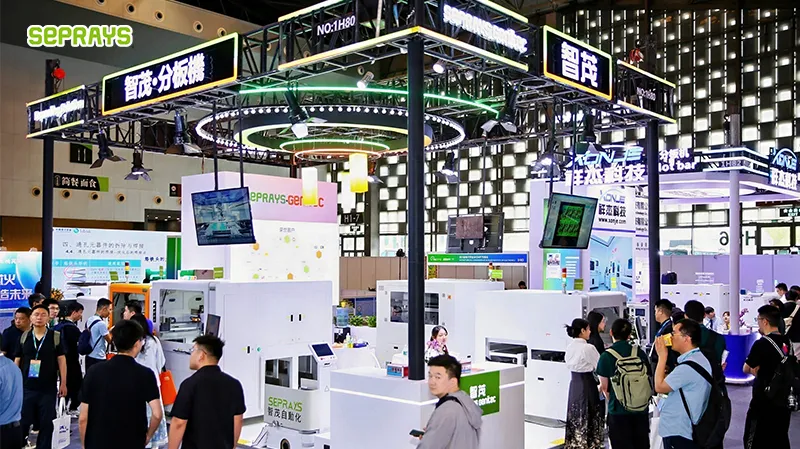
The three-day NEPCON China 2026 has officially come to a close.
As one of the most influential events in the electronics manufacturing industry, the exhibition brings together companies from consumer electronics, automotive electronics, new energy, medical devices, and many other sectors every year.
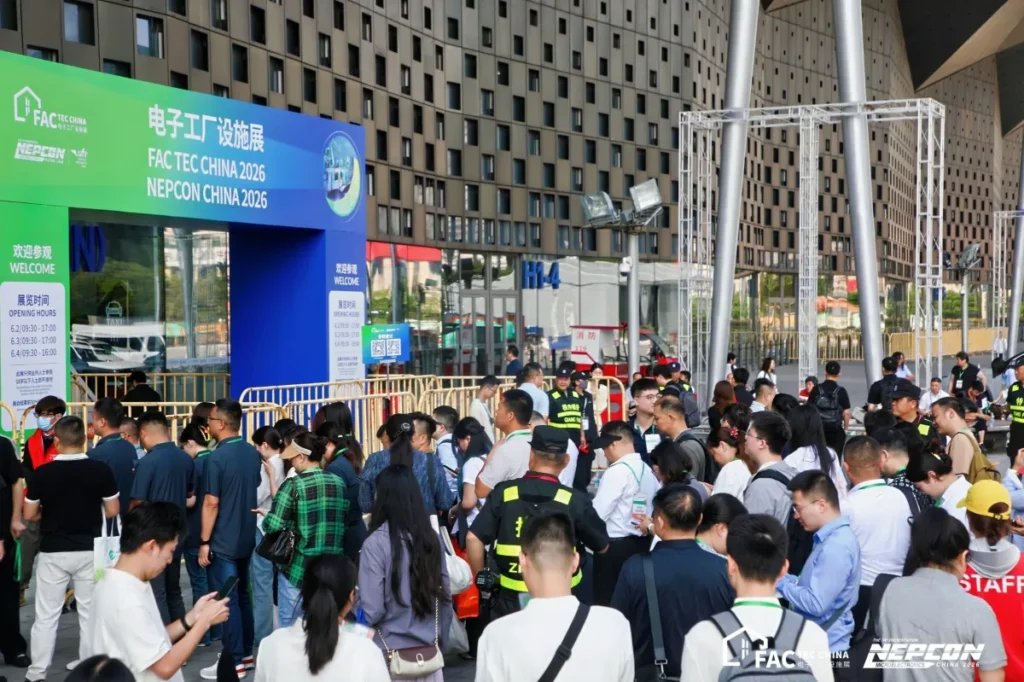
For Seprays, attending the exhibition is about more than showcasing equipment.
More importantly, it is an opportunity to listen to our customers.
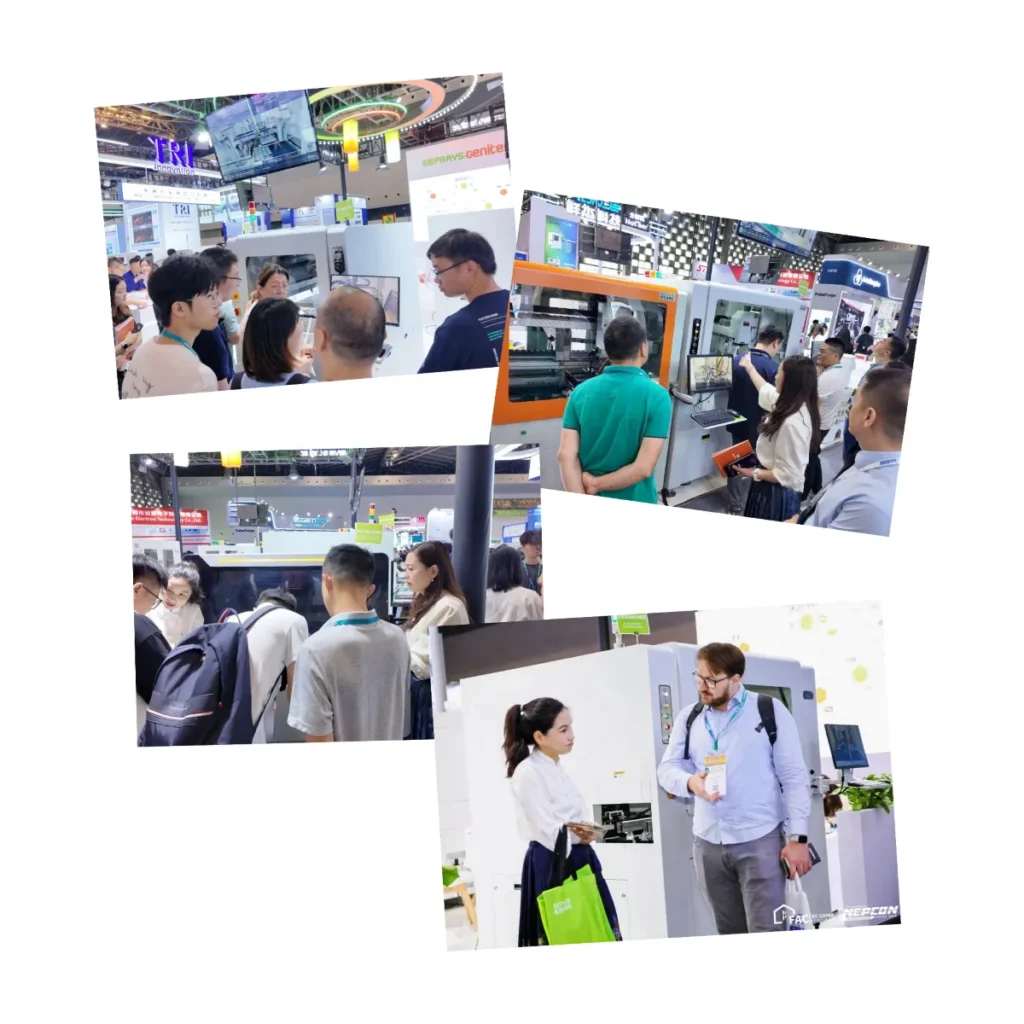
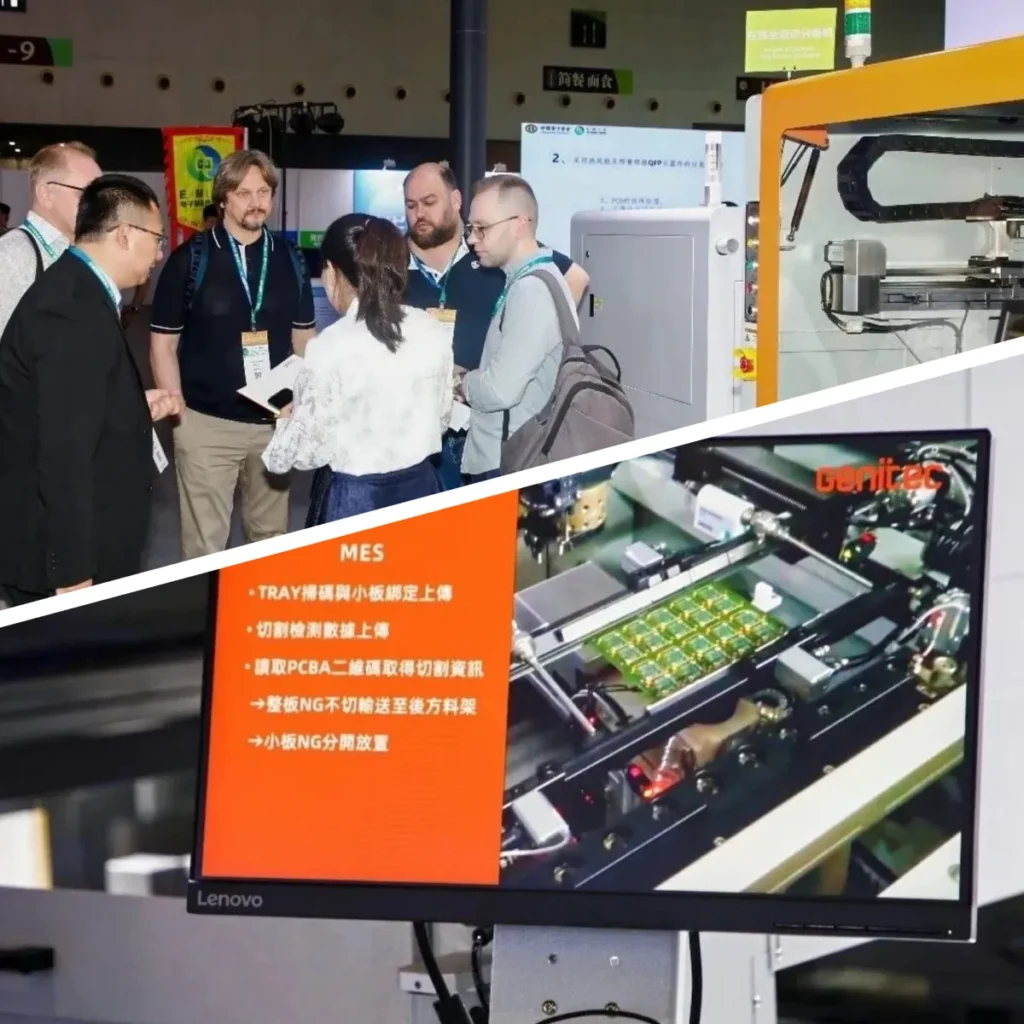
Throughout the event, we welcomed visitors from different countries and regions and had in-depth discussions with engineers, production managers, and business decision-makers.
During these conversations, one thing became increasingly clear:
The PCB depaneling industry is entering a new stage of transformation.
Change 1: Customers Are No Longer Focused Only on Equipment Performance
A few years ago, the most common questions at our booth were:
- What is the cutting accuracy?
- What is the spindle speed?
- How many boards can be processed per day?
These questions are still important.
However, at NEPCON 2026, we noticed a significant shift in customer priorities.
More visitors were asking:
- How can we reduce manual labor?
- How can we improve overall production line efficiency?
- How can we achieve a higher level of automation?
- How can the equipment connect with our MES system?
- How can we reduce total operating costs?
This reflects a major change in mindset.
Companies are no longer purchasing equipment to perform a task.
Instead, they are looking for ways to optimize the entire manufacturing process through automation and intelligent production solutions.
In other words, the focus is shifting from equipment purchasing to system-level solutions.
Automated Production Lines Became a Major Attraction at the Exhibition
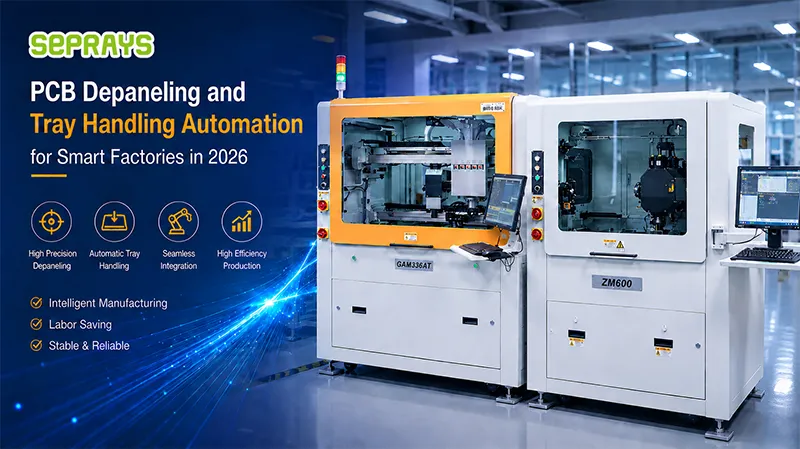
At this year’s exhibition, Seprays demonstrated an automated PCB depaneling and material handling line consisting of:
- GAM336AT In-Line PCB Routing and Sorting Machine
- ZM600 Automatic Sorting and Tray Loading System
- AGV Intelligent Material Transport Solution
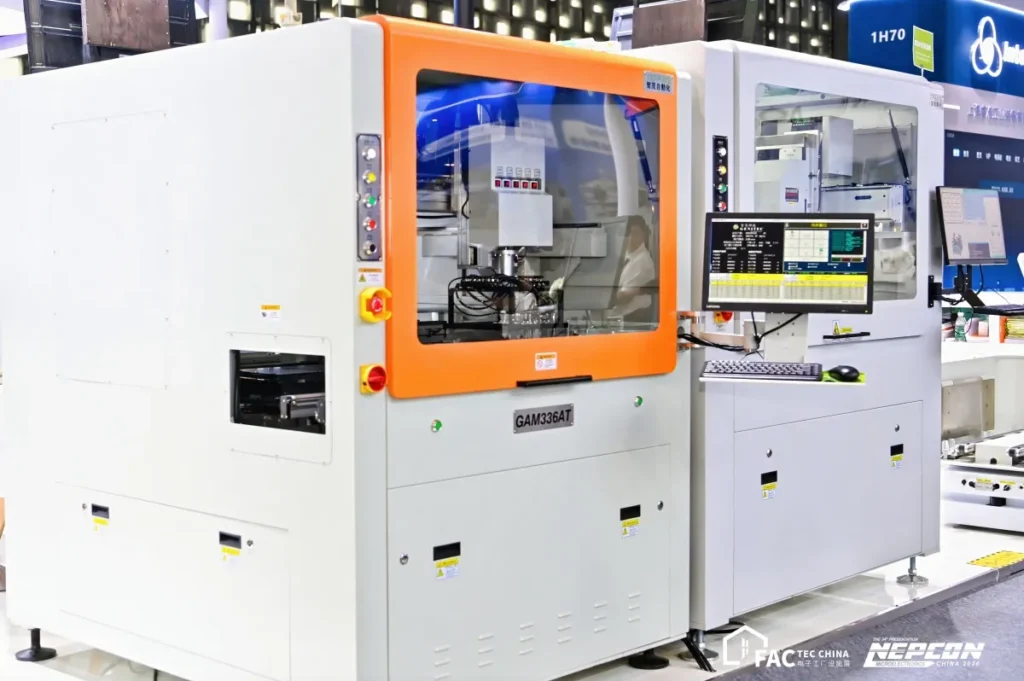
During the live demonstration, PCBs were automatically sorted, loaded into trays, and transported by AGVs without any manual intervention.
The entire workflow operated continuously and seamlessly.
Many visitors spent considerable time observing the system in operation.
Some even returned with colleagues from different departments on multiple days to discuss implementation possibilities.
This clearly reflects an industry trend:
Automation is no longer reserved for large-scale manufacturers.
It is becoming a practical development direction for a growing number of electronics manufacturing companies.
Change 2: Demand for Flexible Manufacturing Is Growing Rapidly
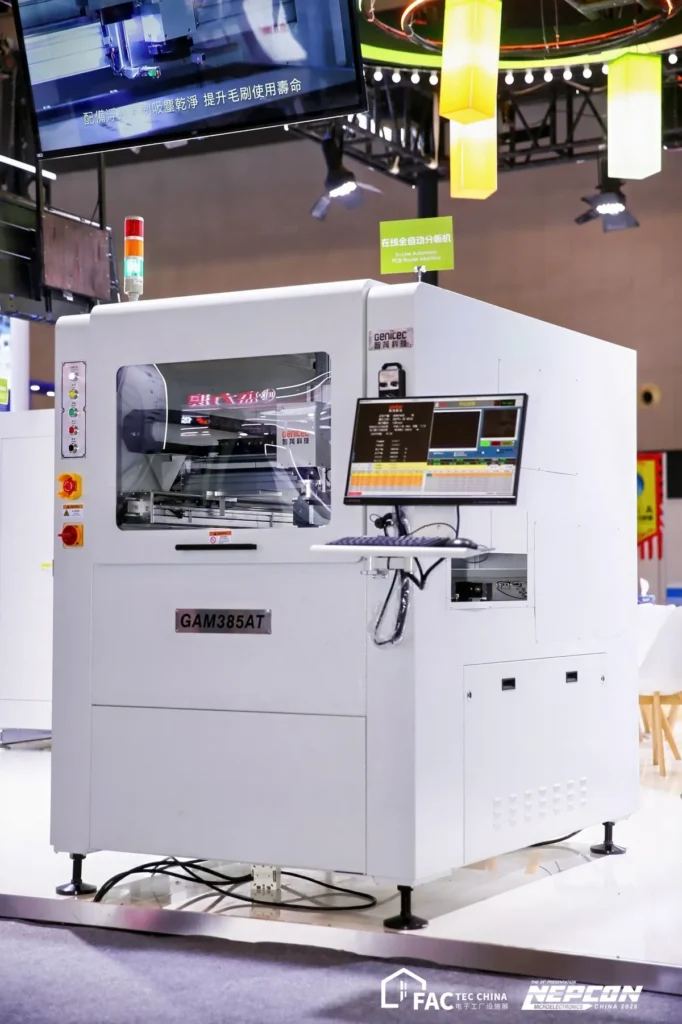
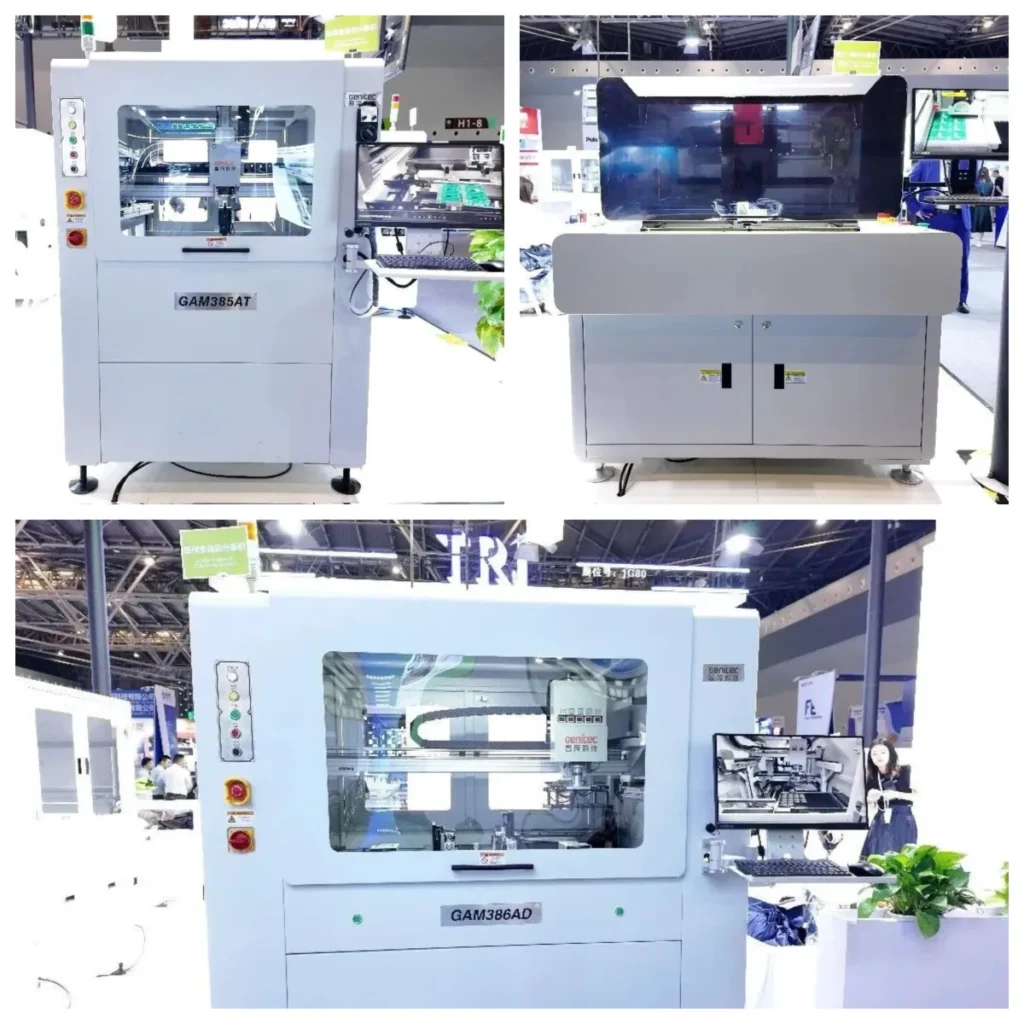
If there was one machine that attracted particularly strong interest during the exhibition, the GAM385AT would certainly be among the most discussed.
The reason is straightforward.
It addresses one of the biggest challenges facing modern manufacturers:
Changeover efficiency.
In the past, high-volume production was the dominant manufacturing model.
Today, more companies are dealing with:
- Small-batch production
- High-mix manufacturing
- Shorter delivery cycles
- Faster product updates
As order structures become increasingly complex, manufacturers need equipment that can adapt quickly to changing production requirements.
The GAM385AT’s fixture-free design directly addresses this challenge.
Without the need for custom tooling or dedicated fixtures, production changeovers can be completed much faster.
Throughout the exhibition, many visitors specifically focused on its rapid changeover capability.
For many factories, reducing setup time often creates more value than improving cycle time by only a few seconds.
This is why flexible manufacturing has become one of the industry’s most important priorities.
Change 3: Cost Reduction and Efficiency Improvement Remain Core Priorities
While industry requirements continue to evolve, one objective remains unchanged:
Improving efficiency while controlling costs.
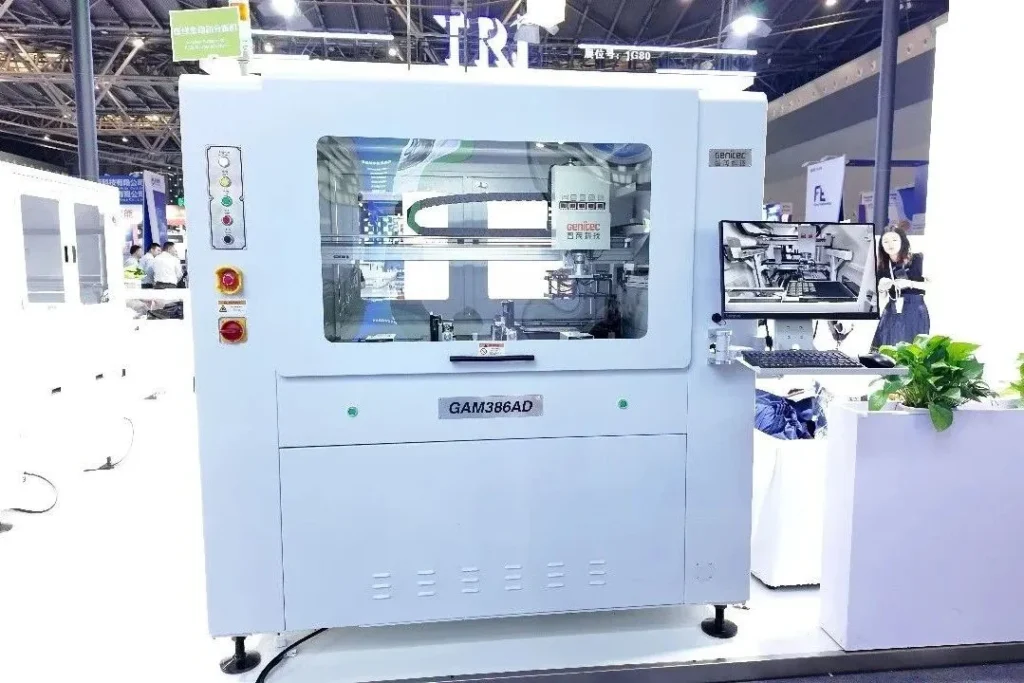
The GAM386AD In-Line Dual-Spindle PCB Router also attracted significant attention during the exhibition, particularly from manufacturers in the consumer electronics and automotive electronics sectors.
Many discussions centered around a common question:
How can production capacity be increased without compromising quality?
The dual-spindle design offers a straightforward answer.
By processing simultaneously with two spindles, manufacturers can achieve:
- Higher throughput
- Shorter cycle times
- Improved equipment utilization
- Increased production efficiency
For manufacturing companies, higher efficiency ultimately translates into lower production costs and stronger market competitiveness.
Regardless of market conditions, cost reduction and efficiency improvement remain key drivers behind investment in automation technologies.
An Unexpected Highlight: Hanfu Became a Conversation Starter
Beyond the equipment demonstrations, the Seprays booth featured another unique element this year.
Our team members appeared at the exhibition wearing traditional Chinese Hanfu.
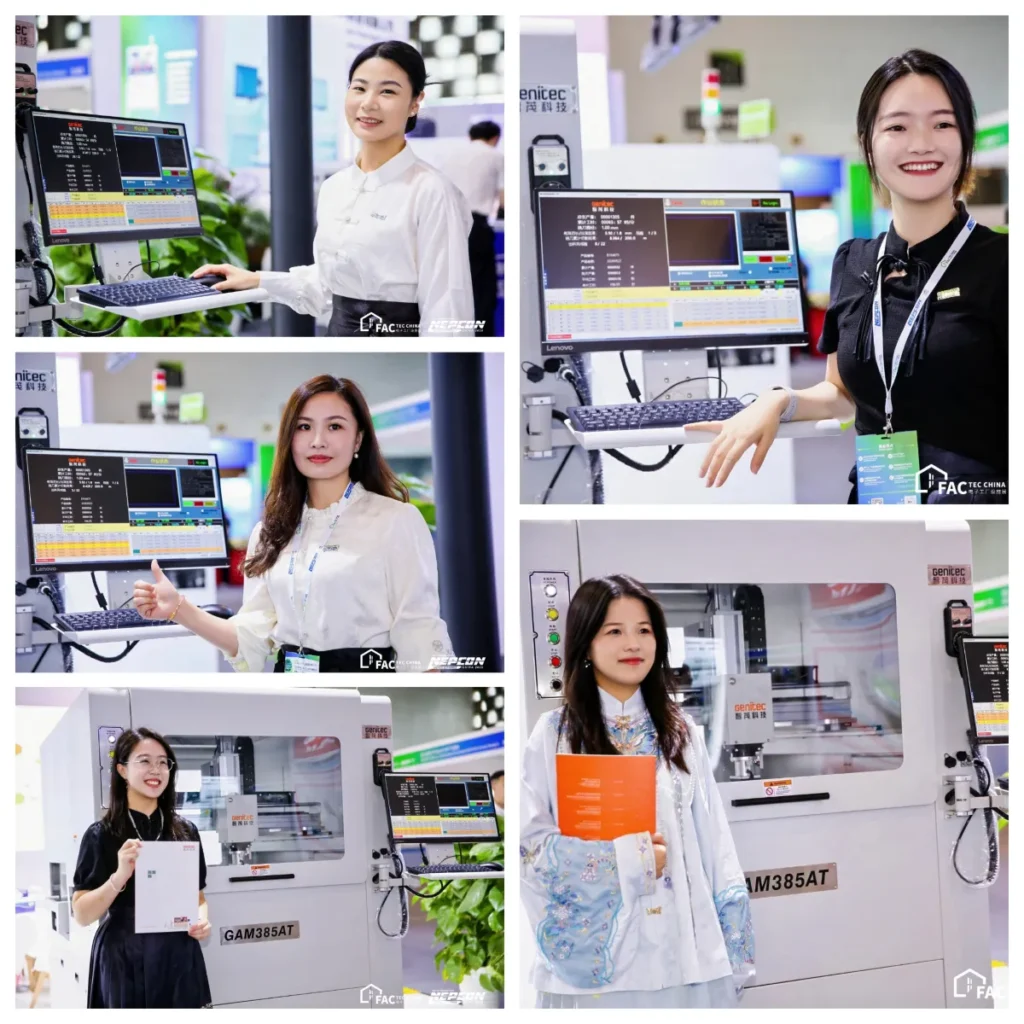
Amid a hall filled with advanced manufacturing technologies and automation equipment, this cultural presentation immediately stood out.
Many visitors stopped to take photos, start conversations, and learn more about Chinese culture.
Several overseas customers even specifically asked about the history and significance of Hanfu.
Originally, our intention was simply to share a small part of Chinese culture with international visitors.
What we did not expect was how much positive engagement it would generate.
The experience reinforced an important belief:
The manufacturing industry requires not only technological innovation but also meaningful brand expression.
As Chinese manufacturing continues to expand globally, cultural confidence can become an important part of how companies connect with the world.
From Standalone Machines to Complete Automation Solutions: What Is Seprays Doing?
Since 1993, Seprays has remained focused on PCB and FPC depaneling technologies.
Over the past three decades, we have witnessed the evolution of the electronics manufacturing industry and supported customers across a wide range of applications.
In recent years, one trend has become increasingly apparent:
Customers are no longer looking for individual machines alone.
They are looking for complete production solutions.
To meet these evolving needs, Seprays continues to expand its product portfolio, including:
- PCB Router Depaneling Machines
- Laser PCB Depaneling Systems
- Automated Tray Handling Solutions
- AGV Material Transport Systems
- Customized Automation Line Planning
Our goal is simple:
To help manufacturers achieve higher productivity, better quality, and smarter production operations.
The Exhibition Has Ended, but the Conversation Continues
Every exhibition comes to an end.
But each one also provides valuable insights into where the industry is heading.
NEPCON China 2026 highlighted three clear trends:
- Automation adoption is accelerating.
- Demand for flexible manufacturing continues to grow.
- Complete production line solutions are receiving greater attention than ever before.
These developments are not merely industry trends.
They are becoming practical requirements for electronics manufacturers worldwide.
Looking ahead, Seprays will continue to focus on innovation in PCB depaneling technologies and provide more intelligent, efficient, and automation-driven solutions for the global electronics manufacturing industry.
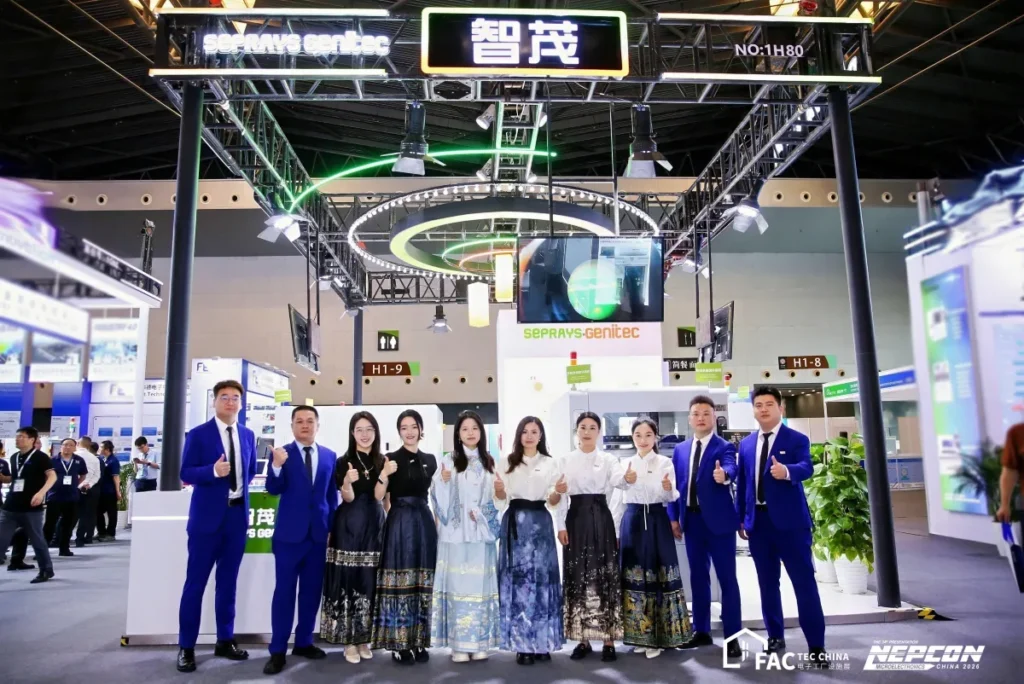
We would like to sincerely thank all new and existing customers, partners, and friends who visited the Seprays booth during NEPCON China 2026.
We look forward to seeing you again at future exhibitions.
If you are exploring PCB depaneling solutions—whether for in-line routing, offline depaneling, laser cutting, or complete automation line planning—our technical team is always ready to discuss your requirements and help identify the best solution for your production needs.
WhatsApp: +8618929266433