.png)
 Spanish
  English
  Japanese
  Korean
  Russian
  Chinese
An offline PCB separator is a vital tool for modern electronics manufacturing.
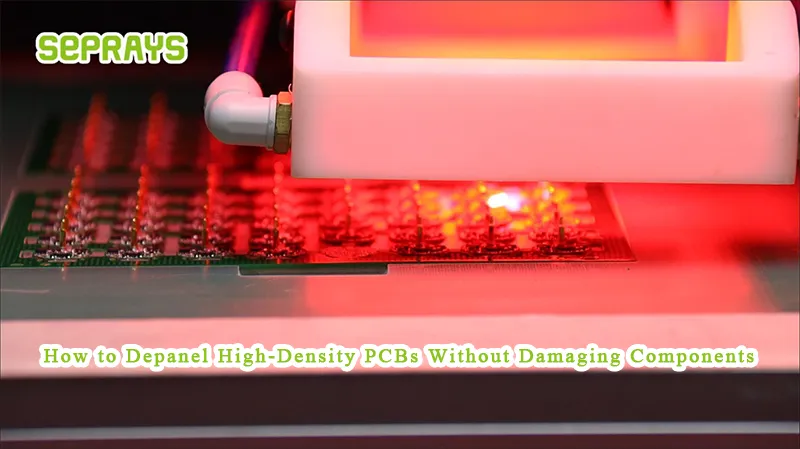
It ensures clean, accurate depaneling of printed circuit boards—without damaging components.
Here’s a clear, step-by-step breakdown of how the process works.
🧱 Step 1: Place the PCB on the Worktable
The first step is to place the full PCB panel onto the machine’s workbench.
This worktable is typically equipped with custom or universal fixtures.
These fixtures accurately secure and align the PCB before cutting begins.
🖥️ Step 2: Set Parameters on the Control Panel
On the machine’s control interface, the operator enters all cutting parameters.
This includes:
- Length and width of the routing path
- Depth of cut
- La velocidad de corte
These settings precisely depanelize the board according to production needs.
⚙️ Step 3: Start the Separator
Once everything is set, the operator starts the machine.
The router spindle moves to the predefined starting point.
The separator then begins automatic operation.
🪚 Step 4: PCB Cutting with High-Speed Router Bit
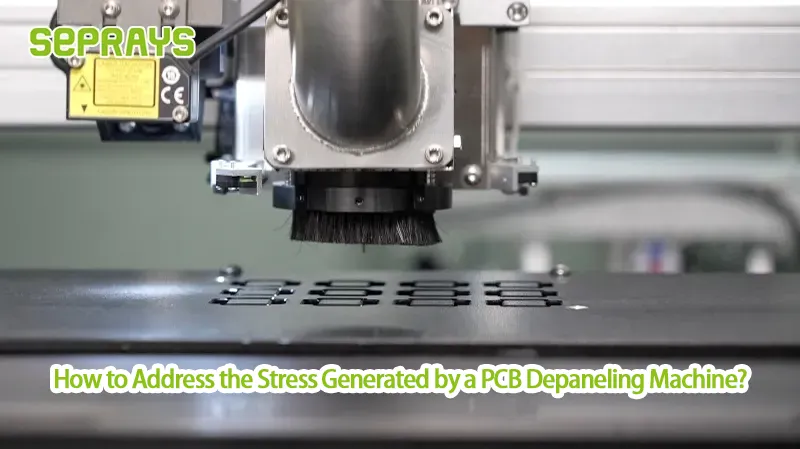
The machine uses a high-speed rotating router bit to cut along the preset path.
It mills the board into smaller sections with high precision.
A servo-driven guide rail system ensures the tool follows the exact path every time.
The routing path can be straight, curved, or follow a complex outline.
🛠️ Smart Features for Better Accuracy
Advanced machines include tool wear compensation.
This feature automatically adjusts cutting parameters based on tool condition.
It helps maintain accuracy and extend tool life.
🌬️ Dust Collection and Safety
During cutting, the router creates dust and noise.
To protect the operator and maintain a clean workspace, the machine is equipped with:
- A dust collection system
- A noise-reduction enclosure
This keeps the environment safe and compliant with health standards.
📦 Step 5: Auto Stop and PCB Unloading
Once the cutting is done, the machine automatically stops.
The system prepares the small, separated PCBs for collection and transfers them to the next process step.
✅ Summary: Efficient and Reliable PCB Depaneling
To recap, the full offline PCB routing process includes:
- Loading the PCB panel
- Setting up cutting parameters
- Starting the machine
- Automatic routing and dust collection
- PCB unloading and handoff to next process
This method ensures fast, clean, and precise depaneling—a must for high-quality production lines.