.png)
 English
  Spanish
  Japanese
  Korean
  Russian
  Chinese
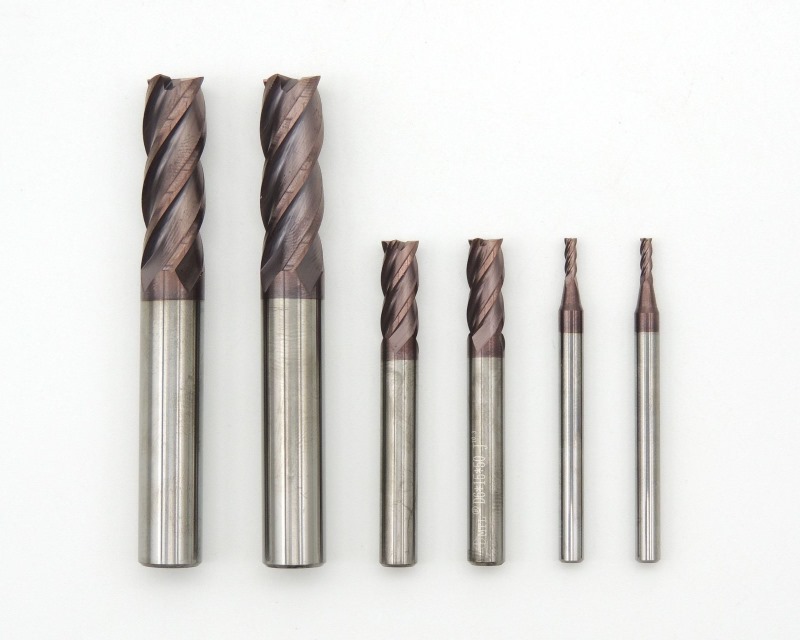
Milling Cutter Life is a topic that every PCB manufacturer—large or small—must take seriously. As factories across Europe, Southeast Asia, and North America continue optimizing PCB routing processes, one lesson repeats itself: longer tool life is not only a cost advantage—it is essential for stable quality, reduced downtime, and predictable production planning.
In this article, we summarize what global manufacturers have learned, based on real factory cases, engineering experience, and field feedback from SMT lines.
🔧 H1: Understanding the Real Pain Points Behind Milling Cutter Life
Most factories initially approach cutter life as a simple “durability” problem. But German and French manufacturing engineers often emphasize a more holistic view:
- Cutters fail because of improper spindle speed or feed rate.
- Tool wear increases when PCB materials vary in hardness or fiber density.
- Incorrect routing paths cause unnecessary heat accumulation.
- Machines with unstable rigidity shorten cutter life significantly.
A common issue reported by factories in France and Italy is that cutters are often replaced earlier than necessary—not because they are fully worn out, but because inconsistent quality makes operators lose confidence in cycle stability.
⚙️ H2: Material–Tool Interaction: What Engineers in Europe Prioritize
German process engineers often start with the PCB material itself:
- FR4 vs High-TG vs RF boards all generate different cutting resistance.
- Boards with dense glass fiber content cause faster edge abrasion.
- Some copper thicknesses create additional tool loading, especially at high routing depths.
European factories also collect long-term data on chip evacuation, something many Asian factories underestimate. Poor dust removal results in:
- Heat accumulation
- Accelerated coating breakdown
- Edge chipping and cutter micro-cracks
This is why routers designed for EU markets often include high-vacuum negative pressure and anti-static filtering systems.
🛠️ H3: How Spindle Speed Directly Affects Cutter Life
Manufacturers worldwide report the same finding:
Spindle speed and feed rate must be matched—not maximized.
Typical lessons learned:
- Running 100,000 rpm is not automatically better than 60,000 rpm.
- A cutter lasts longer when the chip load per tooth is stable.
- A lower speed with a slightly higher feed sometimes reduces heat and wear.
German factories often use “speed windows” defined after analyzing:
- Heat behavior
- Cutter vibration patterns
- Routing torque curves
- PCB thickness and copper layout
This is why German and French buyers prefer machines with precision spindle control (+/-1% RPM stability).
📐 H4: Routing Path Strategy — A Silent Factor That Many Overlook
One of the most shared insights across worldwide manufacturers is that routing paths matter as much as tooling.
Well-optimized routing paths:
- Balance the cutter’s load
- Reduce unnecessary direction changes
- Avoid sudden engagement in copper-dense areas
- Minimize tool heat buildup
- Reduce the number of plunge entries
French factories especially emphasize climb milling vs conventional milling, adjusting strategies depending on board stack-up and copper orientation.
Case Example:
A Southeast Asian EMS improved tool life by 28% simply by adjusting routing entry points and reducing cutter engagement radius.
🧪 H5: Case Study — What a U.S. Automotive PCB Supplier Discovered
A U.S. factory processing thick automotive control boards faced:
- Short cutter life (as low as 30 minutes)
- Excessive dust accumulation
- Poor cut consistency
After analysis, their engineers modified:
- Spindle speed from 80,000 rpm → 65,000 rpm
- Feed rate increased slightly to reduce heat dwell
- Routing optimized to distribute load evenly
- Installed a high-flow dust collector upgrade
Result?
Cutter life increased by 62%, and routing quality stabilized across shifts.
🏭 H6: Hidden Cost Factors Manufacturers Often Overlook
When evaluating milling cutter life, global manufacturers often forget about the surrounding operational costs:
- Machine downtime for tool replacement
- Calibration offsets after each cutter change
- Scrap and rework caused by last-cycle tool wear
- Labor time required to monitor tool condition
German factories frequently estimate the “true cost per panel,” not the “cost per cutter.”
This broader view often reveals that a stable, high-precision router saves far more money than cheaper machines that consume tools quickly.
🔍 H7: Engineering-Driven Solutions to Extend Cutter Life
Based on worldwide factory experience, the following solutions consistently show results:
- Use balanced spindles with low runout (<2 μm).
- Implement dynamic routing path optimization.
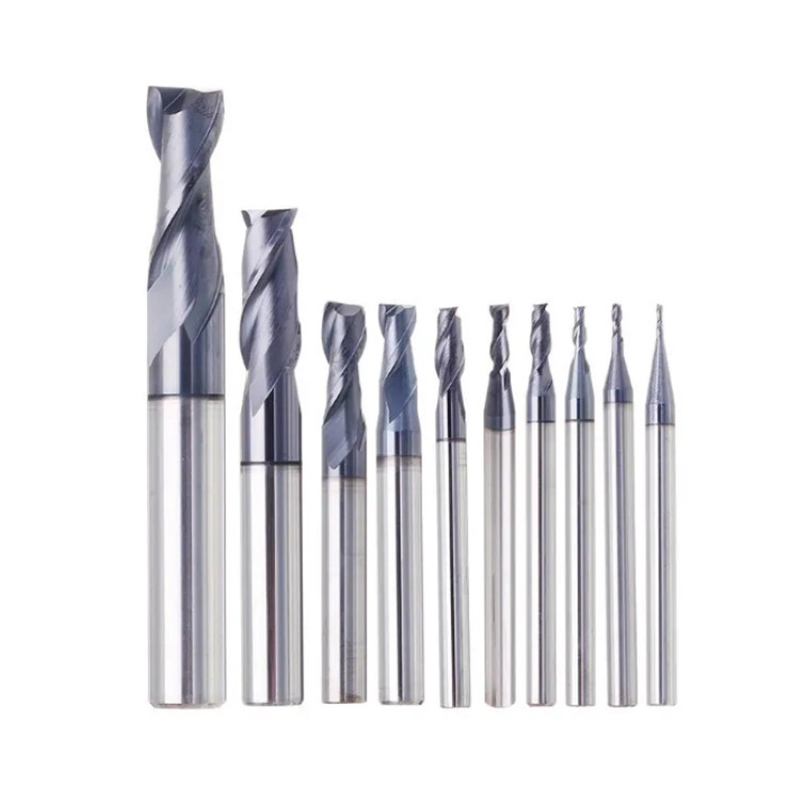
- Choose cutters with micro-grain carbide and DLC coating.
- Maintain stable vacuum extraction and anti-static measures.
- Use minimum-stress clamping or non-contact fixtures.
- Ensure servo rigidity of X/Y axes during high-speed movement.
These steps typically improve milling cutter life by 20–70%, depending on the original setup.
🌟 Why Choose Seprays Group?
Seprays specializes in precision PCB milling, advanced automation, and tool-life-optimized router design.
Our machines are engineered for long-term durability, stable European-level quality, and reduced operational cost.
If you need assistance evaluating your current cutter performance—or want to explore upgrade options—feel free to contact us anytime.
WhatsApp: +8618929266433
E-mail: sales@seprays.com